Unfortunately, the lactation world often creates problems where they don’t exist (with mom, baby, or both), and then social media or continued misguided advice worsens this.
A great example is the extreme focus on the “letdown” or “milk ejection reflex” (MER). This is the process whereby milk starts flowing more rapidly when a mom’s nipple is stimulated. But some people never feel this. Some people feel it with nursing, but struggle with pumping (with increasing levels of anxiety and stress the more they focus on it).
And then they start down a path (fueled by the misinformation that this is a “problem”) of trying to figure out what is wrong with them, their pump, their baby — you name it. They get all kinds of “magic bullet” advice like oxytocin nasal spray (expensive in the US, and all it does is produce down regulation of your own body’s receptors).
There’s even misinformation out there that the Covid virus impacts letdown. Covid makes people feel sick, stressed, exhausted, and worried about their babies getting sick. This worry and anxiety is what impacts the letdown — not the virus itself.
I recently had a patient with tons of milk and a very well-fed baby. She never had any issues pumping at work with her first baby (a time when she had far less stress in her life in general, pre-pandemic). But with second baby, she was having worsening ability to pump any volume at all.
We discussed the performance anxiety aspect of the “letdown.” Just like “choking” in sports (for example, missing a basket during a critical juncture in a basketball game when you have no problem with it during practice sessions), difficulty with orgasm during sex, or erectile dysfunction in young healthy men who don’t have blood flow problems like older men, the more she focused on the “letdown,” the less she was ever going to be able to “feel it.”
She laughed and said, “My husband said the same thing. He said I just needed to have sex and have an orgasm. And sure enough, I pumped 8 ounces after that no problem!”
My colleague Genevieve Thomas, a lactation consultant at UCLA, says she tells patients to stop using all of the expensive breast massagers on their breasts (it isn’t an organ that is meant to be massaged!), but what they do with the massager otherwise is up to them ……….. Enough said.
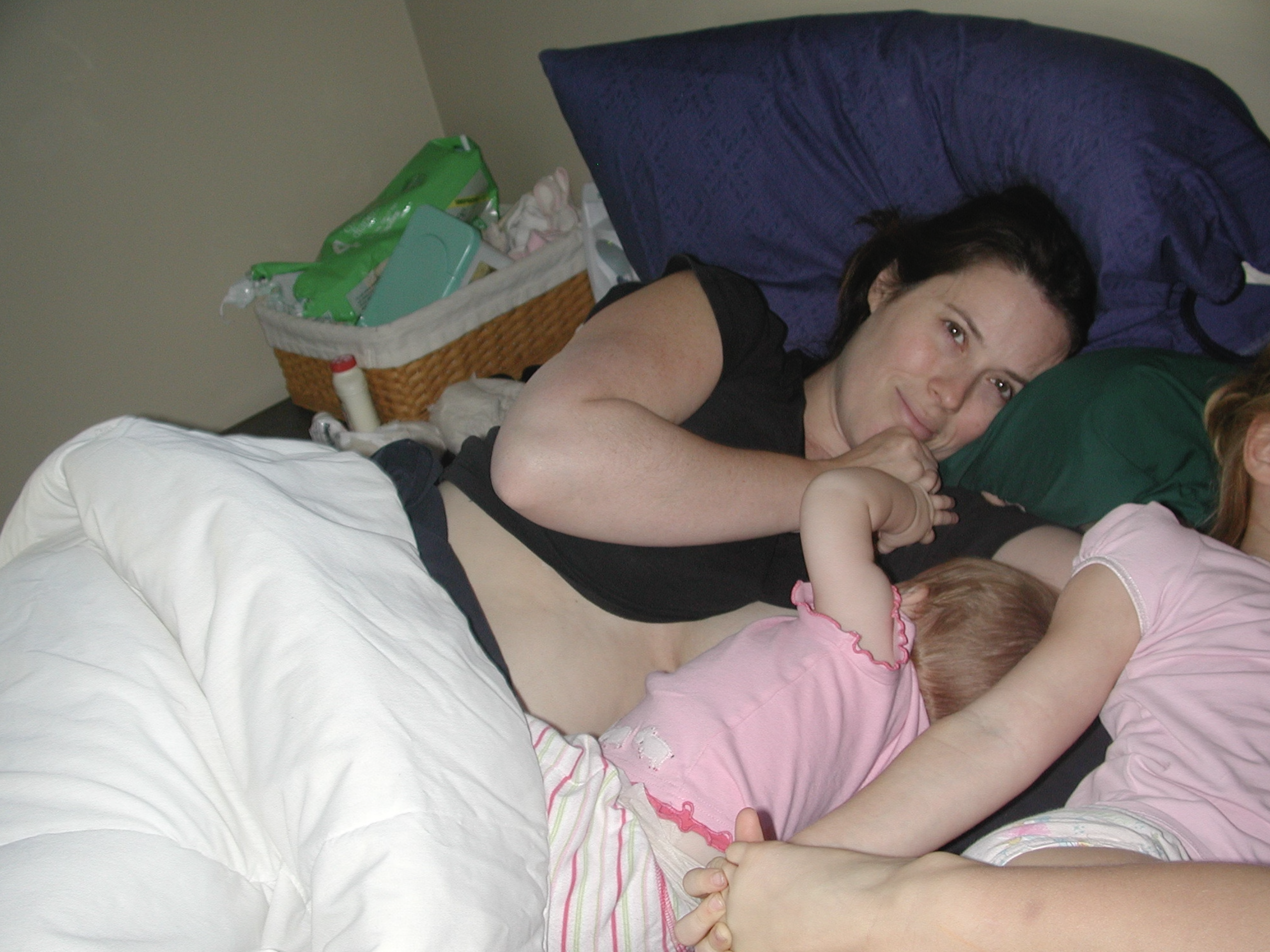 Genevieve with her babes (who are now grown!)
Enjoy an orgasm, glass of wine, yoga, a good run, a Netflix binge, favorite takeout food, or whatever makes you happy. You have worked hard enough as a mom and you deserve all the self-care in the world.And if you’re worried about not producing enough milk for your baby when you’re at work, reach out for help. Physicians and other healthcare providers can help with disability paperwork and other ways to protect breastfeeding your baby. And you very well may have plenty of milk, but your baby’s daycare is making you think you don’t (breastmilk feeding is world’s different from formula feeding).
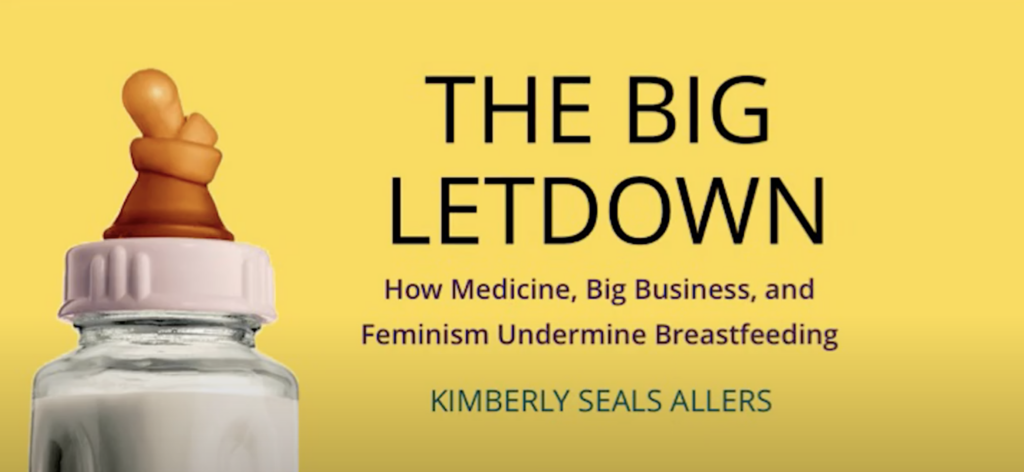
As Kimberly Sears-Allers says, we shouldn’t be celebrating free pumps — we should be advocating for adequate paid leave so we don’t have the need for a pump in the first place.