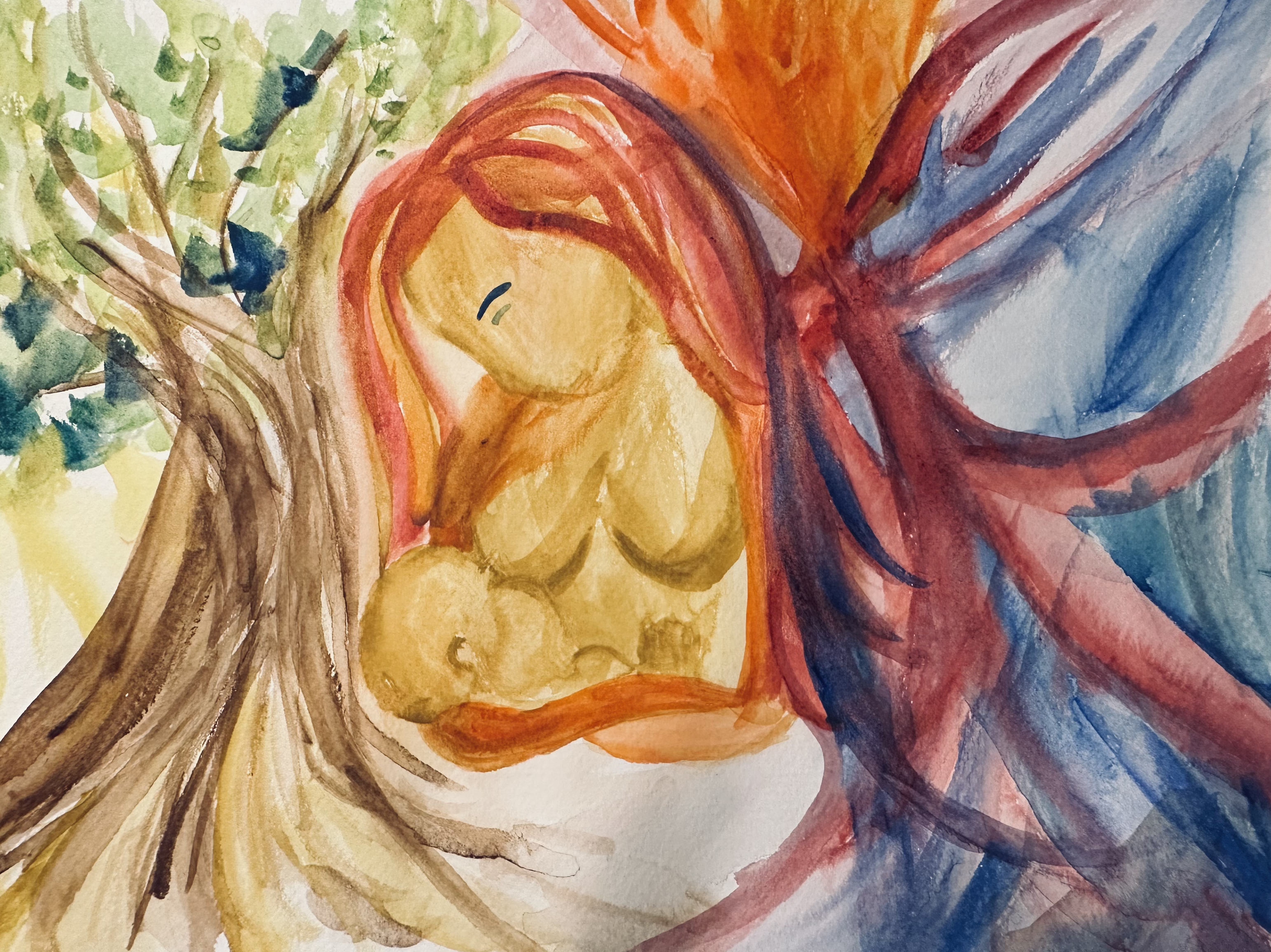
“DMER (Dysphoric Milk Ejection Reflex) is a condition that generally makes breastfeeding and pumping feel various degrees of terrible. It is often described as a variety of physical and emotional symptoms — an “icky” feeling, as one patient said. It is an extremely wide-ranging experience for different moms.
One mom described it to me as a “river or roller coaster,” where a wave of countless emotions would hit all at once. Her mind and body became so distracted by this and the pain that she couldn’t focus on anything else, even a basic question from her husband, until the symptoms passed. There wasn’t one discrete feeling — it was a “roller coaster” of them.
Jenny Tucker, a former Santa Barbara, CA mom and founder of a perinatal support group, Centerline, wrote an incredibly descriptive blog post about her experience with DMER.
It is a myth that moms just “have to get through” or “ignore” their feelings or “distract” from them. It’s biochemical. Just like you can’t treat high blood pressure by hoping you didn’t have it — you can’t just wish DMER away if you’re suffering from it. With appropriate treatment, it can go completely away.
I am looking back at patient symptoms over the years to argue for a reclassification of the term “DMER.” There is “classic DMER” and there is “nerve pain only” (neuropathic pain) and there is overlap. All of it is related in some way to nipple stimulation and represents some crossed signals at a nerve/receptor/hormone/blood flow level.
 Rachel Yang MD, IBCLC
Symptoms are below:
Classic DMER
“Icky.”
“I want to crawl out of my skin”
“I feel this intense anxiety when I put the baby to my breast.”
“It is like a river or roller coaster of so many different emotions I can’t describe as one thing — like a rush of them all. Sadness, anxious about something, but many others.”
“It is a strange feeling like homesickness.”
“It is a a really bad feeling of sadness.”
“I will be walking around and have a weird sensation of gloom and doom, and then I have a random letdown and I say, ‘ugh, there it is again.'”
“I want to throw up.”
“I have some vague nausea.”
“I have that feeling in the back of my throat like I’m going to throw up.”
“It’s an overwhelming feeling of sadness and something really bad happened — like someone died. Or like you were in love with someone and they broke up with you and you were heartbroken.”
Pain Alone
“The breast pain is absolutely excruciating and debilitating.”
“The pain is definitely far worse overnight.”
“My nipples just feel very bruised.”
“It feels like someone cut my nipples with a razor and then poured lemon juice on them.”
“It’s like sandpaper is being rubbed across my nipples constantly.”
“Like battery acid being poured on a nipple.”
“Dry ice held on my nipple.”
“Like a hot poker being stabbed into the nipple and through the breast.”
“It feels like a pit bull bit my nipple and twisted it all around.”
“Excruciating pain with latch and electric shocks and zaps throughout my breast. I call it the ‘afterburn.'”
“Like a scratchy cat tongue over and over again on my nipple.”
“Worst pain of my life, worse than childbirth.”
“Like pliers being clamped onto my nipple.”
“I have to wear a bathing suit in the shower because even the shower droplets touching my nipples is excruciating.”
“Nothing can touch my nipples. Even clothes or a light brushing against my nipples or the shower water causes intense pain.”
“I get an extremely intense pain when the baby latches and then I feel the nipple being pulled and tugged on and this feeling gets worse throughout the feed — I just want the nursing session to be done and it feels like I am holding my breath until it is over.”
“It feels like the baby is gnawing or chewing on my nipple.”
“I feel this weird shooting pain throughout my entire body.”
“Even after I finish feeding, I feel shocks and electric bolts in my breast and nipples.”
“It’s still there, but not as bad when I pump.”
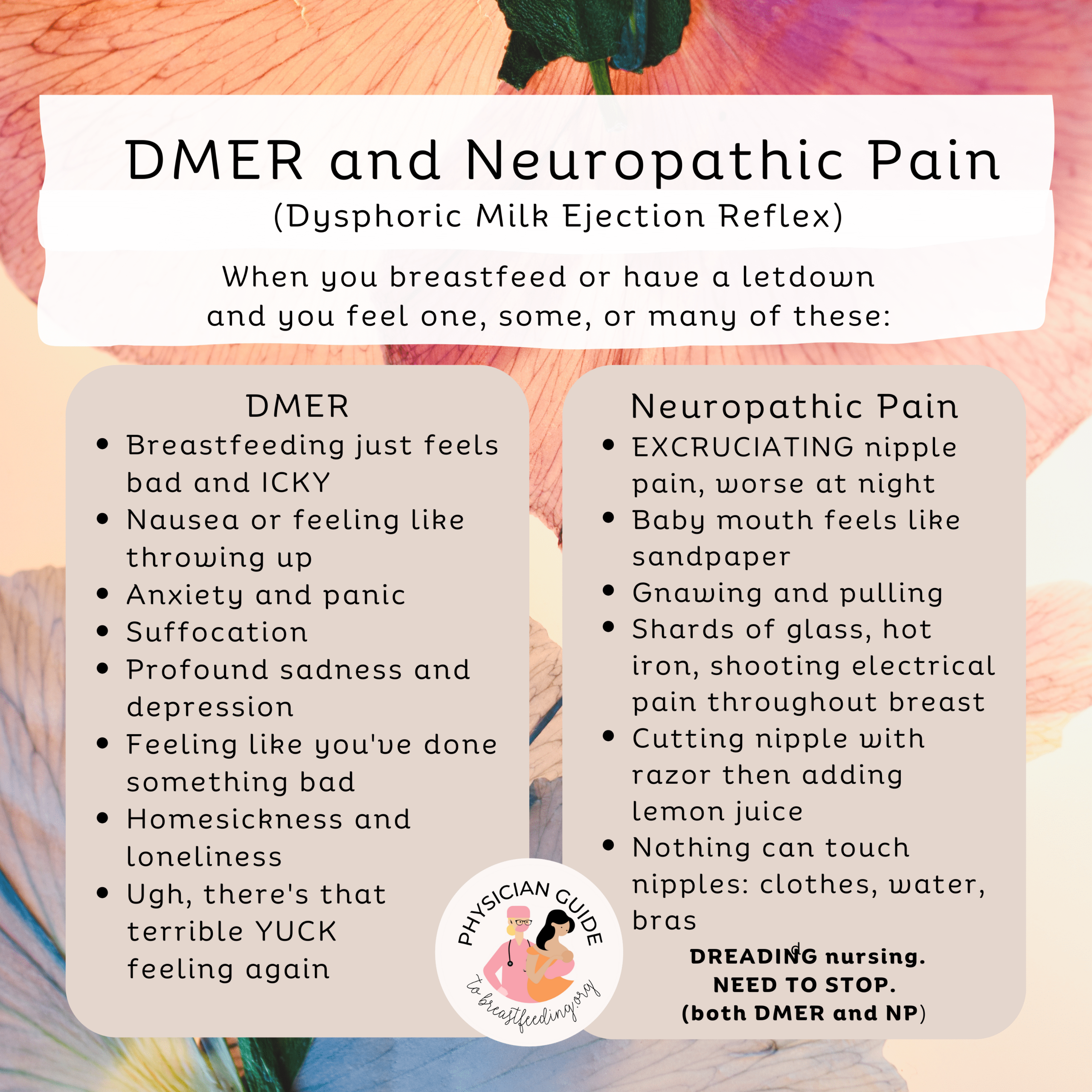
No matter what constellation of symptoms individual patients have, they all tend to dread breastfeeding and need to avoid any kind of nipple stimulation (even clothes brushing against nipples or water in the shower).
They also often have extreme, almost suffocating discomfort when the breast is very full and they feel the need to relieve the “pressure” more so than other people.
Many moms will turn to exclusive pumping (which has less direct nipple stimulation/touching than a baby feeding) and so frequently wean when the pain and/or bad feelings are unrelenting and nothing makes them better.
DMER and neuropathic nipple pain are unfortunately poorly understood. It could involve (as one component) alterations in the oxytocin receptor, which normally makes people feed pleasure and calm when it is activated. It very likely also relates to serotonin and potentially inflammation or blood flow changes in the nipple, as these conditions resolve very nicely with SSRI medication (see below).
In stressful situations, oxytocin serves to protect our body from becoming overwhelmed. For example, moms may have a letdown during a stressful meeting at work. It is their body’s way of trying to release relaxing feelings into mom’s tense body. But for moms with DMER, this protective mechanism is lost and any stimulation that stimulates oxytocin makes them feel bad instead.
The good news is that DMER IS TREATABLE. Most commonly, we use the SSRI (selective serotonin reuptake inhibitor) class of drugs. These may be effective due to the overlapping serotonin, prolactin, and oxytocin receptors in the breast and brain. Sometimes, one SSRI may not be the right fit for a patient, and we need to change or increase dosage. But the goal is to treat DMER to remission so mom can enjoy breastfeeding and baby without dreading the next feed or pump.
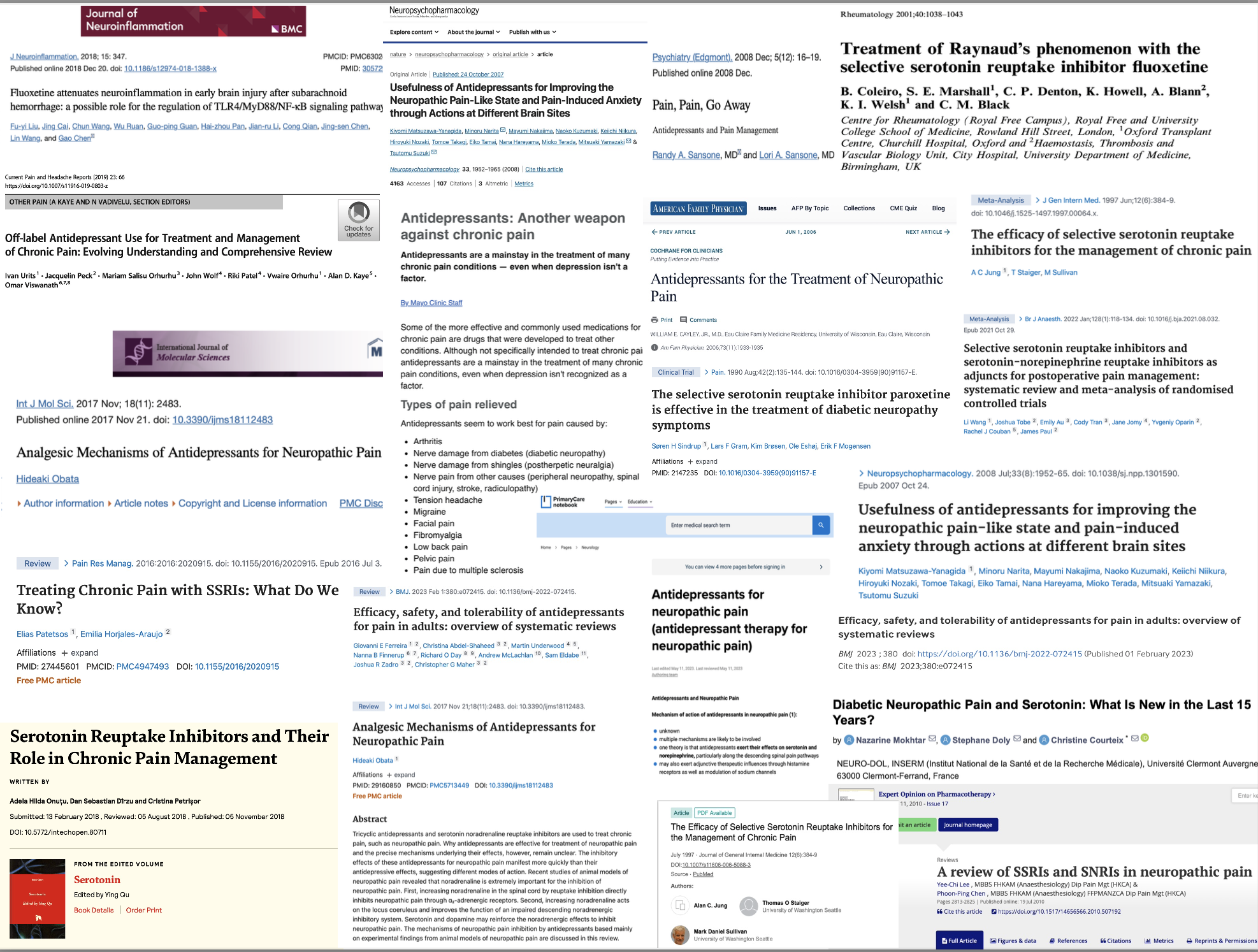
We have been using the SSRI and SNRI class of drugs for years to treat pain, and it’s extremely effective. This article also describes the use of fluoextine (Prozac) for treatment of Raynaud’s (a condition that affects blood flow in the fingers and causes pain).
This slide is an example of the innumerable ways we use SSRI for pain in various parts of the body, including DMER: