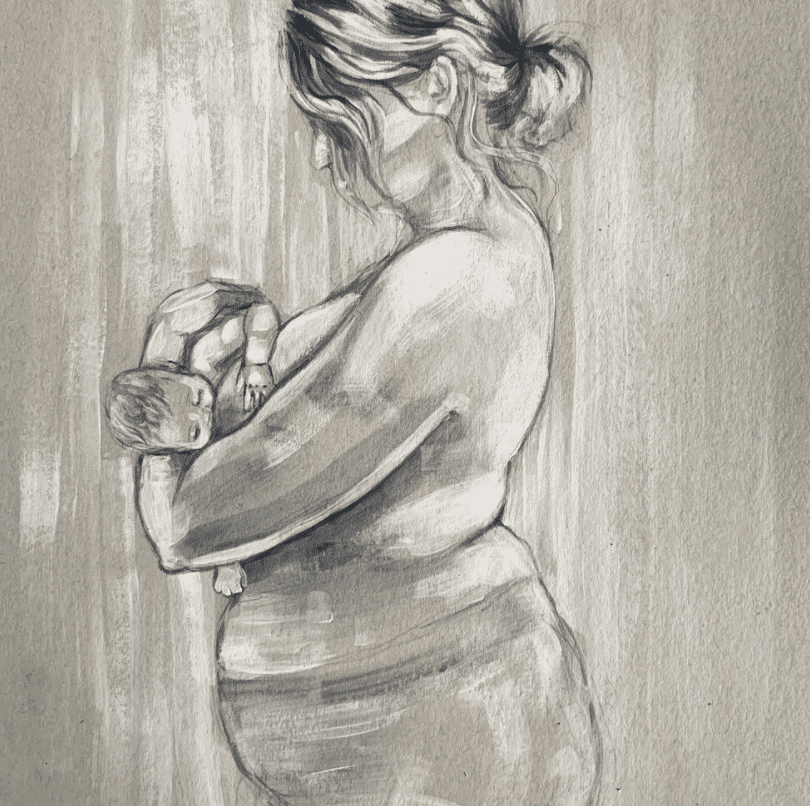
While you are forever changed after becoming a mom, the early postpartum days are an absolute whirlwind and fog both physically and emotionally. There are a few physical and mental health issues that I find are not always openly discussed, but occur almost universally. If possible, I like to prepare prenatal patients for these changes as well as validate the concerns of postpartum moms who already are experiencing them. New 4th Trimester projects are creating more open dialogue about caring for women during this vulnerable time period.

Walking After Birth
There are several bodily function changes that that may be surprising to moms postpartum. If you’ve had a vaginal birth, it may be very difficult to walk normally for a week or more. This is due to the swelling in the vaginal area as well as repair of lacerations (tears) from birth, and can be helped considerably by frequent ice, ibuprofen, and Tylenol. If you’ve had a c-section birth, you will have a surgical incision to heal and also may be in pain and need to protect the incision from too much strain.
Still Looking Pregnant
Because of the chronic stretching of your abdominal muscles and connective tissue, you will still “look” pregnant for several weeks or more after giving birth. Gradually, your muscles regain their “memory” and strength, but your tummy won’t ever look 100% like it did before pregnancy! If you have persistent laxity (weakness) in your abdomen or a true rectus diastasis, you can be referred to physical therapy for strengthening exercises. But remember, you have been through nine months of growing another human and the life and physically altering experience of birth. A celebration of postpartum strength and beauty is at the 4th Trimester Bodies Project.
Pooping After Childbirth
Whether you have had a vaginal or c-section birth, you want to make sure you are not straining AT ALL with stools. Straining will put pressure on the c-section incision. Straining can affect the healing of vaginal tear repair. Your pelvic floor musculature is very fragile after birth, and you want to put as little stress on it as possible. You may be giving a stool softener like colace and/or a laxative like senna. I recommend patients use something much stronger – magnesium supplements if they have had no pain medication, and Miralax if they have had pain medication. In addition, odansetron (Zofran), used as anti-nausea medication, can cause additional significant constipation.
Vaginal Dryness and Night Sweats During Lactation
Because your estrogen and progesterone levels are naturally low during lactation, it is very common to experience symptoms of vaginal dryness and night sweats. Vaginal dryness may present itself as pain during sex, itching, general pain, and urinary symptoms. The vaginal ring (inserted for three months at a time) or estrogen cream can be very helpful for easing these symptoms. Vaginal estrogen is safe with lactation (also safe for cancer survivors, as there is no significant systemic absorption).

Persistent Pelvic Pain and/or Incontinence
If pelvic pain does not resolve after the initial few weeks postpartum, and/or you notice incontinence (difficulty holding urine and/or bowel movements), you should seek evaluation with your healthcare provider. Pelvic physical therapy and other medical and/or surgical interventions can help. A great resource for pelvic health in Santa Barbara is the bladderboutique.com. Dar a Luz, a birthing center in New Mexico, also has a great blog post on the topic of pelvic health.
Sex Postpartum
Relationships with partners, family members, and friends change drastically after birth. While some of the changes reflect normal transition, it is important to seek professional support for persistent challenges. Depression and anxiety doesn’t just affect moms in the postpartum period. It can affect anyone involved in the family unit. Postpartum depression most often presents as an “agitated depression” and suffering moms, partners, or other family members may find themselves “on edge” or “lashing out” and crying in ways they never had before having a baby. A book by Karen Kleiman called What About Us addresses this topic in detail.
Relationships can also be impacted by hormonal changes and how this affects sex. Vaginal estrogen, as described above, can reduce pain during sex. Vaginal lubricants (Uber Lube is very popular as a non-irritating product) also are recommended by pelvic floor therapists and ob/gyns. Ohnut, which I learned about from Liz O’Riordan, a breast surgeon and breast cancer survivor, limits the depth of penile penetration in the vagina. Vibrators may also help stimulate clitoral arousal during the low-estrogen state of the postpartum time.
Good Moms have Scary Thoughts
Your brain permanently changes after pregnancy and having a baby. Karen Kleiman’s book on this topic is an excellent exploration of “scary thoughts” and other ideas that present themselves in a new mom’s brain. These thoughts can range anywhere from excessive internet searching to feeling scared you will put your baby in a microwave or push the baby down the stairs. This book and others listed on the Reading List page provide information about getting help with perinatal mood and anxiety disorders.