






At six months, babies will start to take complementary foods (solids). This begins the process of weaning (the introduction of other nutrition aside from breastmilk) that may go on for years. The food at this stage is less nutritive and more explorative. Different tastes and textures are important for the baby. Baby led weaning, or the idea that babies feed themselves at their own pace with a selection of food offered to them, makes the introduction of solids very easy. Babies eat when adults are eating, and what adults are eating (with the exception of choking hazards such as whole nuts).
A baby will enjoy sticking her fingers into a bowel of steel cut oatmeal, feeling the texture, and feeding herself. Likewise, she will enjoy varied experiences with avocados, bananas, sweet potatoes, broccoli, and strawberries (just to name a few) that may be part of your meals or snacks.
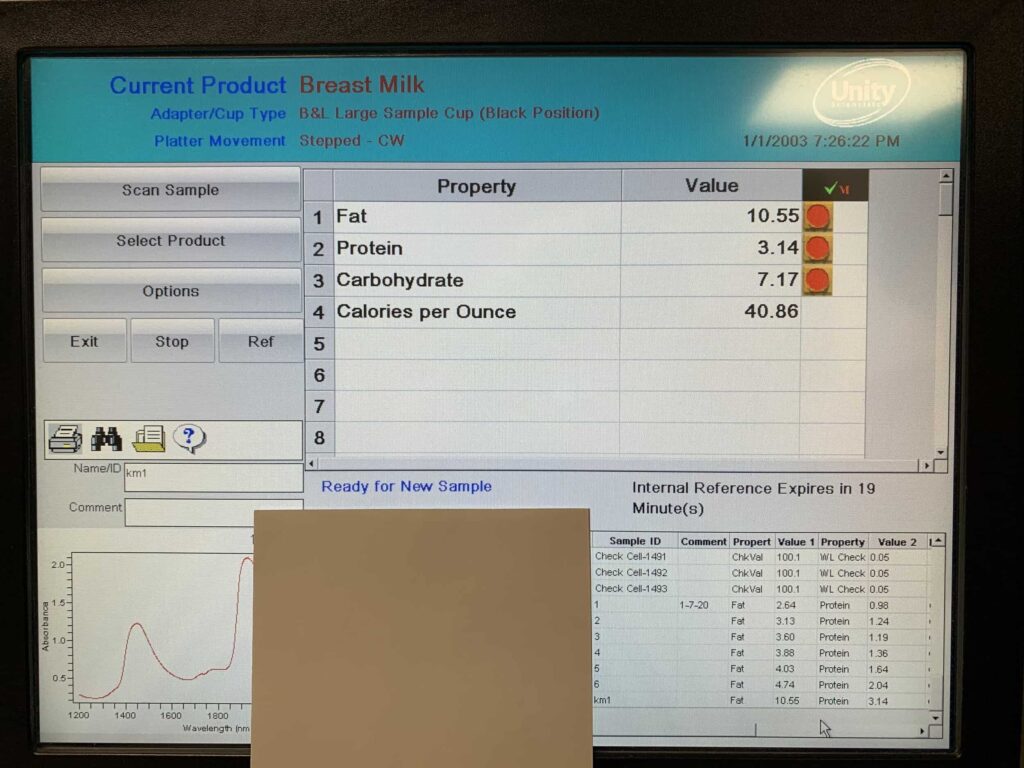
Breastmilk volume will gradually decrease over time, and this is normal if your baby is growing normally. Unlike formula, breastmilk will increase its caloric content as its volume decreases. Formula feeding, which has a fixed caloric content, will require less volume with young babies and then much more volume with older babies (a combination of fixed caloric content and stomachs that have become larger in formula feeding).
Breastfeeding is extremely well established at six months of age, when infants start solids. Whereas formula volume is always measured, nursing at the breast on demand cannot be measured and formula feeding recommendations cannot be applied to breastfeeding. Moms will naturally pump less milk six months and beyond. This is normal. The breastmilk is more calorically dense than just after birth. Infants can still receive pumped milk, start water, and breastfeed on demand when mom is home from work and on the weekends.
Unless an infant has fallen considerably on the growth curve and failed to meet developmental milestones, there is no indication for initiating formula in the setting of these natural phenomena. Breastfed infants may crawl and walk earlier than formula fed infants, and therefore burn more calorie than their peers. All of these factors should be taken into account when assessing growth and development.
Further, there is no such thing as “hindmilk” and “foremilk” imbalance as a source of inappropriate growth in babies. Infants that truly are taking adequate volume need to be investigated for other causes of low weight gain such as increased metabolic demand (e.g. unrecognized congenital heart disease). On very rough average (again, volume is related to individual variation of mom’s milk and time postpartum) newborns need approximately 2-3 ounces every 2-3 hours. For older breastfed babies, this volume can vary from 2-5 ounces depending on duration between feeds.
Moms who were used to feeding newborns at 2-3 hour intervals and then struggle with distracted 3-5 month olds will have further changes to the “schedule” at six months. Babies continue to become more and more engaged with the world. Breastfeeding may become more comfort oriented. Babies may increase their nursing at times of stress (e.g. a move) or with illness (e.g. upper respiratory illness from daycare). Maintaining a breastfeeding “schedule” is impossible at this point and it is important to not force an exploring older baby to feed like a newborn.
The return of ovulation and menstrual cycles remains highly variable. However, it is more likely to return after six months than before six months if a mom is exclusively breastfeeding. This is normal. Production may drop the week before bleeding and then rebound thereafter. Moms may notice decreased pump volumes or softer breasts during this time. Remember, you can’t go wrong feeding the baby on demand at the breast. You may pump less but your body will always make milk as the baby is suckling.
Read more about getting your period while breastfeeding.
Generally, infants refusing the breast or self-weaning prior to one year is related to a significant drop in flow with mom’s milk. This can be multifactorial, with common drops in production related to sleep training, menstrual cycle returning, not feeding on demand, being away for extended periods of time and not pumping regularly. An infant that has been “trained” from an early age to not seek the breast for comfort is generally at highest risk for self-weaning, as “comfort feeding” becomes the mainstay as infants near a year and beyond.
Sometimes moms think their babies have just started biting when they get teeth. However, it’s often that moms just start to notice and perceive the biting effect when the teeth erupt. Often, the infants have been clamping against a fast flow of milk, or frustrated with a slow flow and clamping. Or they are developmentally appropriately distracted, nursing and pulling away from the breast to look at the world around them.
Mom’s milk flow should be examined, and babies who are biting or clamping should be fed at times of minimal distraction (nighttime, naps). If they continue to bite, they should be removed from the breast and repositioned.
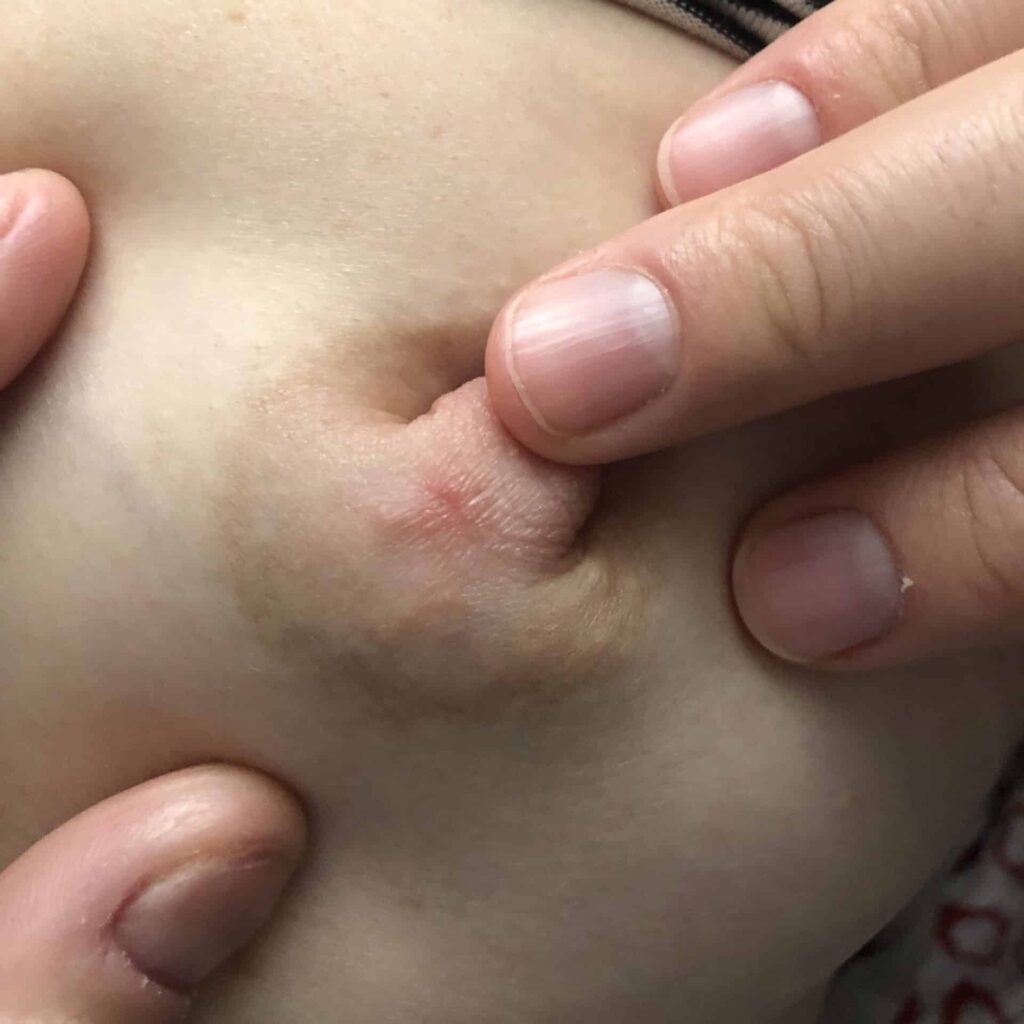
You do not need antibiotics for an infant bite wound on the nipple. This is different from an adult bite wound, as adult mouths house more problematic bacteria compared with babies. Infant mouths are harmless. Skin breaks and wounds on the nipple are very common, particularly early postpartum; if every woman needed antibiotics to prevent infection in this situation, we would not have survived human evolution!
Complete Topic List
| Cookie | Duration | Description |
|---|---|---|
| cookielawinfo-checkbox-analytics | 11 months | This cookie is set by GDPR Cookie Consent plugin. The cookie is used to store the user consent for the cookies in the category "Analytics". |
| cookielawinfo-checkbox-functional | 11 months | The cookie is set by GDPR cookie consent to record the user consent for the cookies in the category "Functional". |
| cookielawinfo-checkbox-necessary | 11 months | This cookie is set by GDPR Cookie Consent plugin. The cookies is used to store the user consent for the cookies in the category "Necessary". |
| cookielawinfo-checkbox-others | 11 months | This cookie is set by GDPR Cookie Consent plugin. The cookie is used to store the user consent for the cookies in the category "Other. |
| cookielawinfo-checkbox-performance | 11 months | This cookie is set by GDPR Cookie Consent plugin. The cookie is used to store the user consent for the cookies in the category "Performance". |
| viewed_cookie_policy | 11 months | The cookie is set by the GDPR Cookie Consent plugin and is used to store whether or not user has consented to the use of cookies. It does not store any personal data. |