Breast Masses and More

Jump to...
    Add a header to begin generating the table of contents

    Breast Masses and Conditions

    Gigantomastia

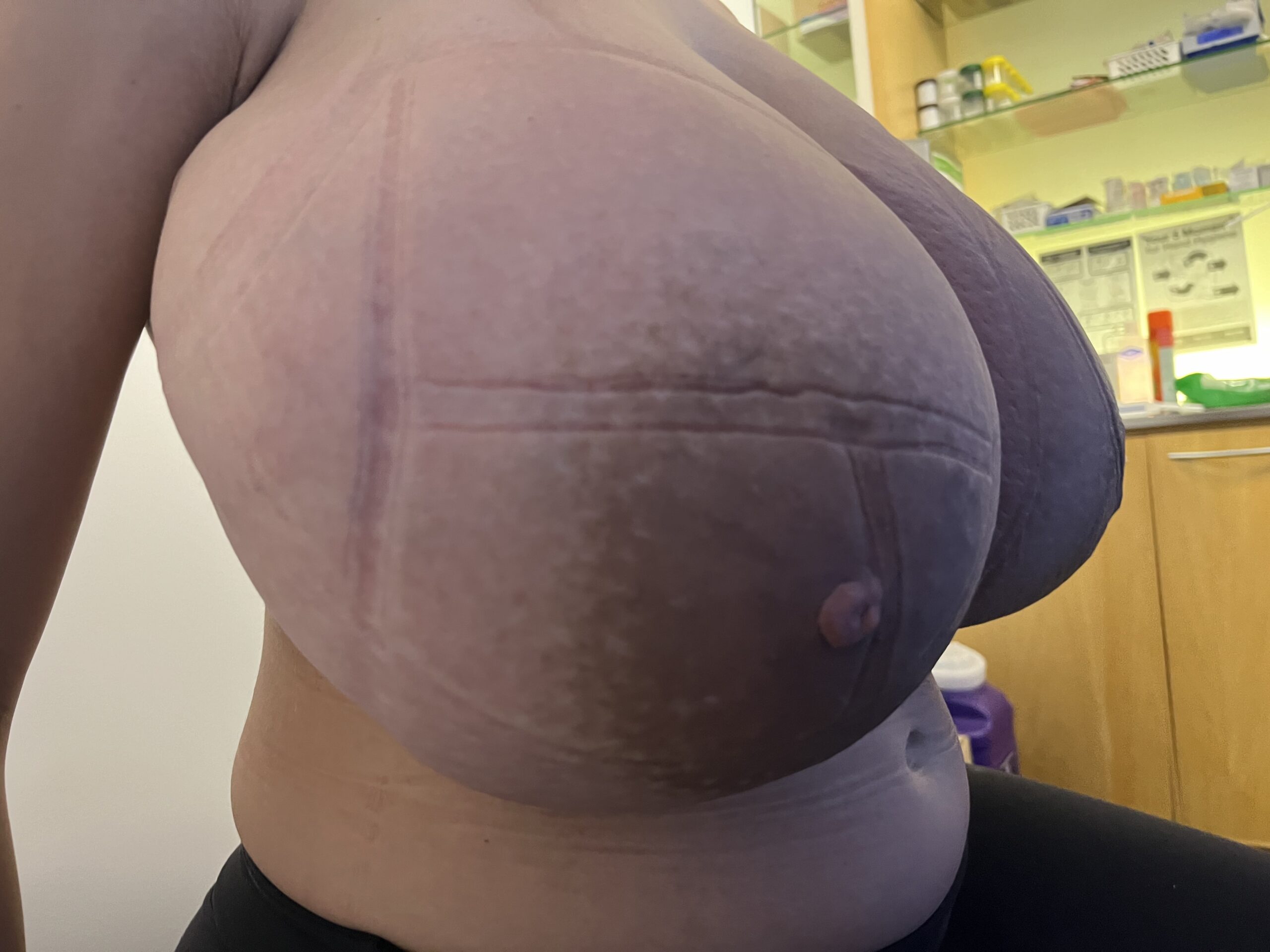
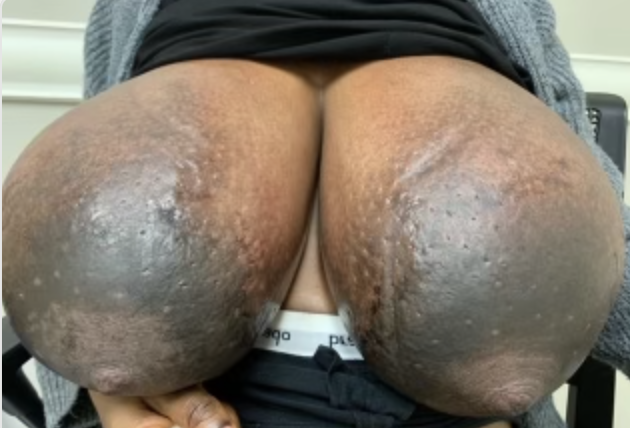
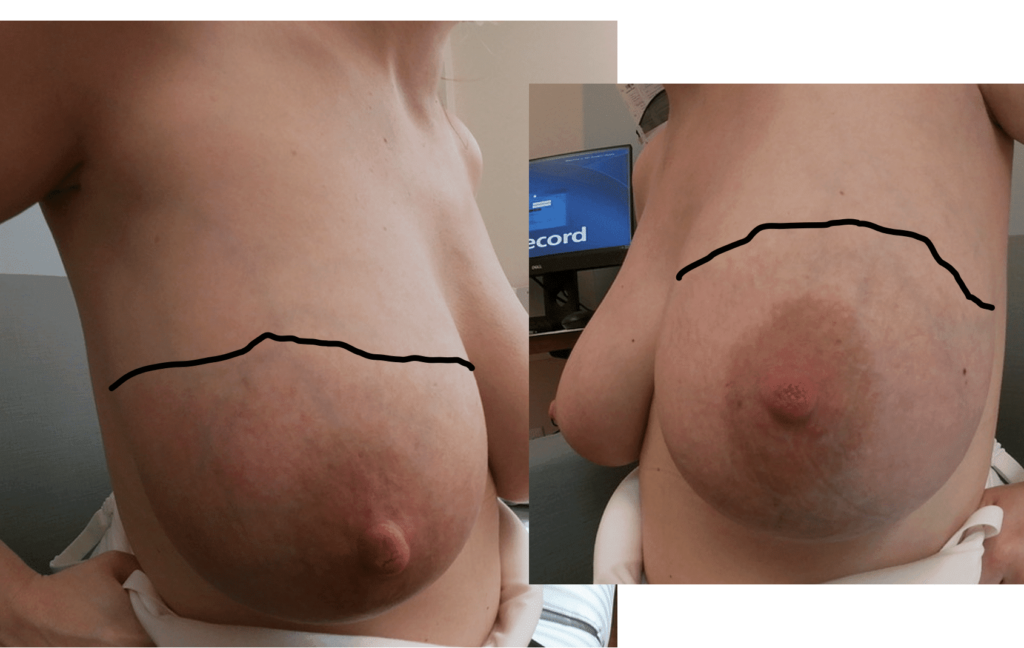
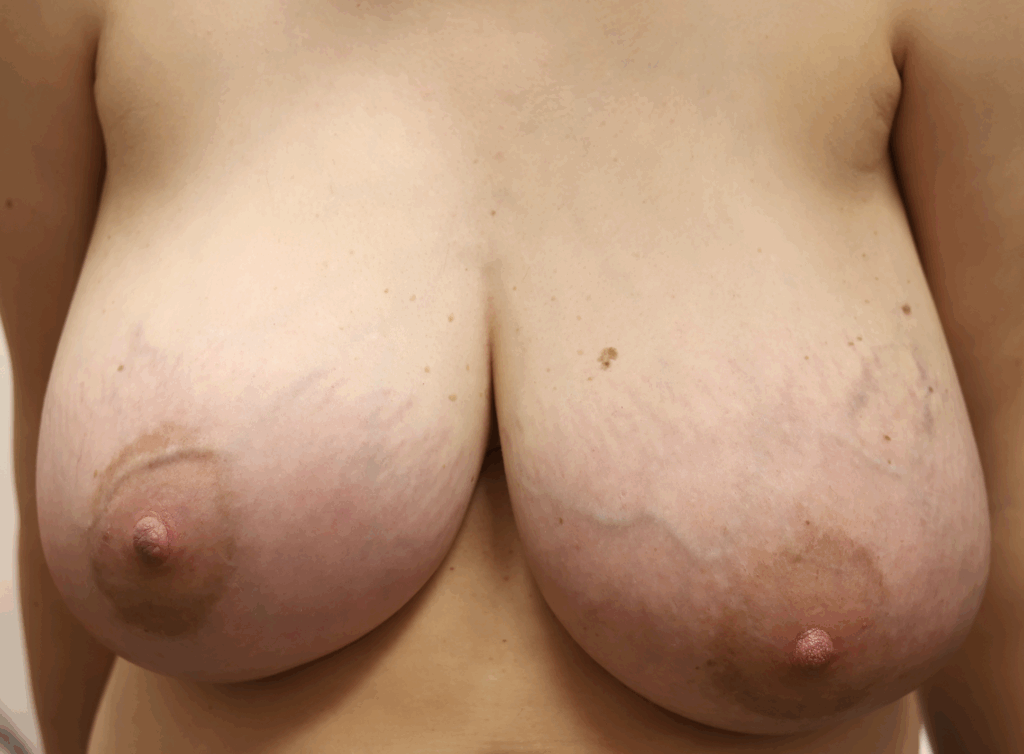
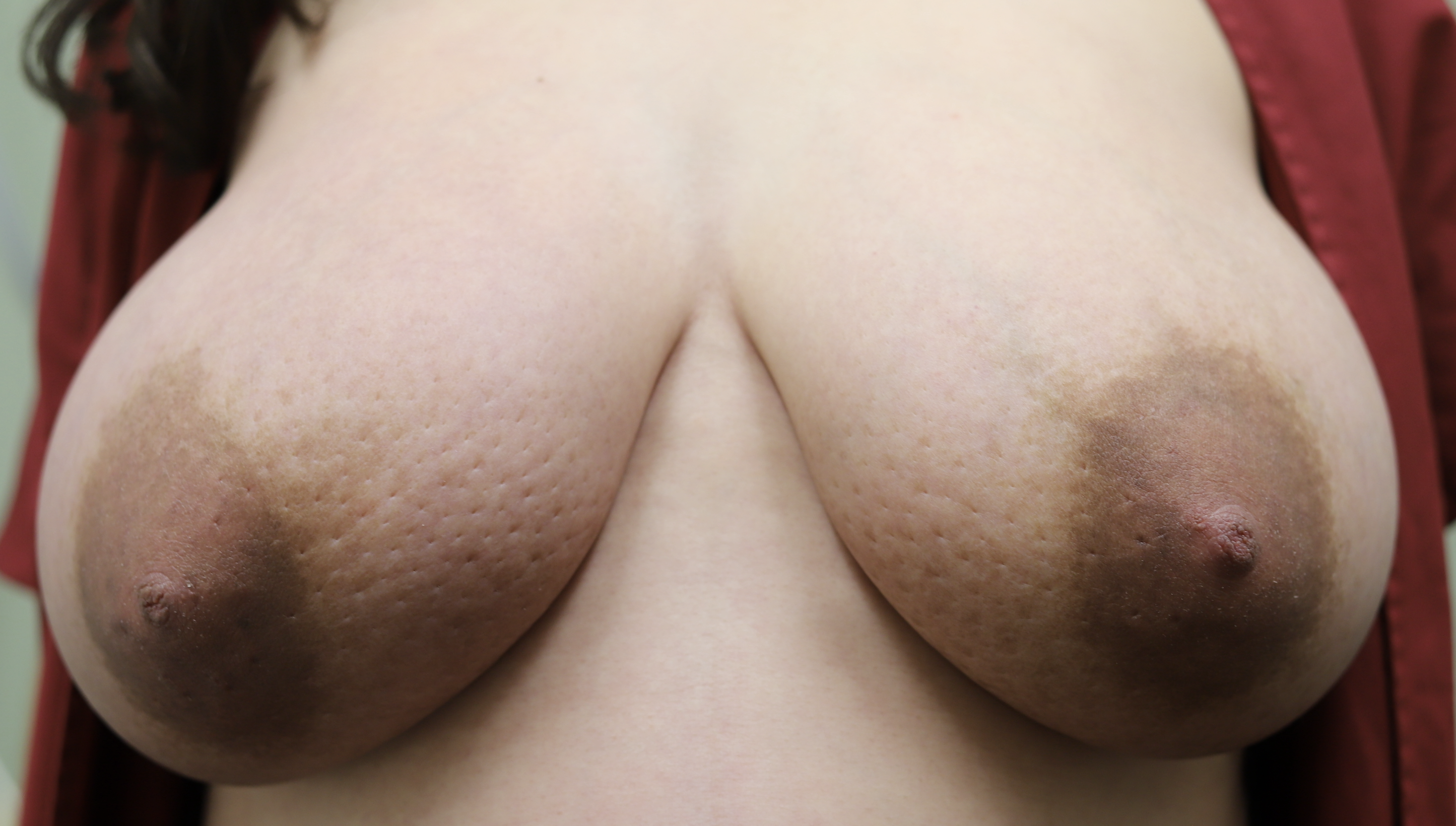
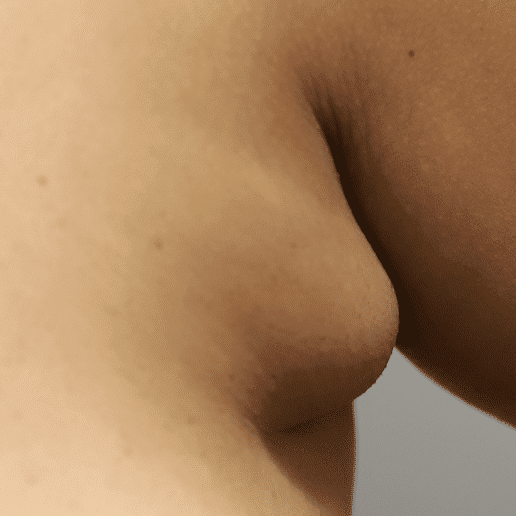
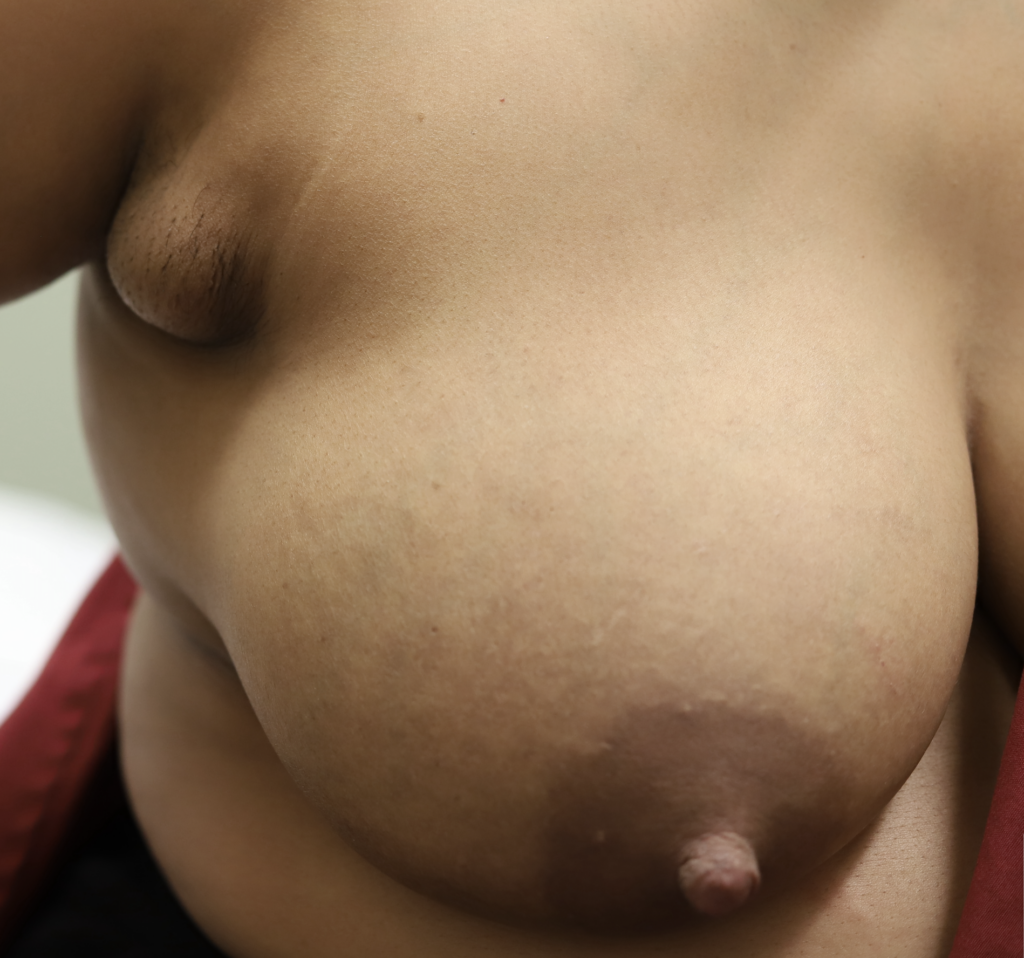
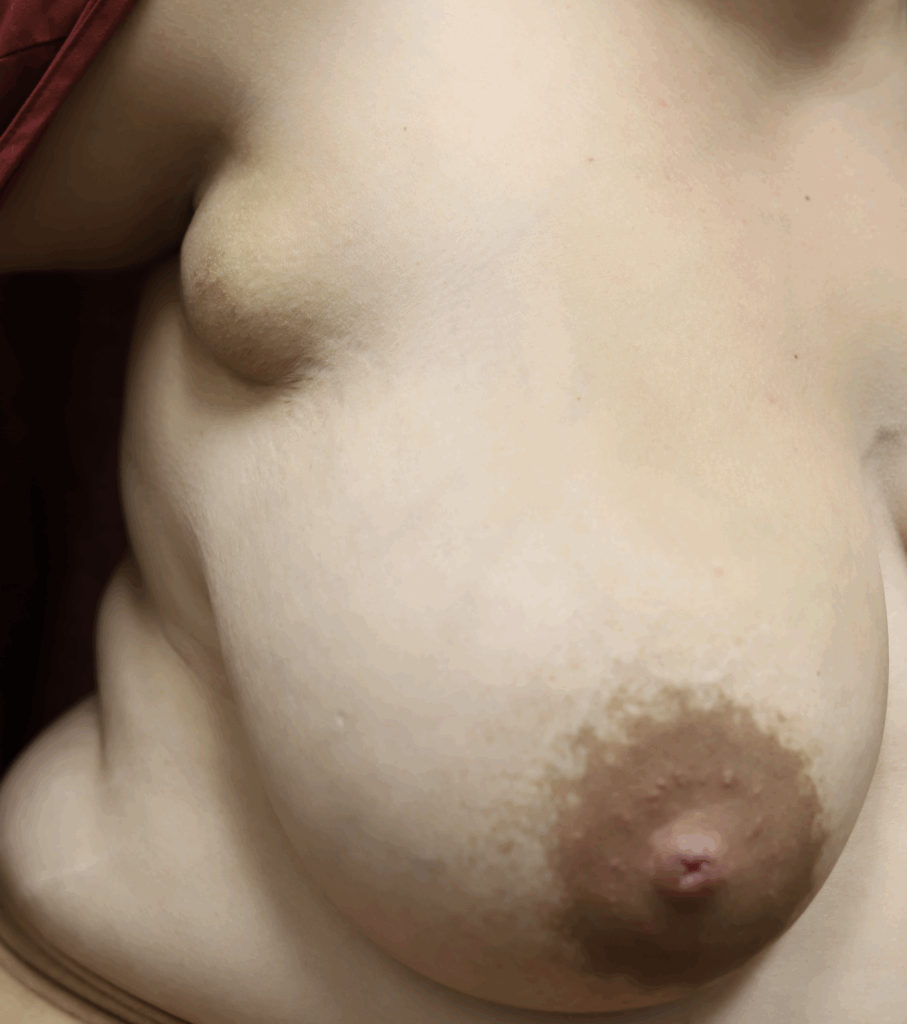
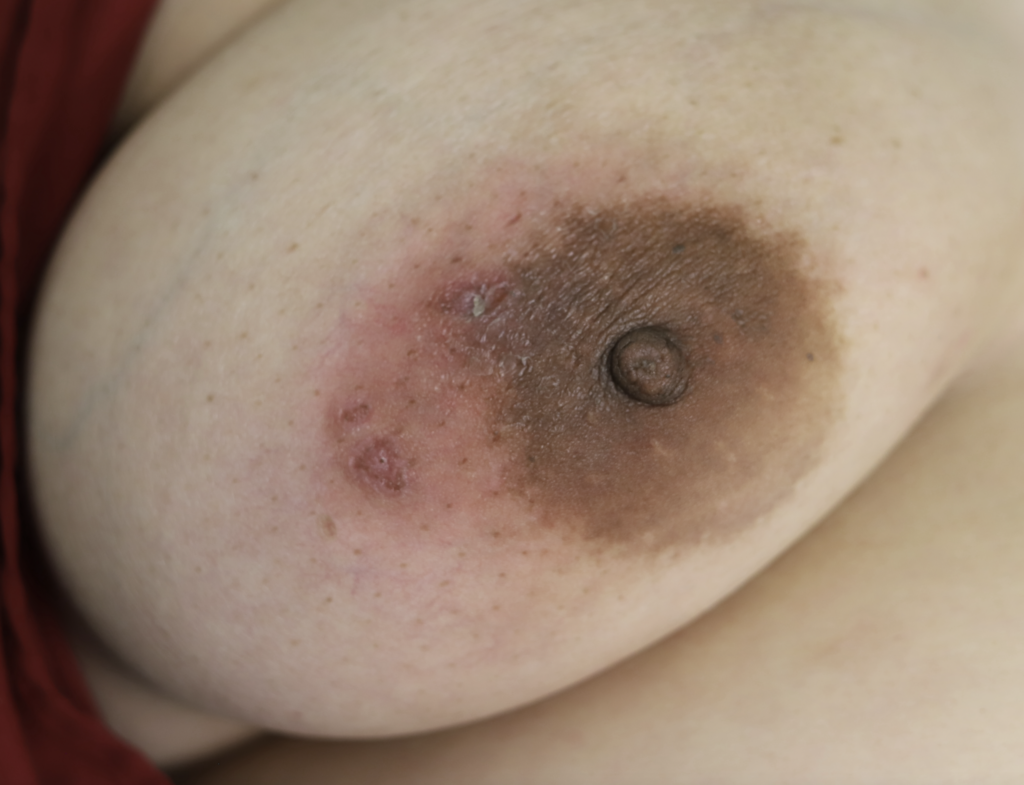
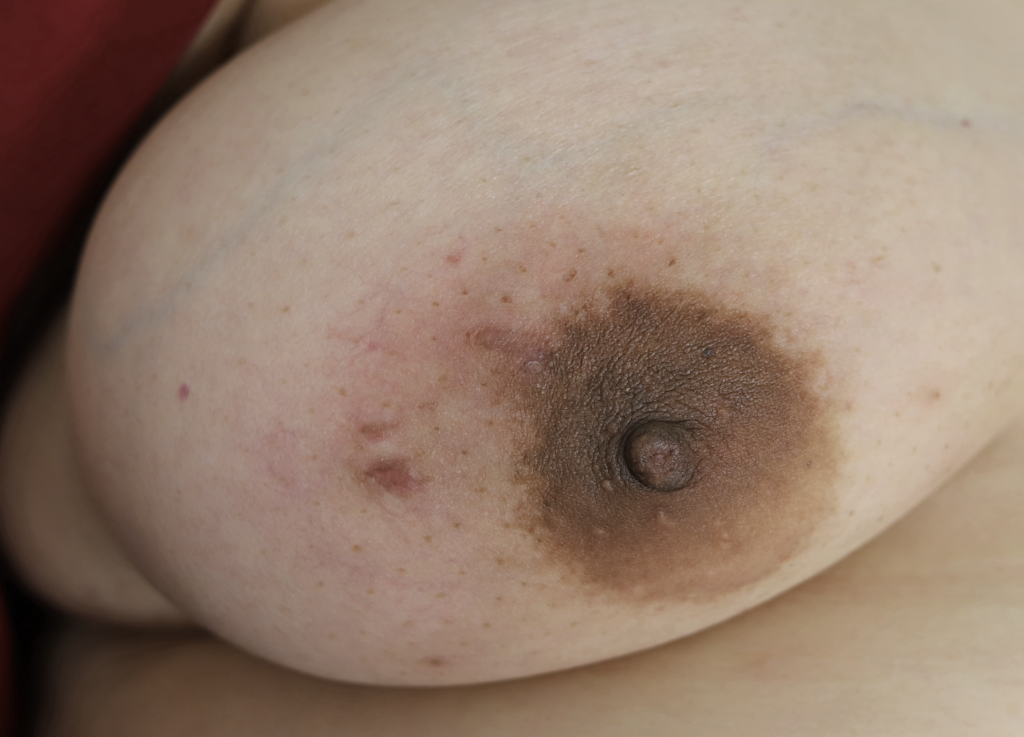
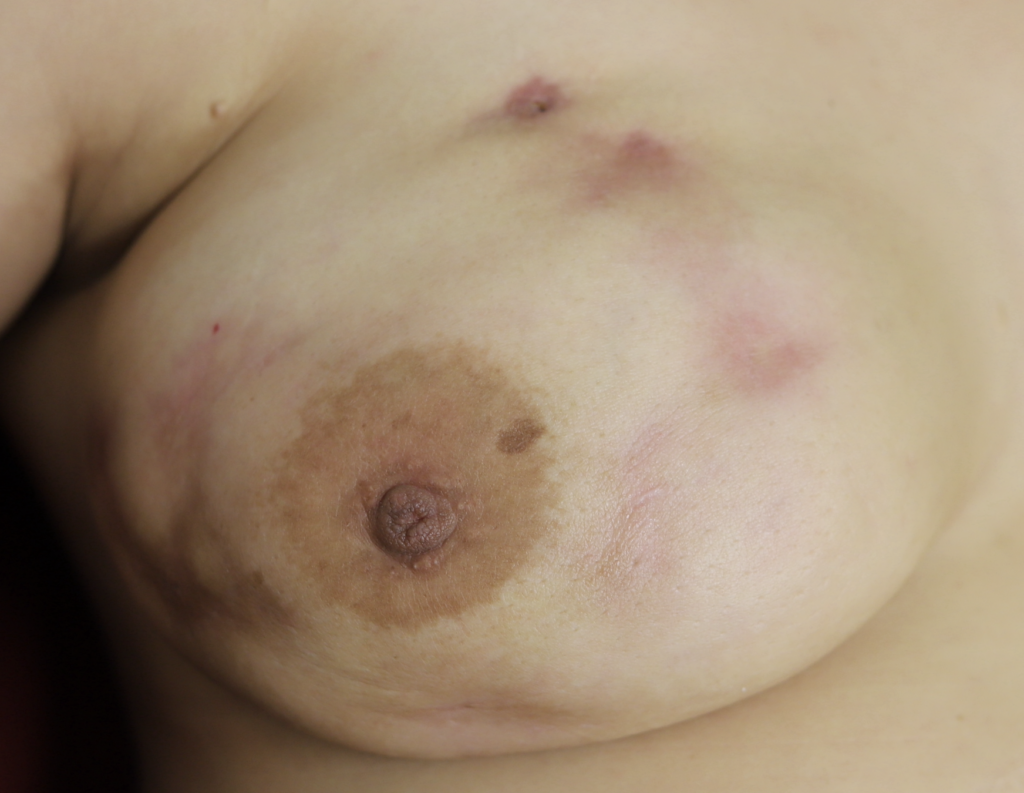
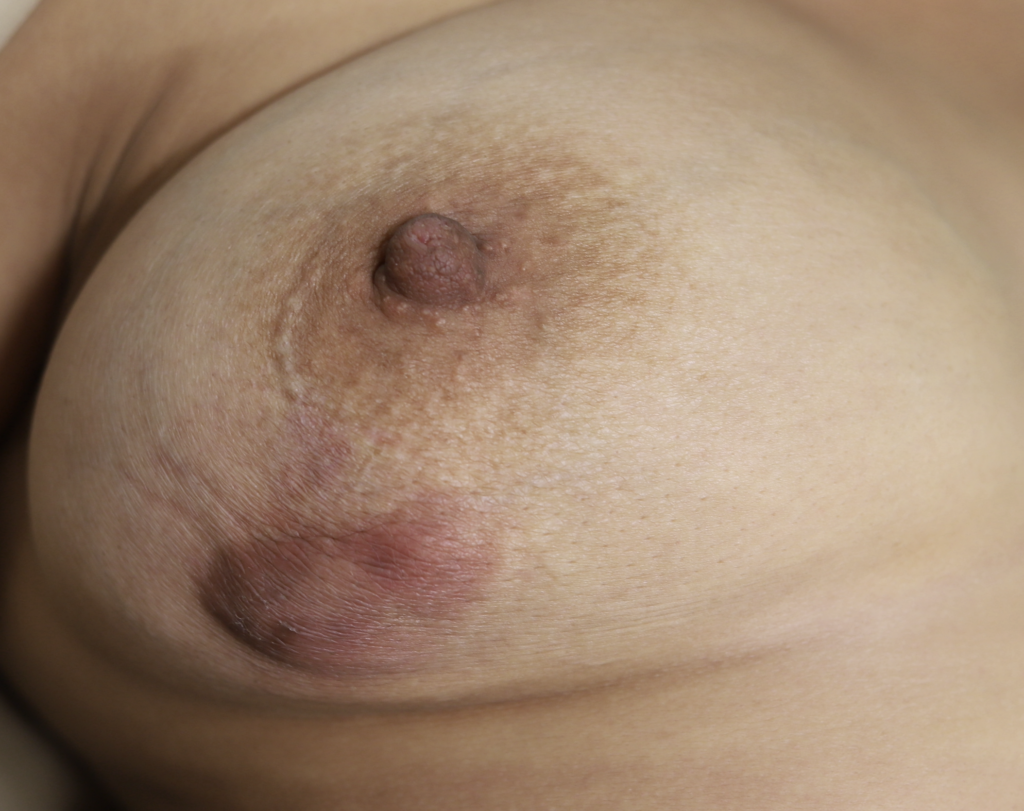
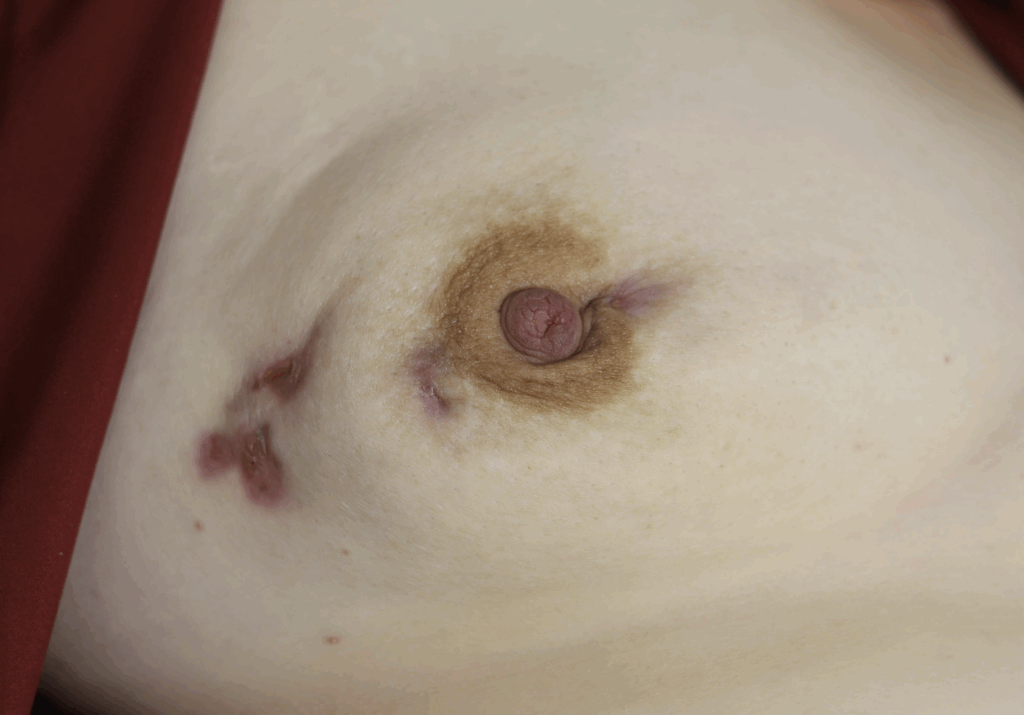
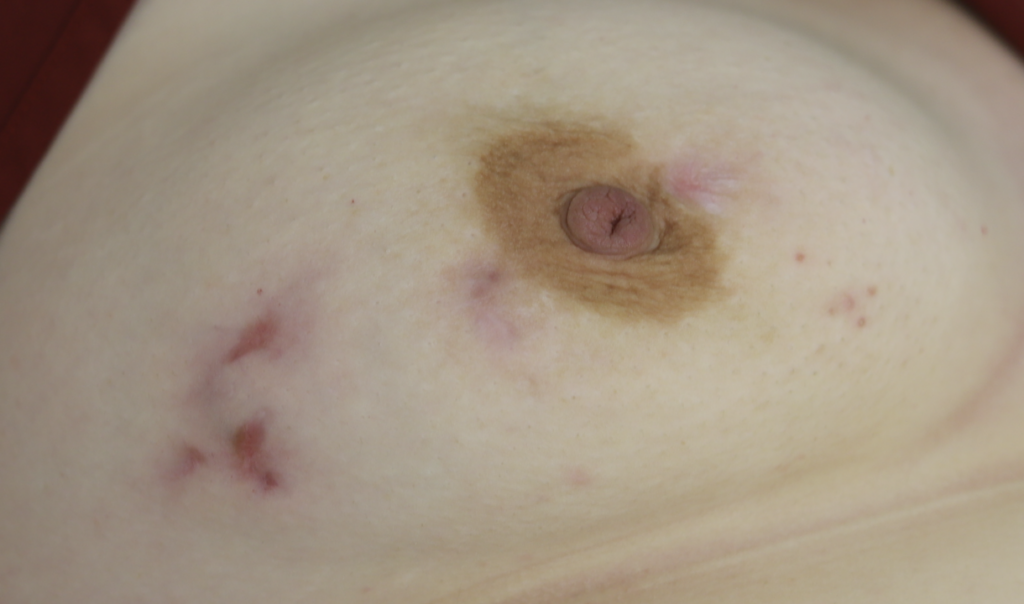
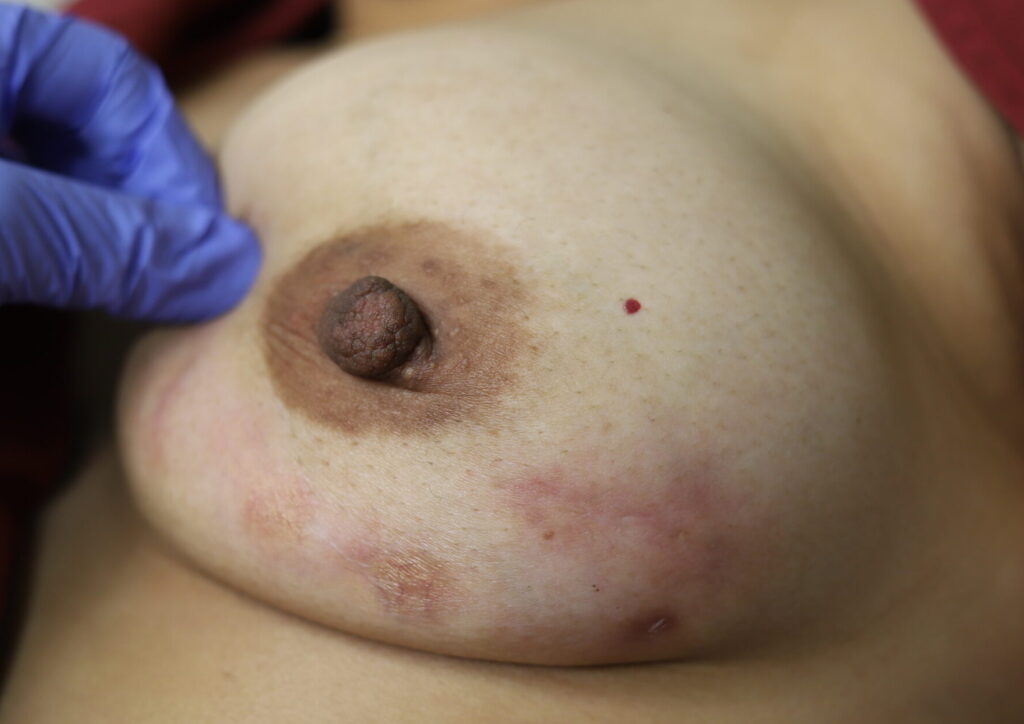
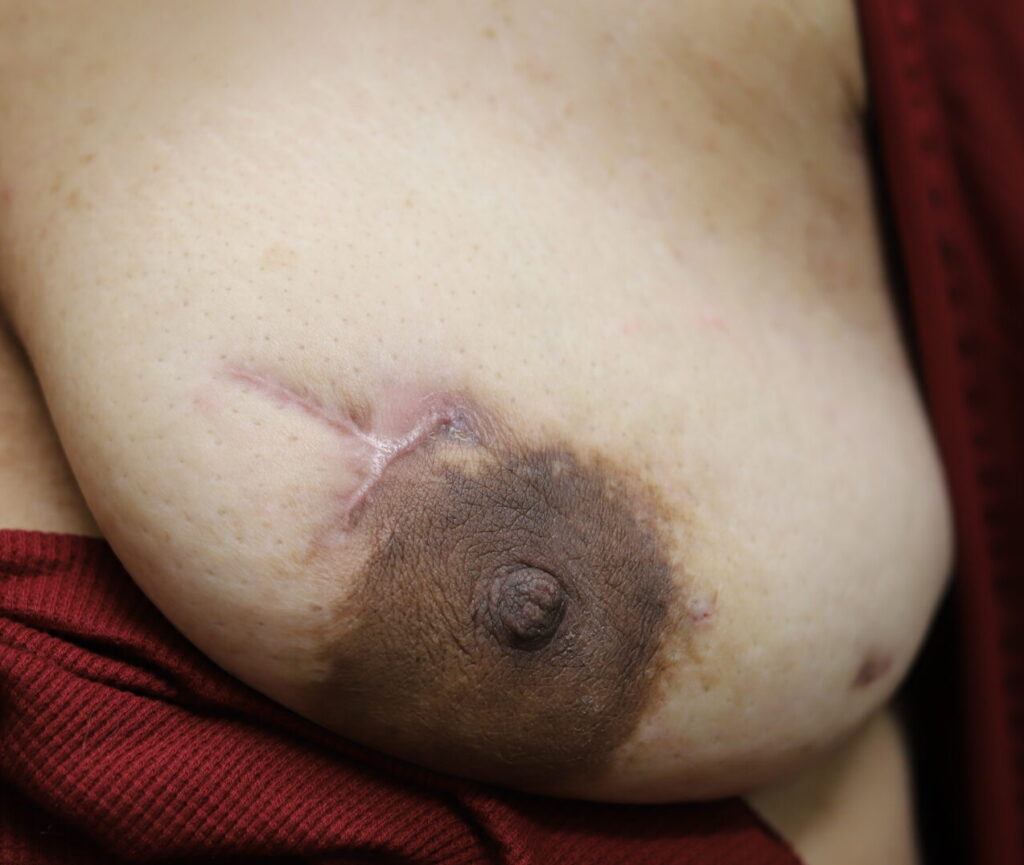
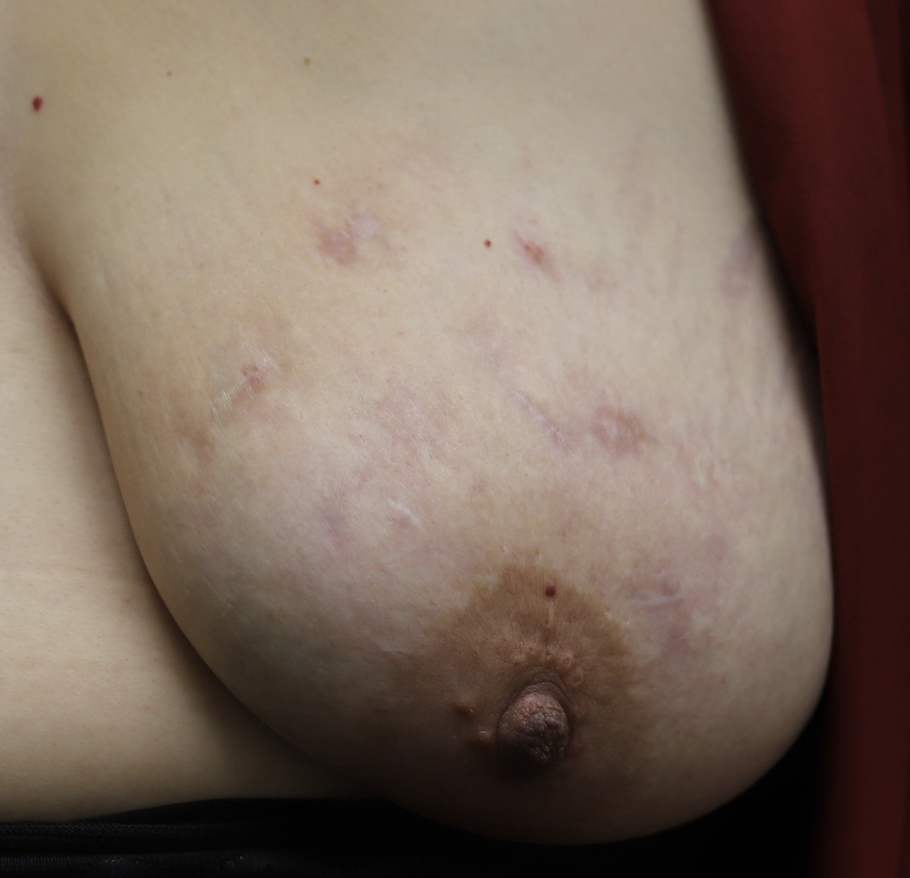
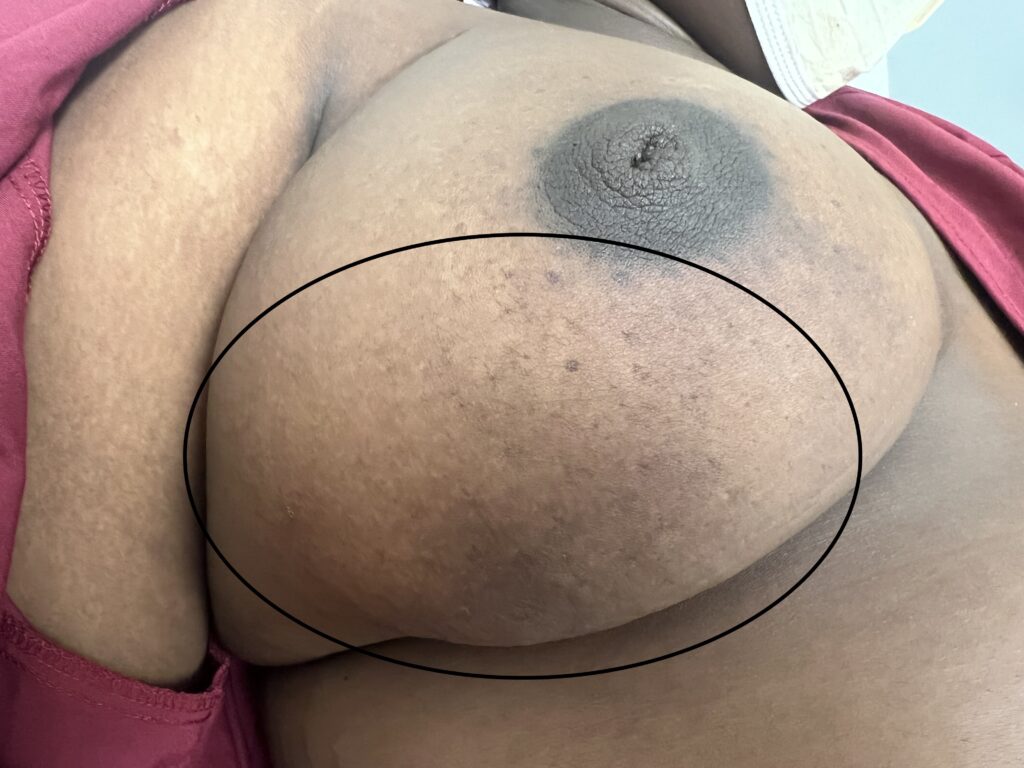
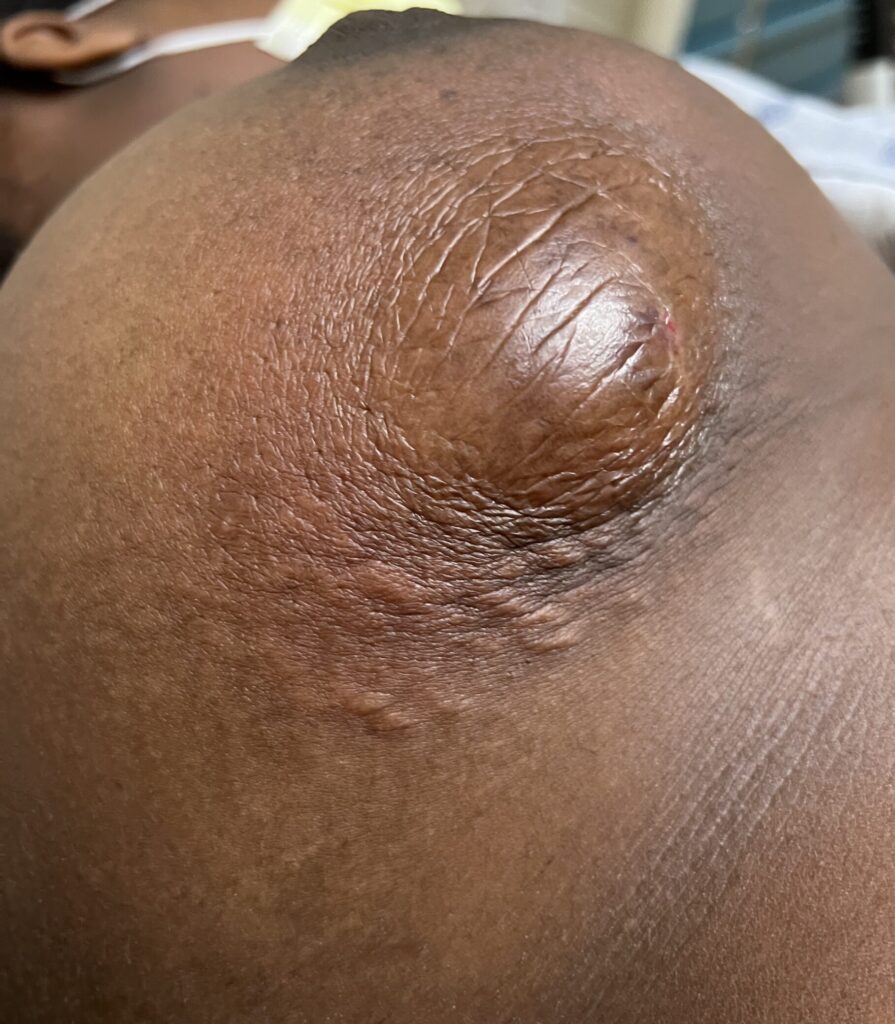
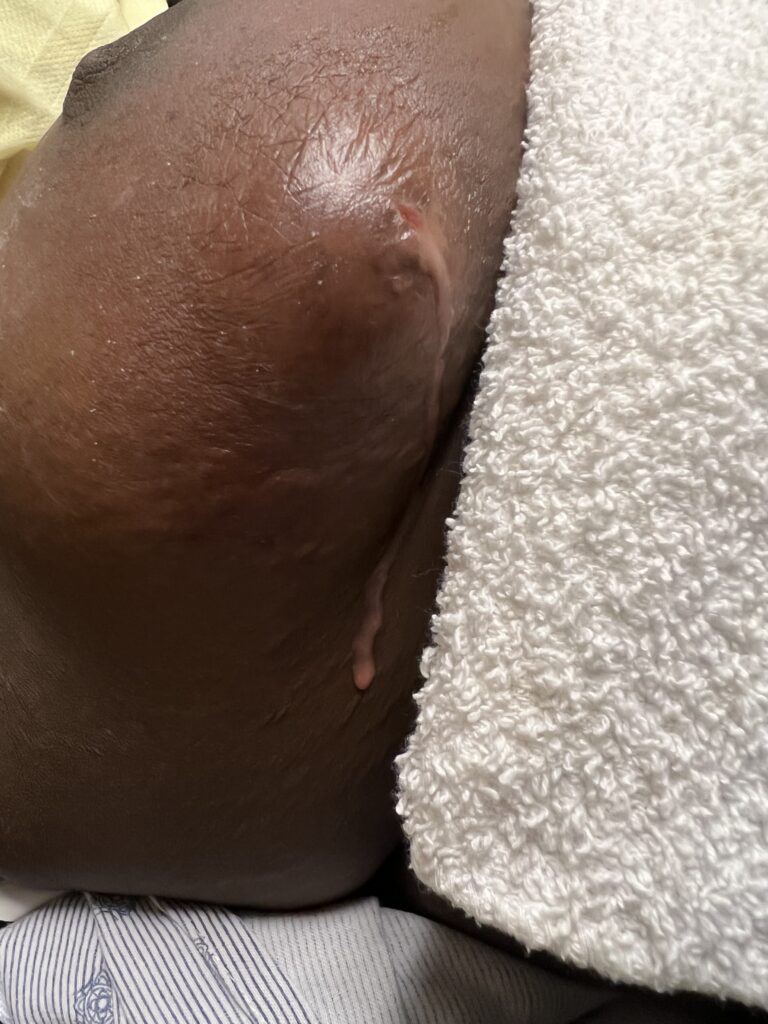
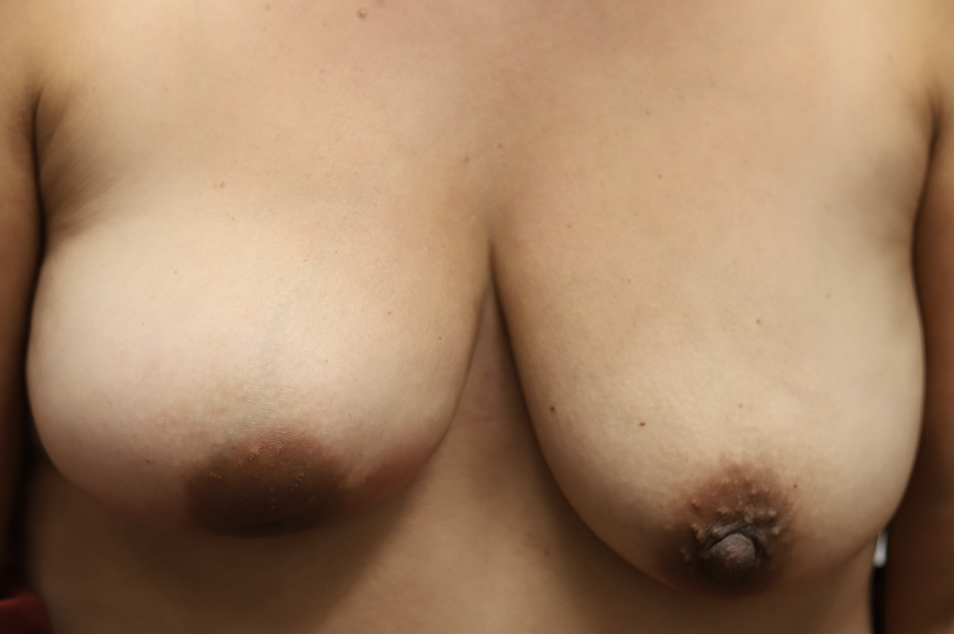
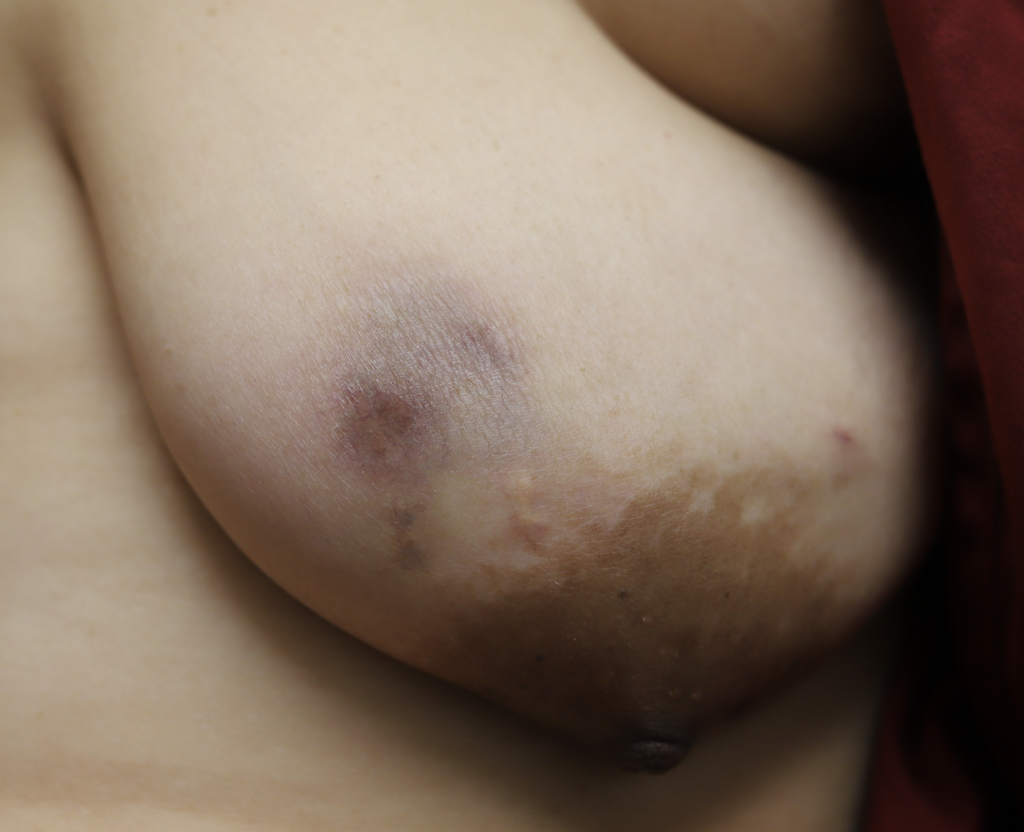
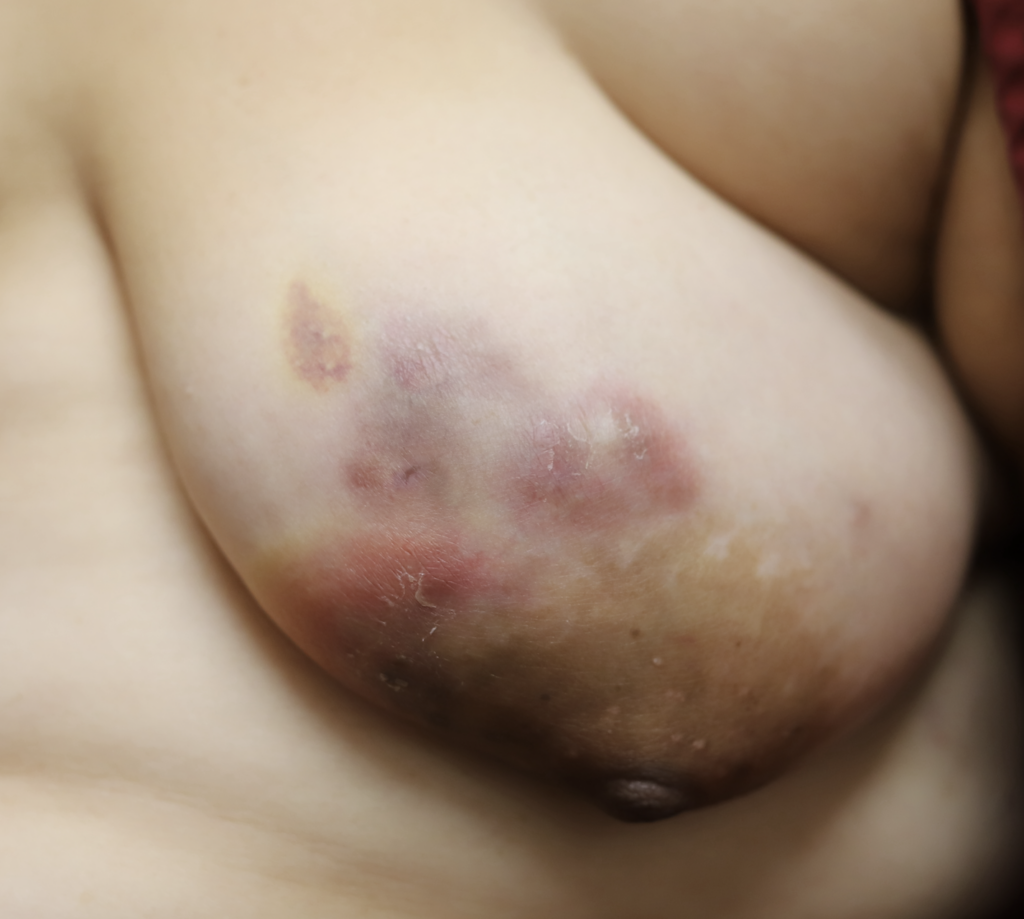
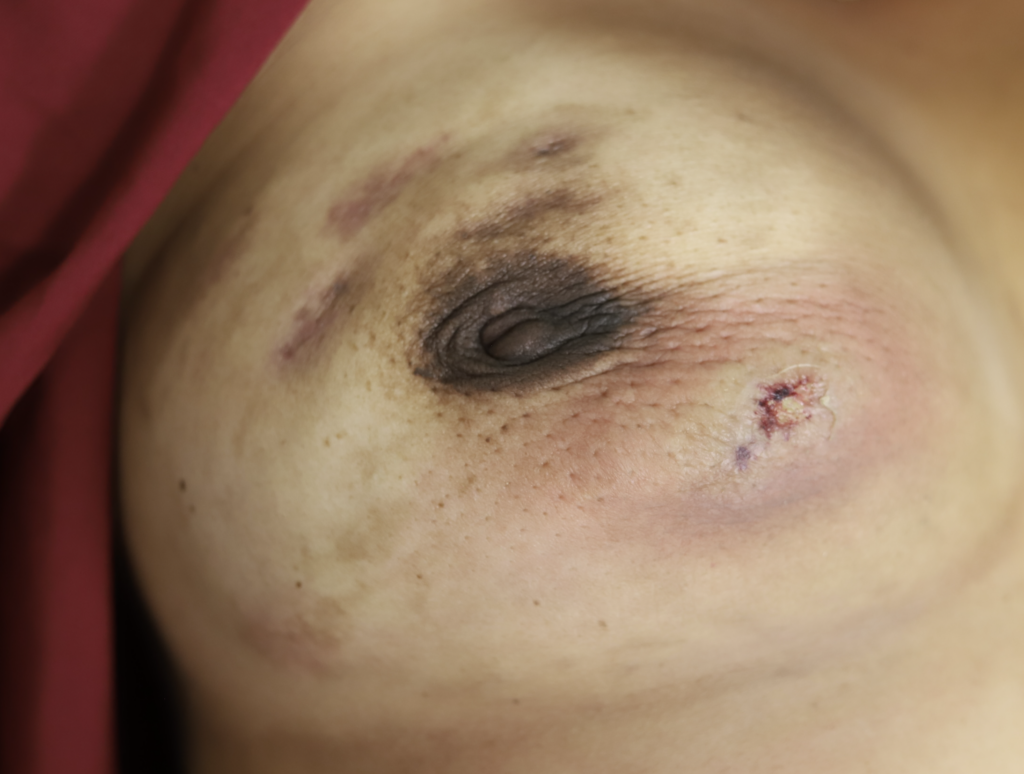
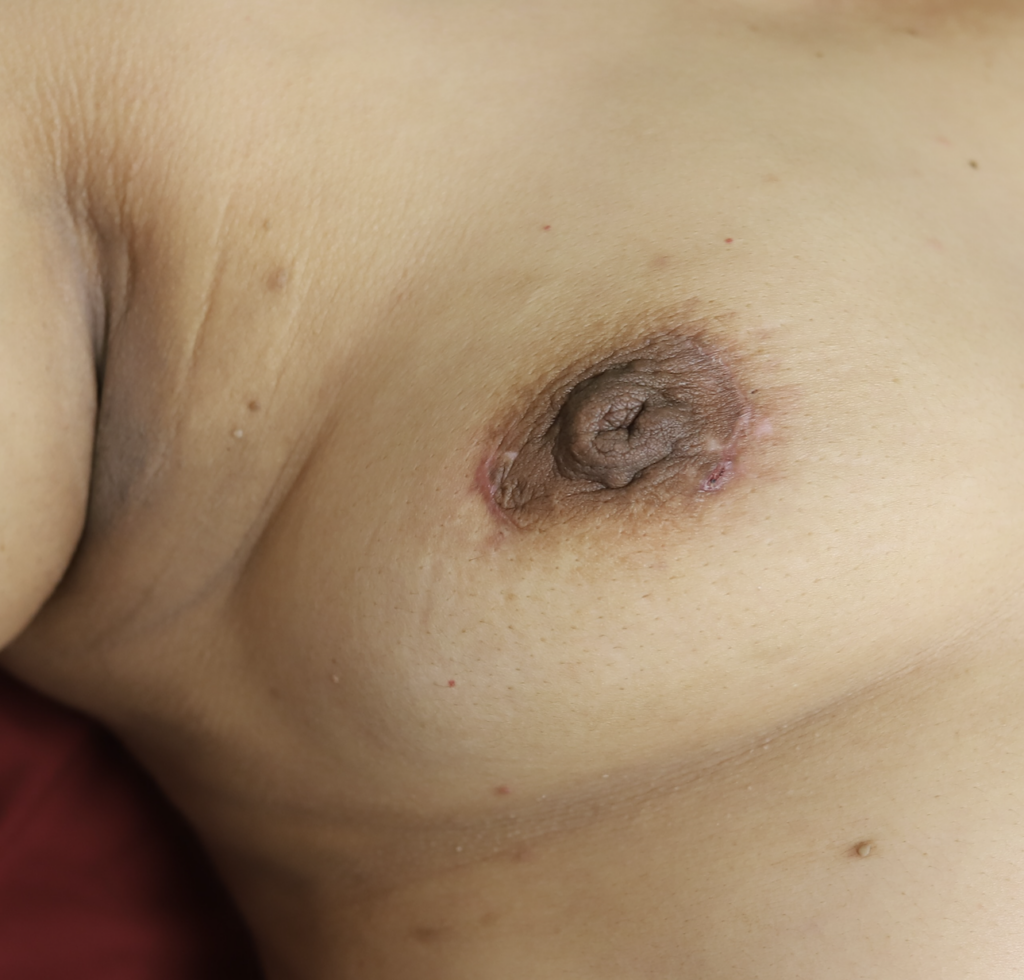
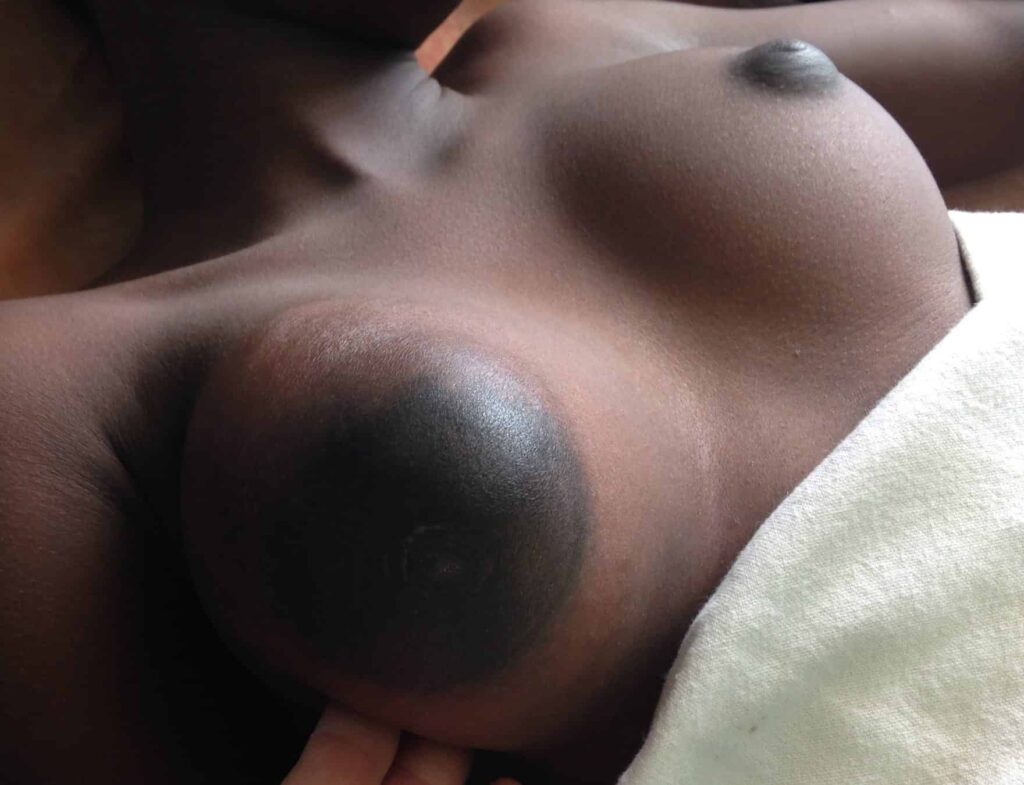
    Gestational gigantomastia likely represents a spectrum of excessive breast growth during pregnancy.  It may include women who grow multiple cup sizes, or those for whom the breast growth is so significant it can cause mobility impairments.  Hormonal factors may play a role in gigantomastia, but true cause remains unknown. It also remains unclear whether the growth represents true glandular development or simply fluid retention in the breast as occurs in other parts of the body during pregnancy.   Women gigantomastia that is not significant enough to cause skin breakdown but do experience growth do not necessarily produce large volumes of milk.
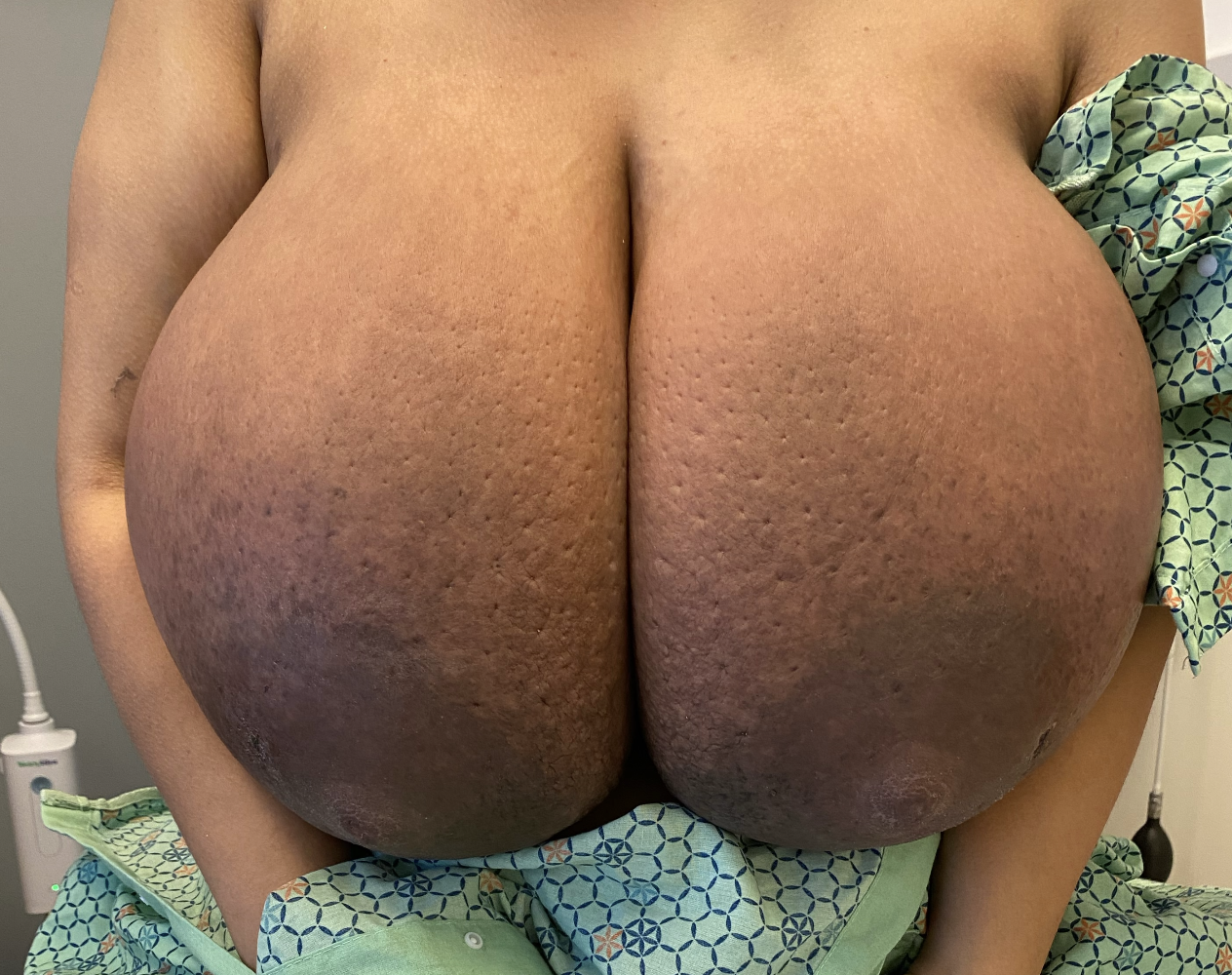
    Gigantomastia of pregnancy Photo:  Clara Farley

    gestational gigantomastia Photo: Clara Farley

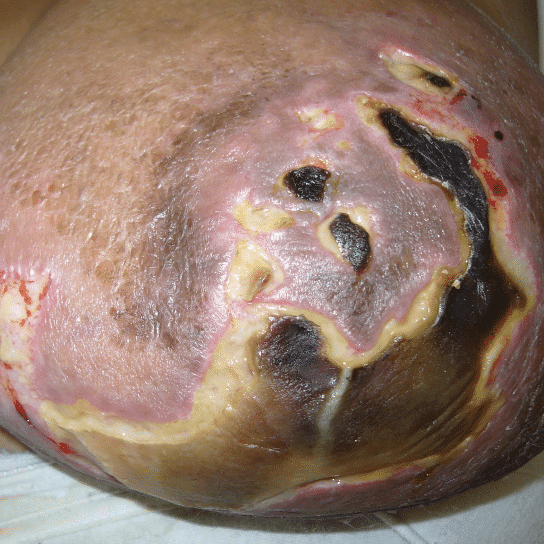
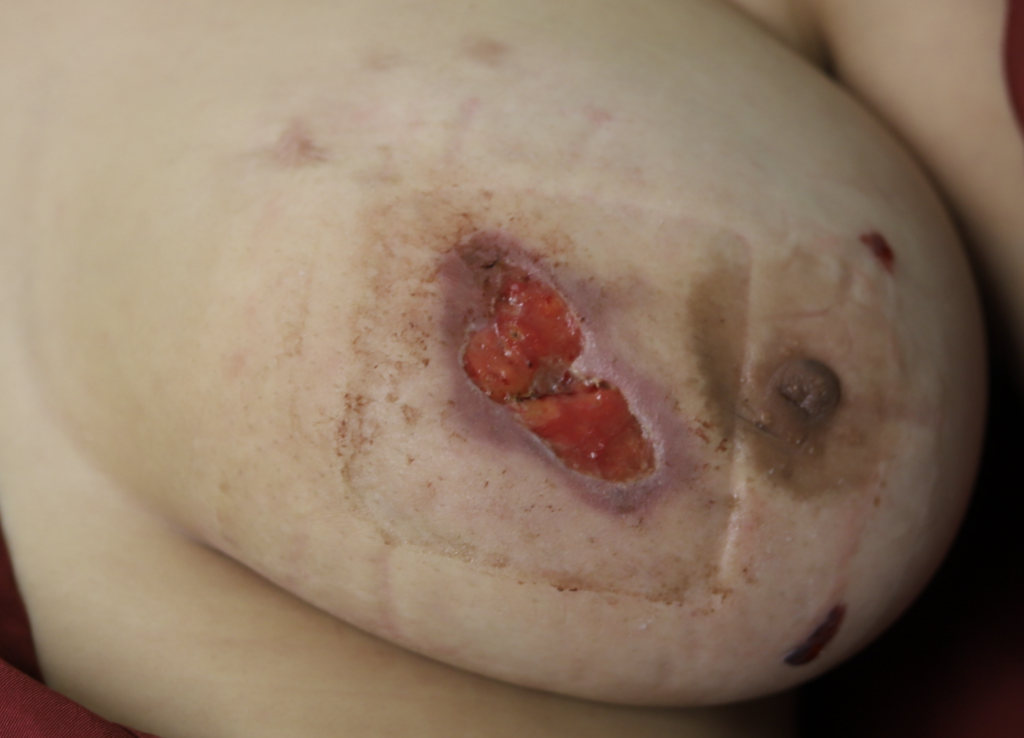
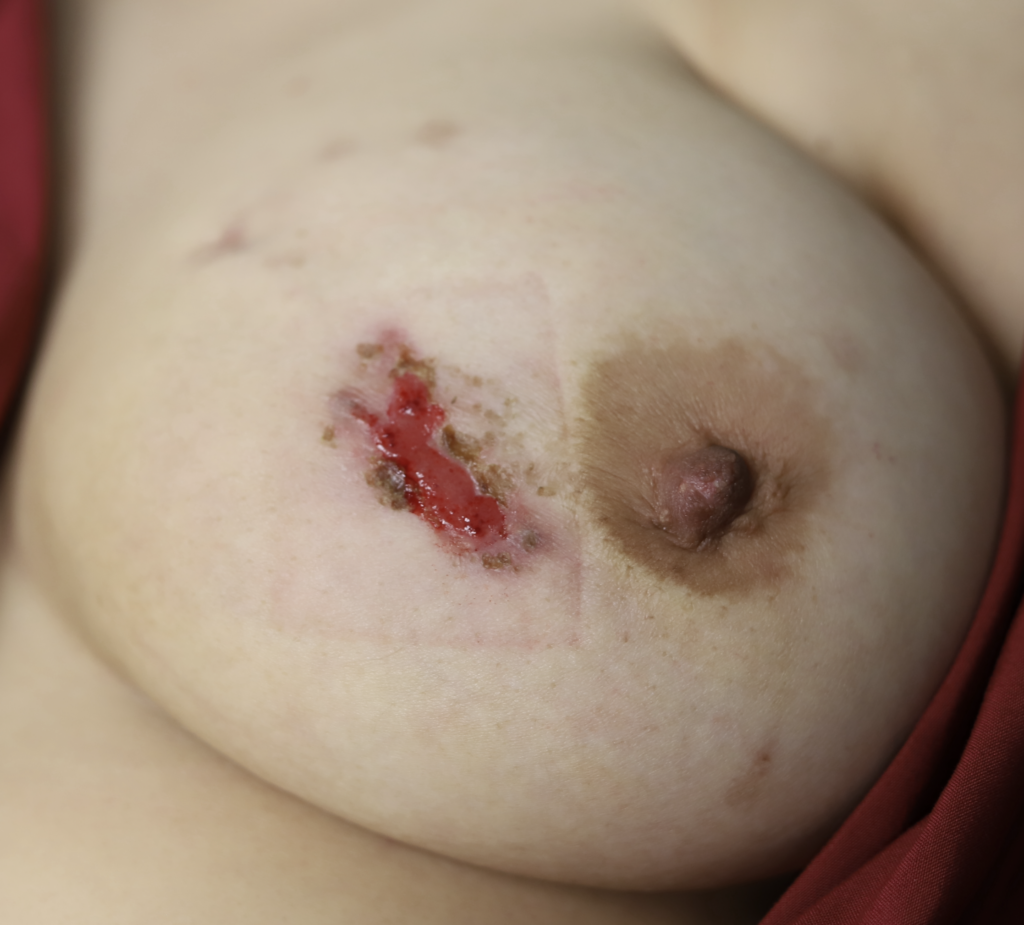
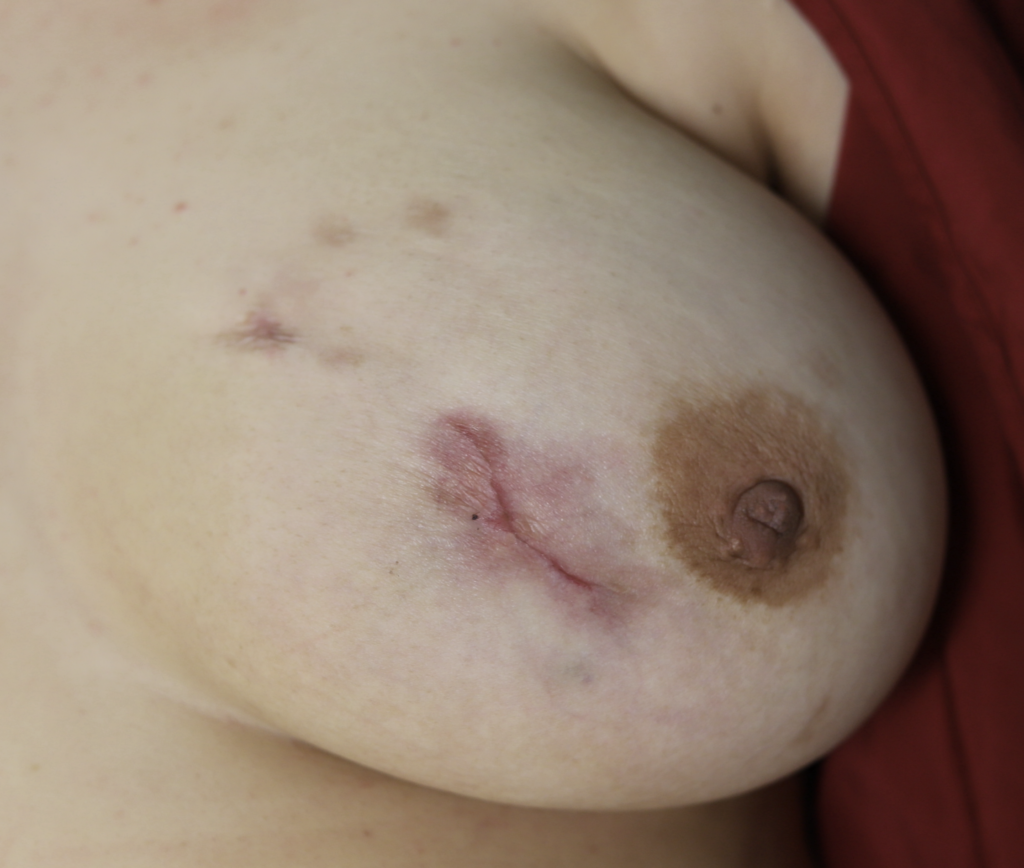
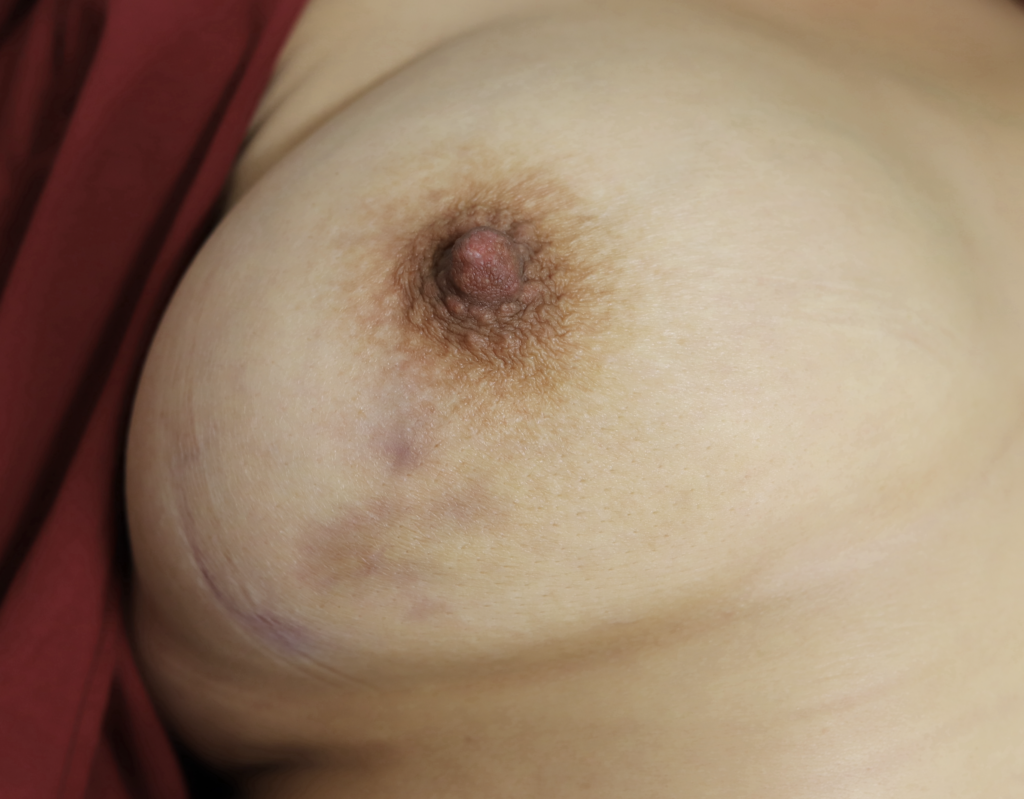
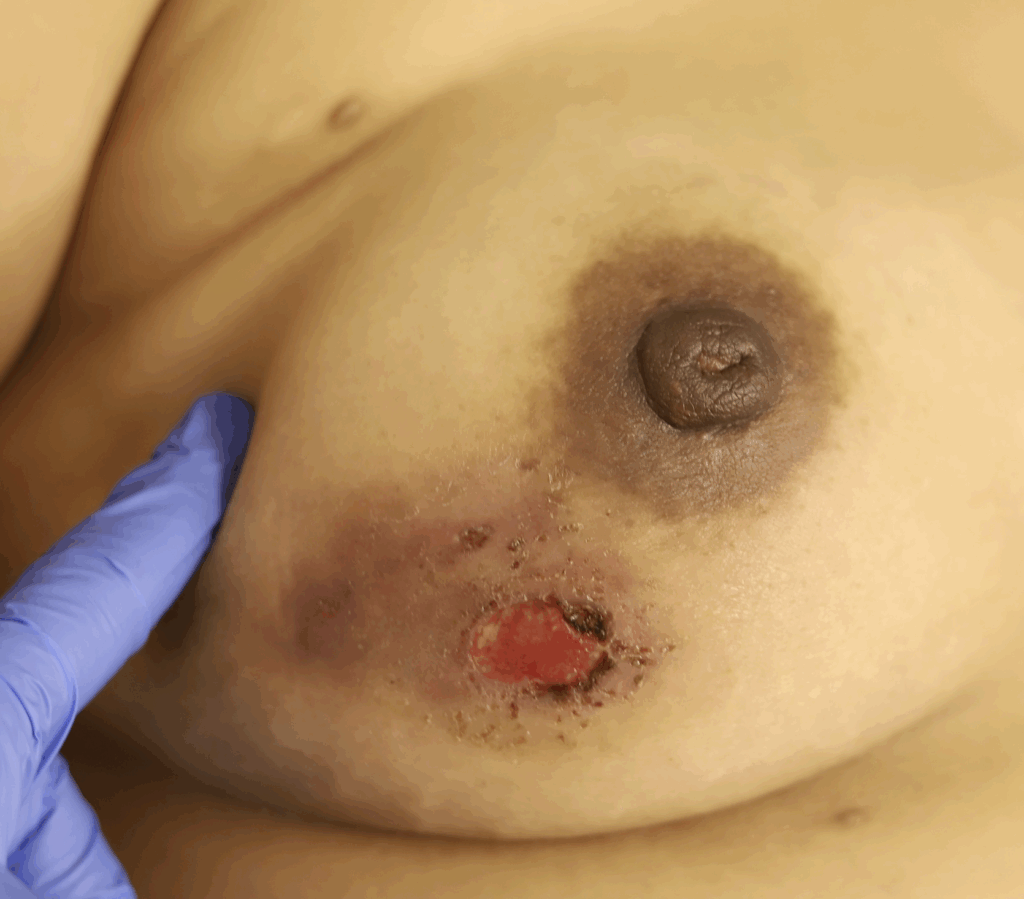
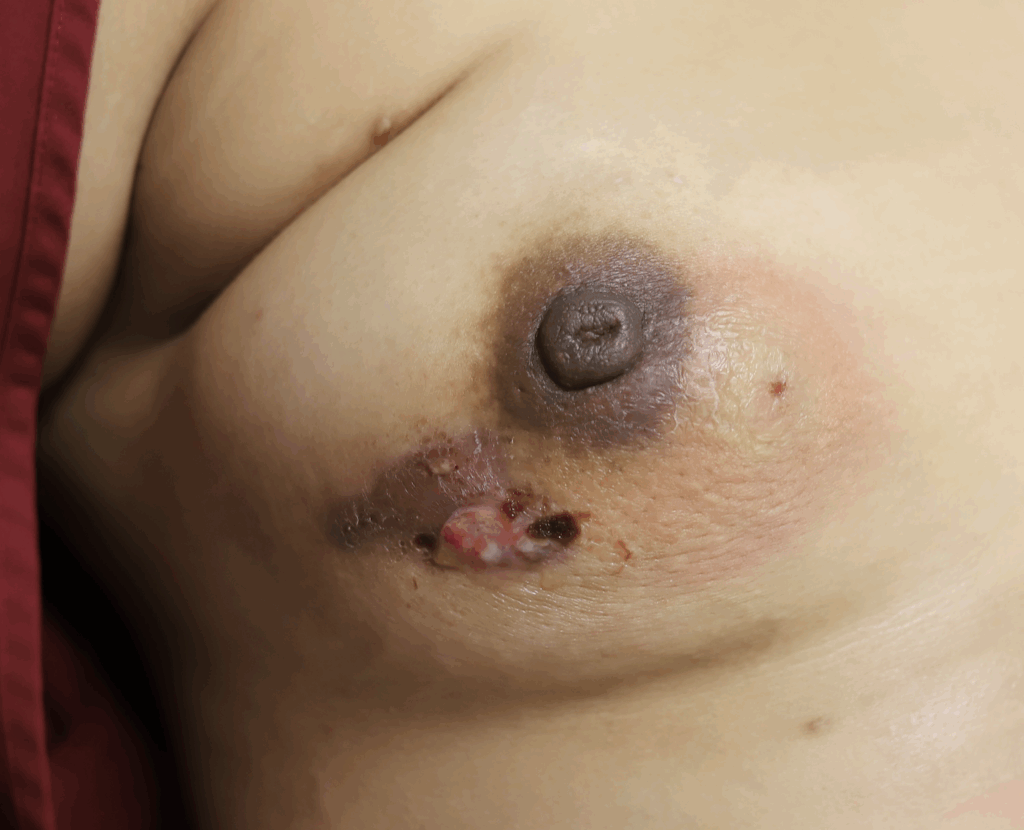
    During pregnancy, it is treated by bromocriptine (an anti-prolactin agent) alternating with metformin (modulates insulin). Postpartum, patients should be given bromocriptine or cabergoline (anti-prolactin agent) before lactogenesis II (secretory activation, or “milk coming in”) to reduce the risk of skin necrosis (ulceration and death of skin). Donor milk or formula supplementation should be planned. Patients can later undergo elective breast reduction.  The patient above is pictured below at end of pregnancy after being treated with lymphatic drainage and bromocriptine during pregnancy:

    Screenshot 2024 07 22 at 12.54.09 PM e1721856363117 
    Improvement in lymphedema with lymphatic drainage and supportive bra/garment, just before delivery. Photo: Clara Farley, MD
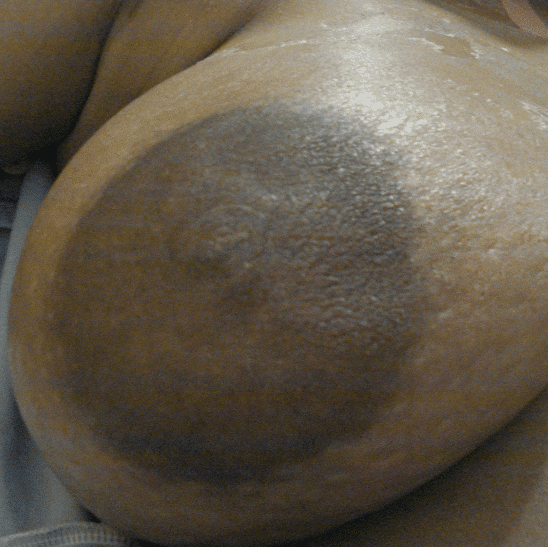
    Gigantomastia in pregnancy.
    Gigantomastia in pregnancy.
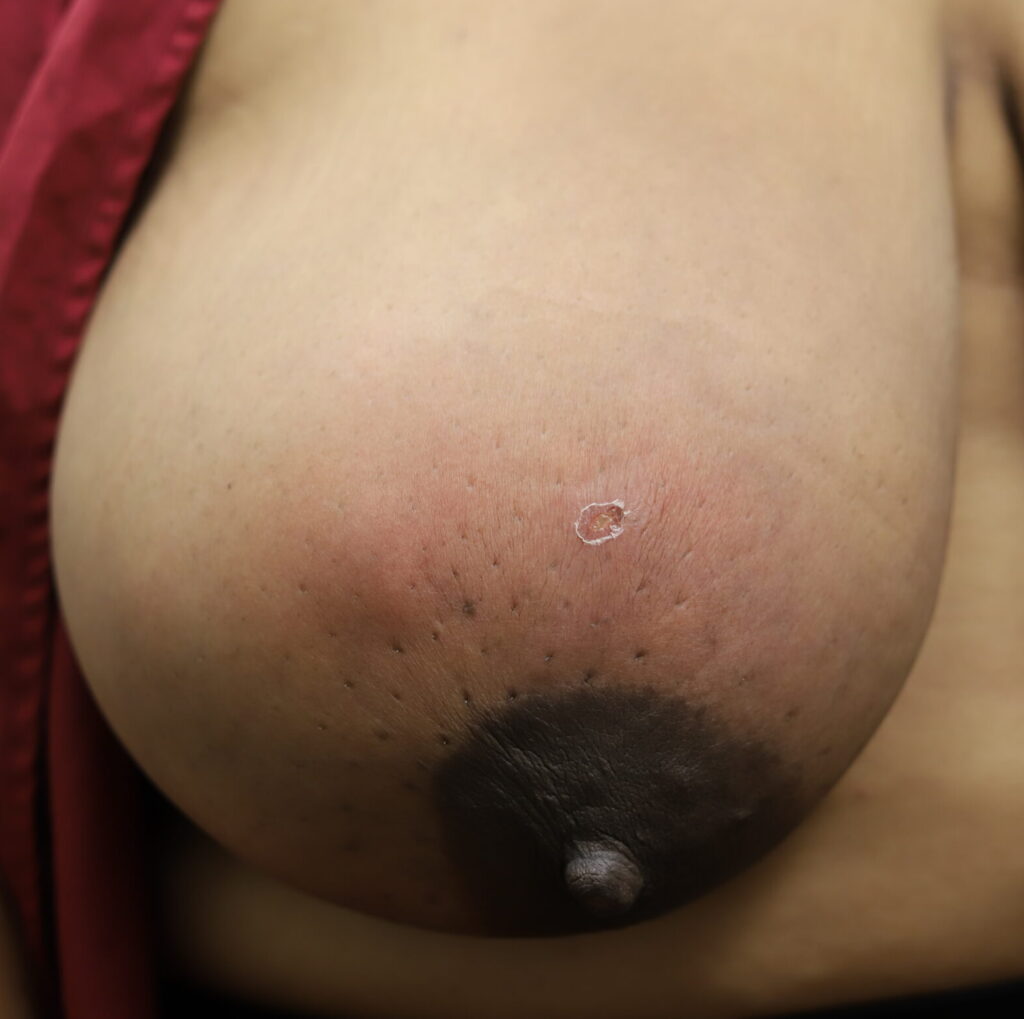
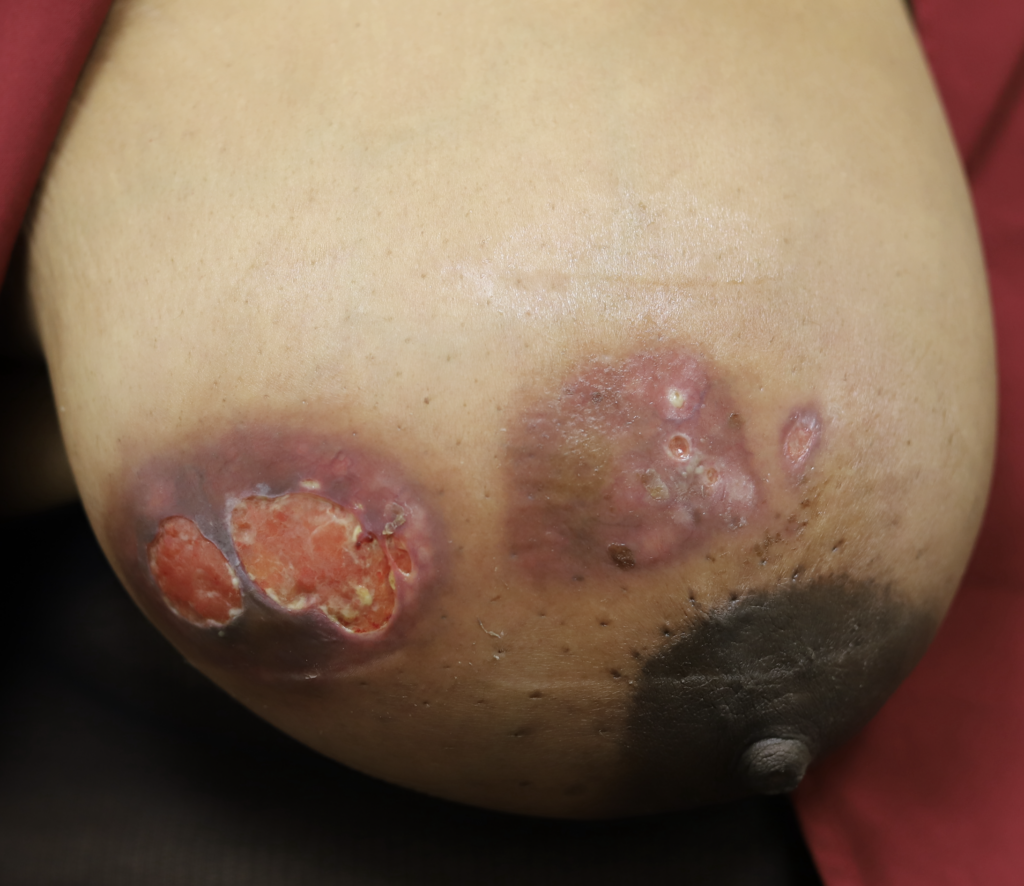
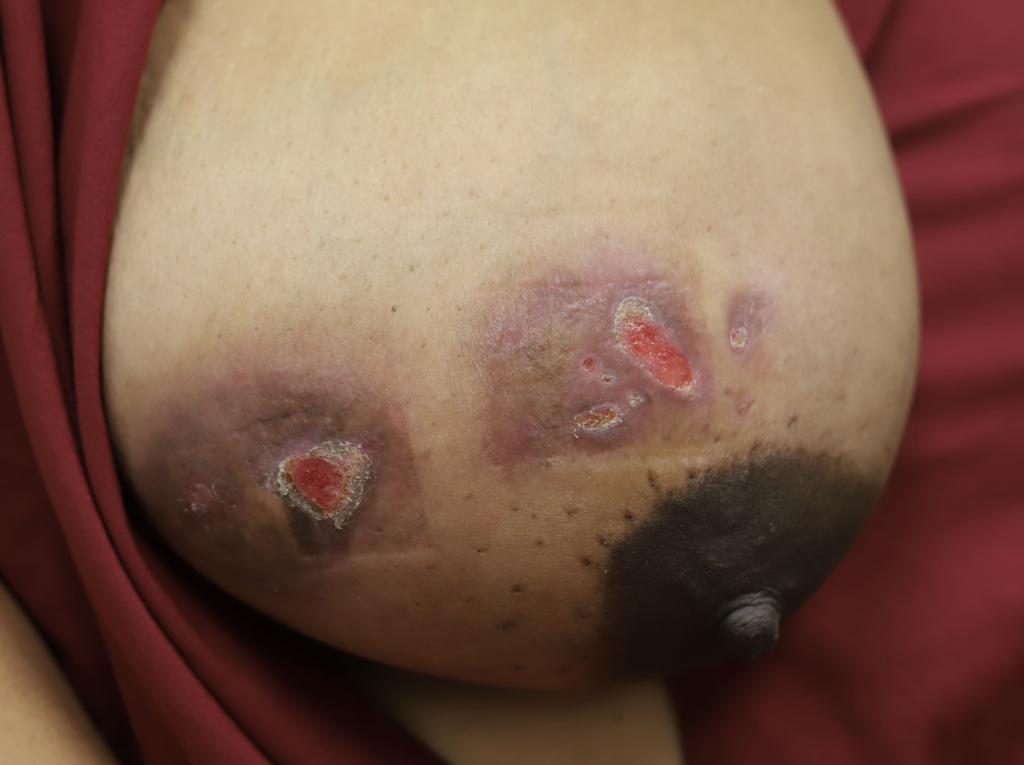
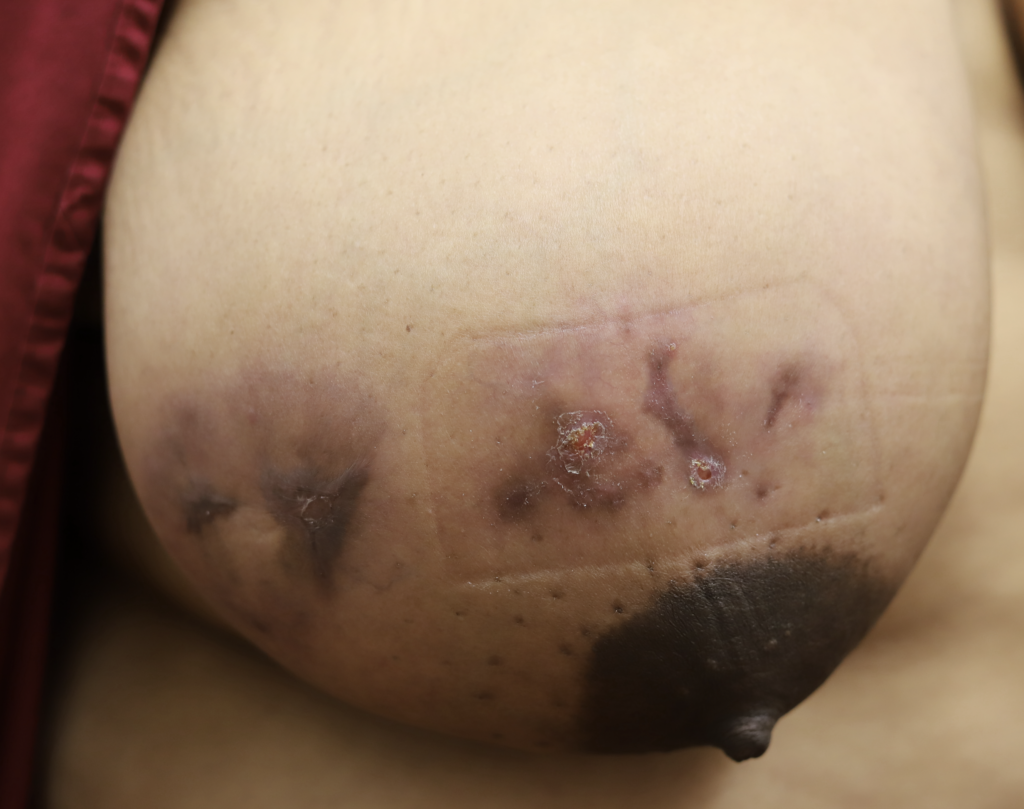
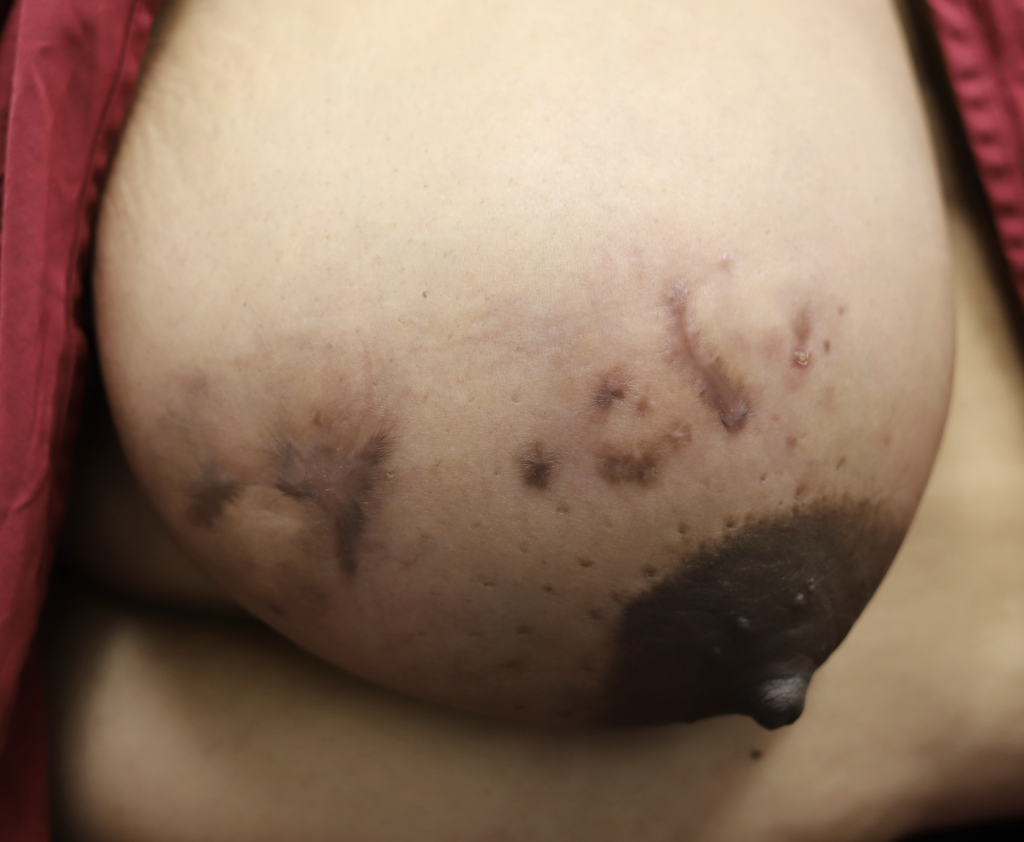
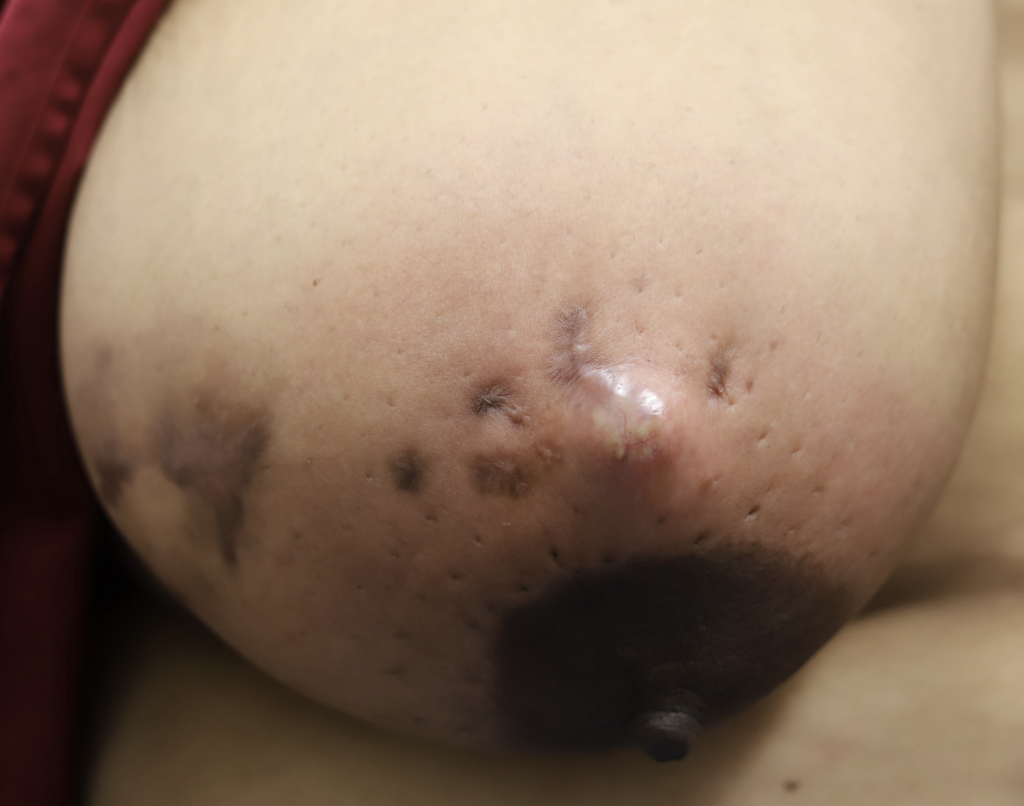
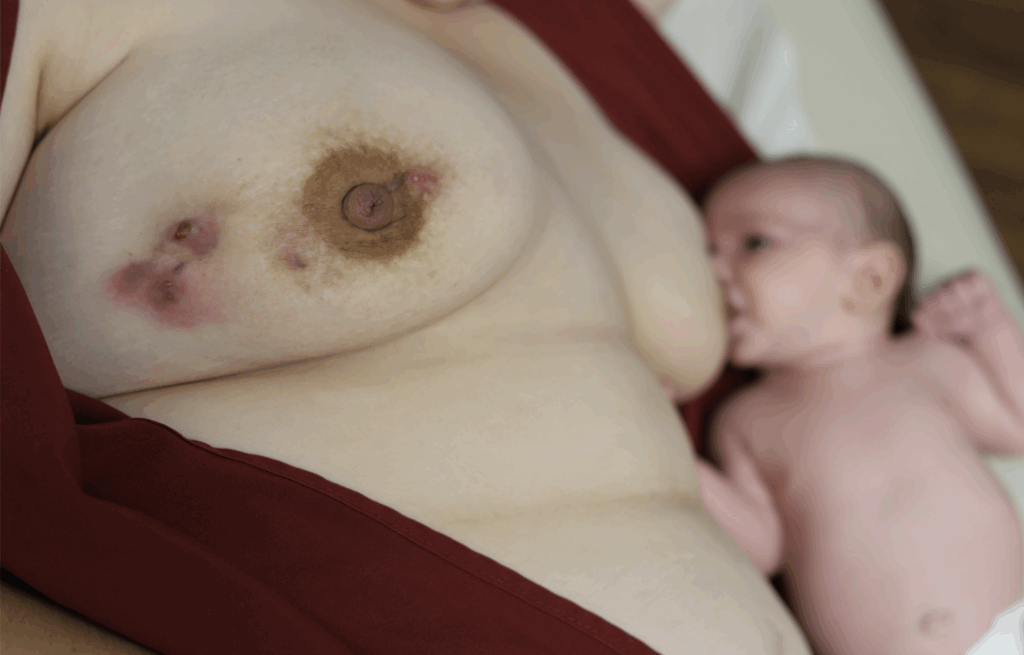
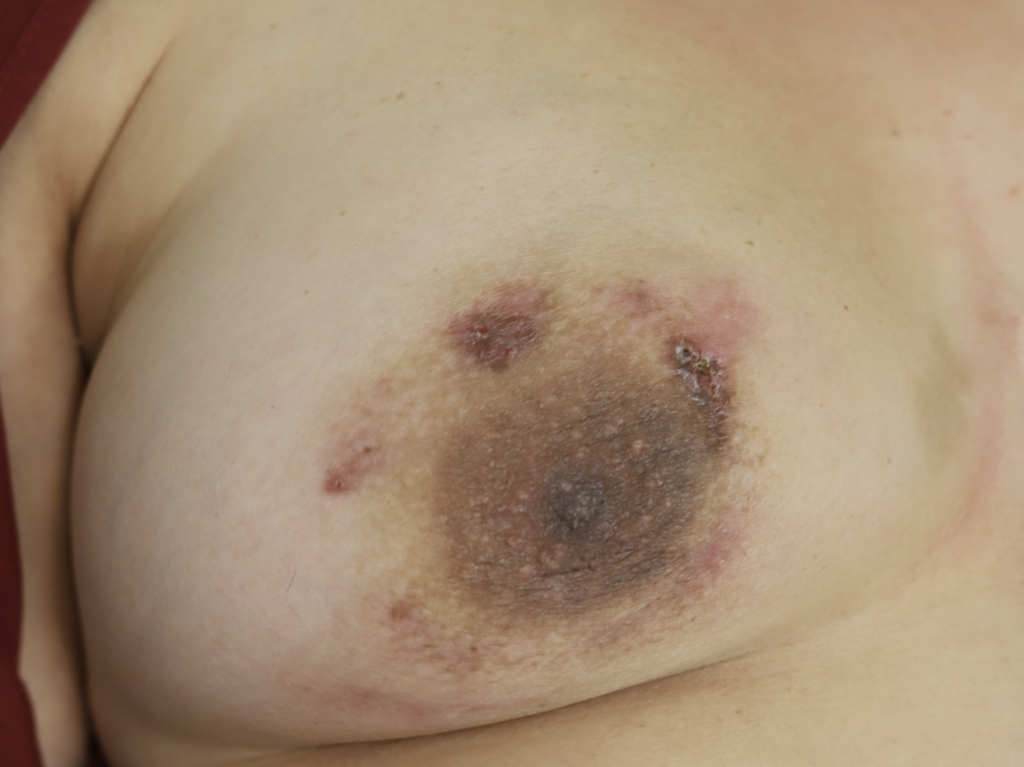
    Progression to skin ulceration and death postpartum.
    Progression to skin ulceration and then loss of skin in this area (necrosis)
    Screenshot 2023 08 04 at 2.40.49 PM
    Gigantomastia and profound breast lymphedema presenting prenatally.
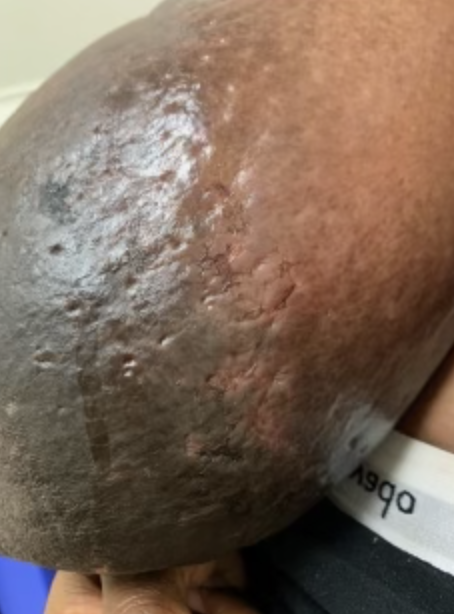
    Breast lymphedema
    Like chronic lymphedema (swelling) in the legs, this untreated breast lymphedema is starting to weep with interstitial (clear) fluid and the skin is breaking down. It will progress to skin necrosis if untreated.

    Engorgement, Lymphedema, and Pain

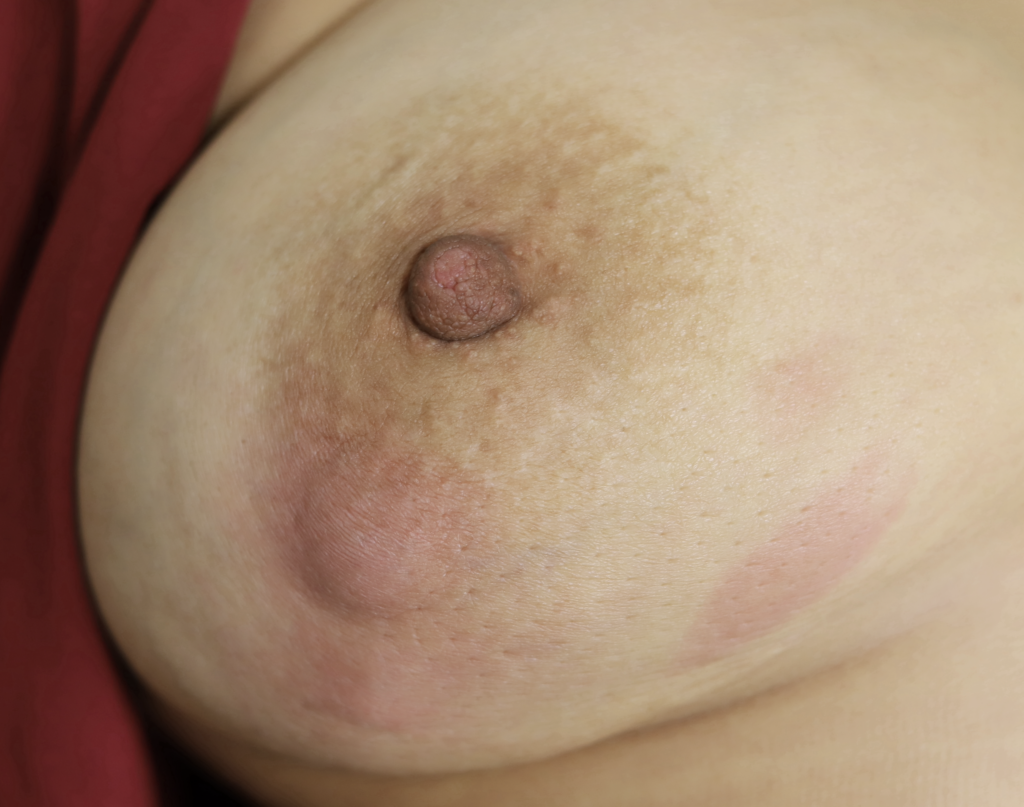
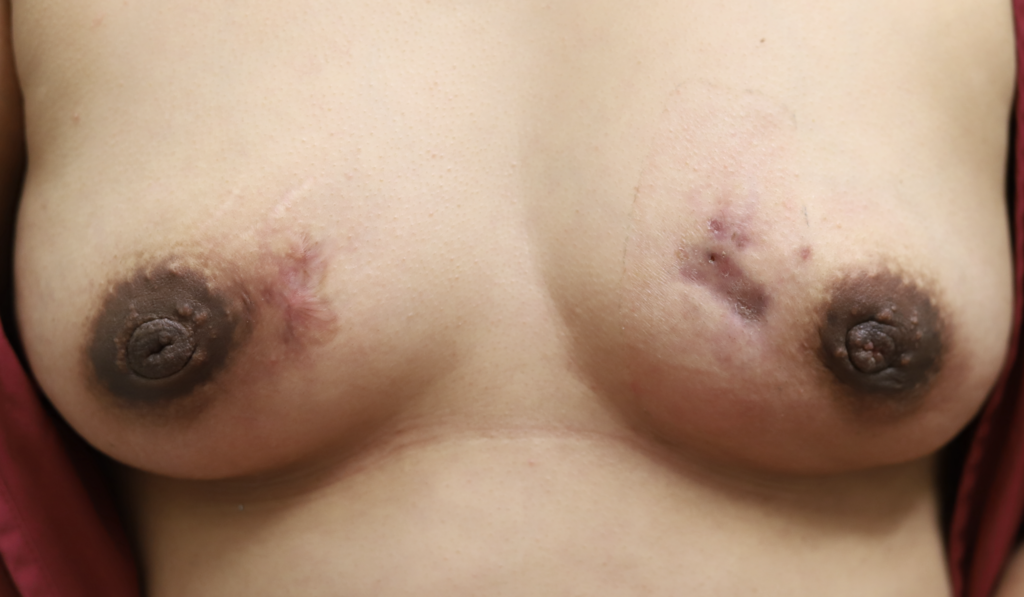
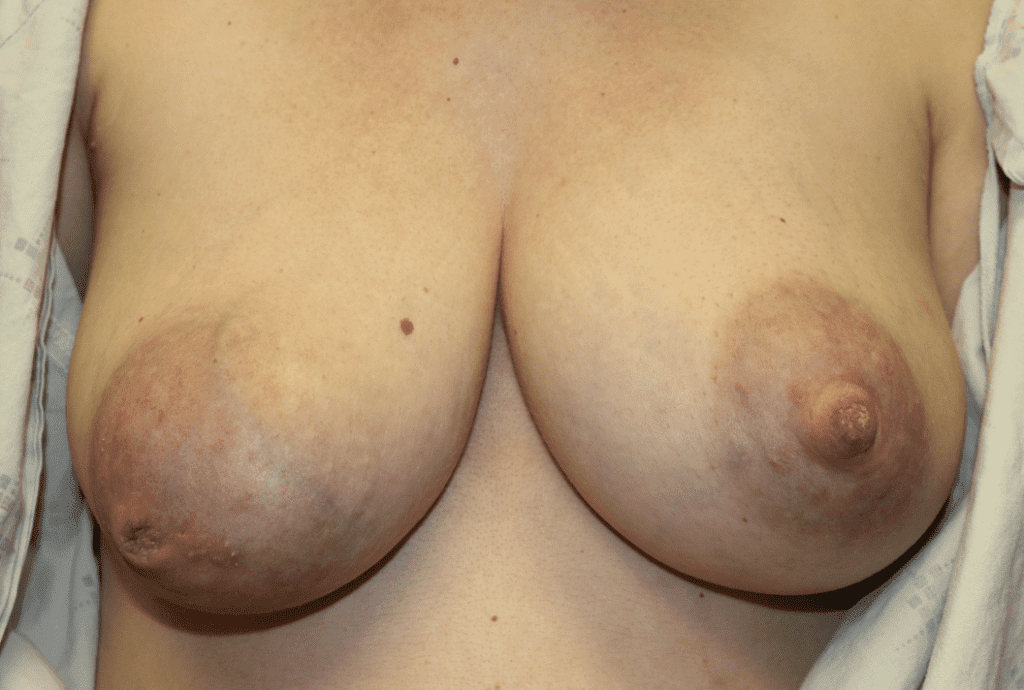
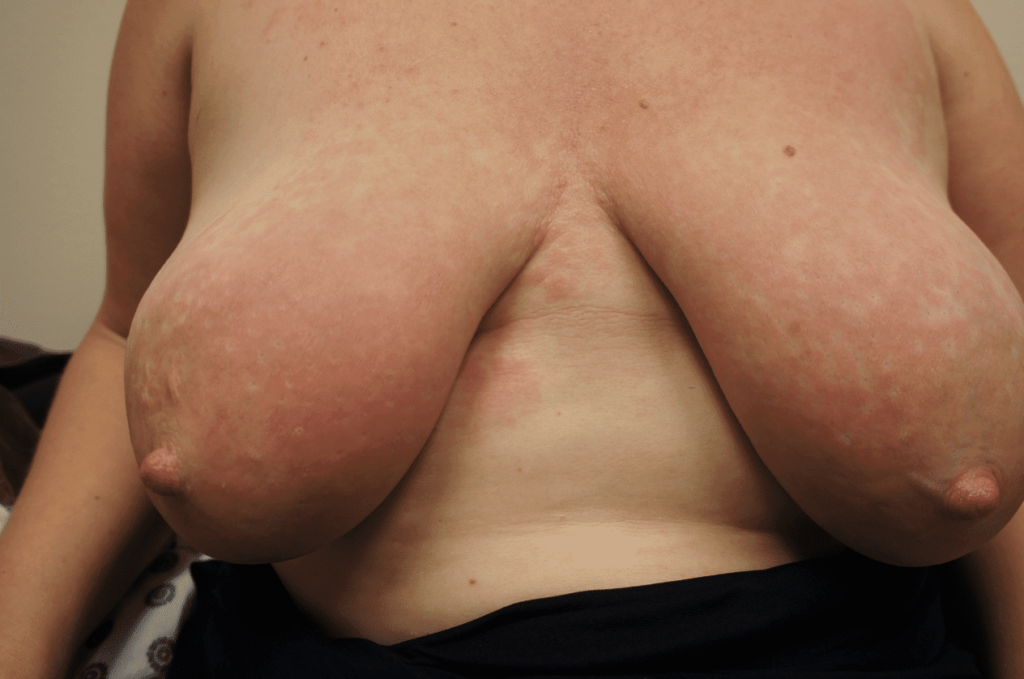
    Faint redness, swelling, and pain in a symmetric fashion in lower (dependent) portions of both breasts from breast growth and engorgement

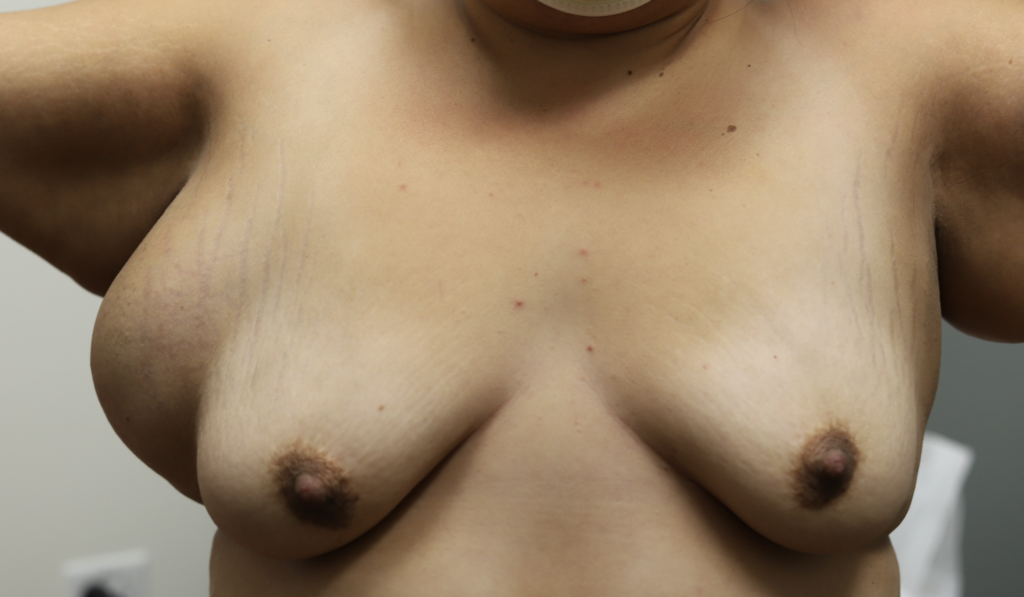
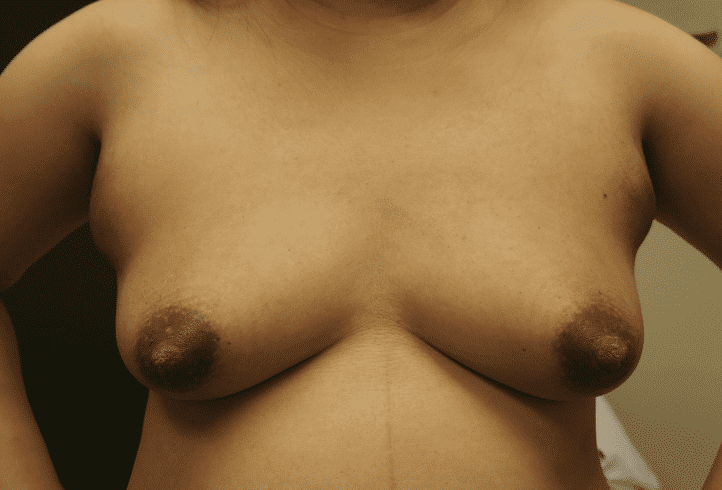
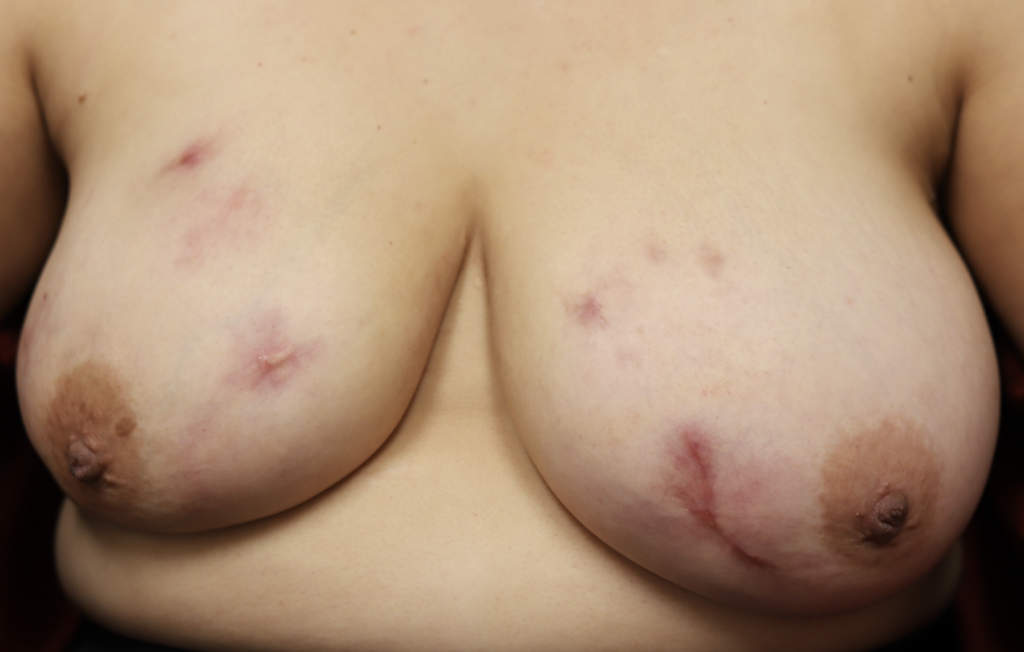
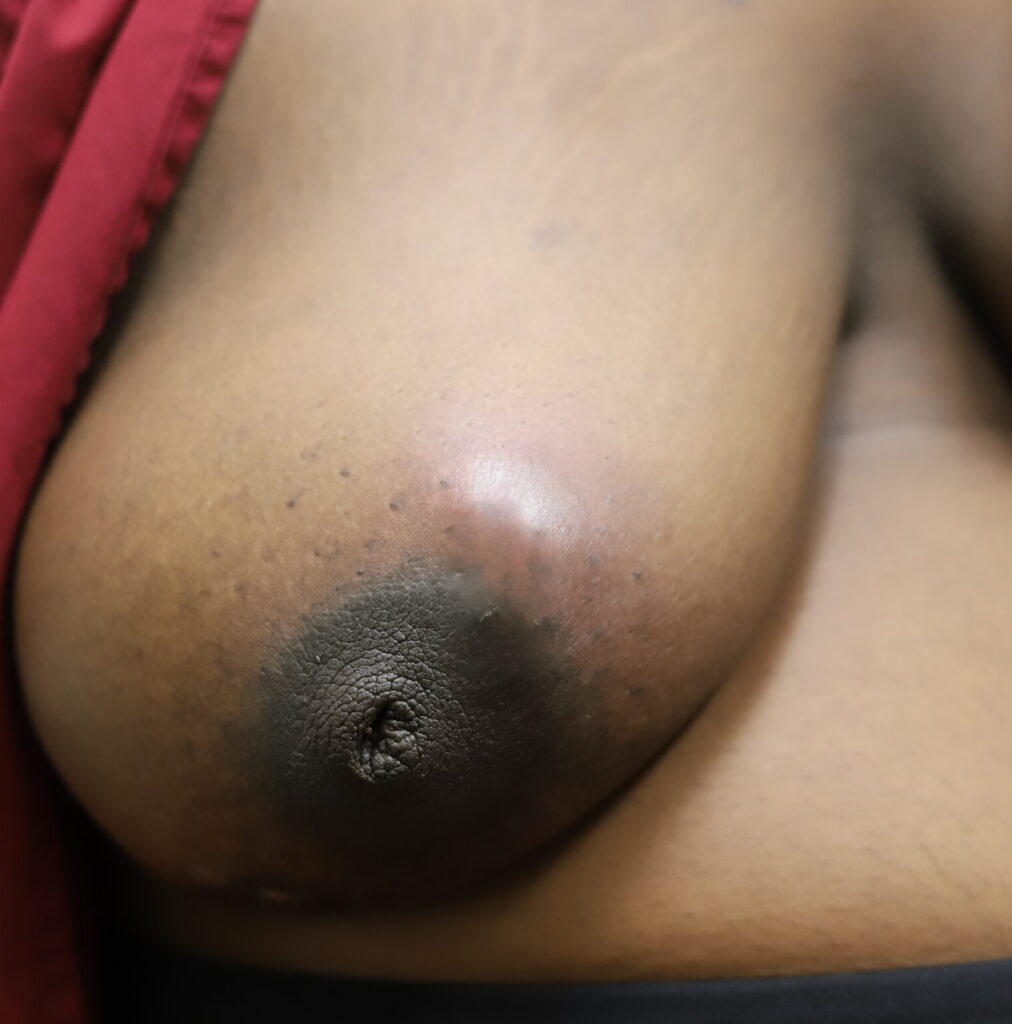
    As discussed in the Pregnancy and Birth section, women may experience breast lymphedema (swollen breast) and pain, particularly during periods of early breast growth in the first trimester and in the last trimester nearing childbirth.  This is more common than true gigantomastia. This discomfort is related to increase in the gland, blood vessels, and surrounding fluid.  Swelling and even pitting usually is most evident in the lower part of the breast, and can be pink or mildly reddish in color.  These cases also. can gain significant relief from lymphatic massage and supportive bras.  Any asymmetry in presentation warrants referral to a breast surgeon to evaluate for breast masses and/or inflammatory breast cancer.

    Lymphedema left breast
    Lymphedema with pitting and red tinge right breast (above), left breast (right) and bilateral appearance (below).
    Lymphedema left breast
    Lymphedema medial quadrants breasts size K
    chronic lymphedema of breast
    Chronic lymphedema with classic brown/brawny color changes. (This patient also had nipple trauma from exclusive pumping with small flange, high suction, and 30+ minutes of pumping at a time -> i.e. blood blisters)
    lymphedema
    Bilateral dependent lymphedema and stretch marks.
    breast lymphedema
    Multiple bra cup size growth during early pregnancy with lymphedema and pain and redness (symmetric and bilateral).

    Lactating Adenoma

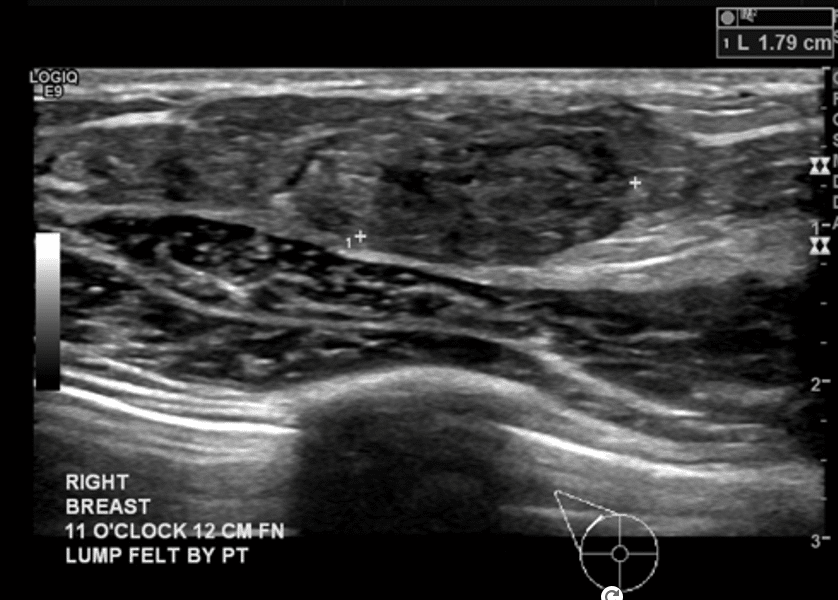
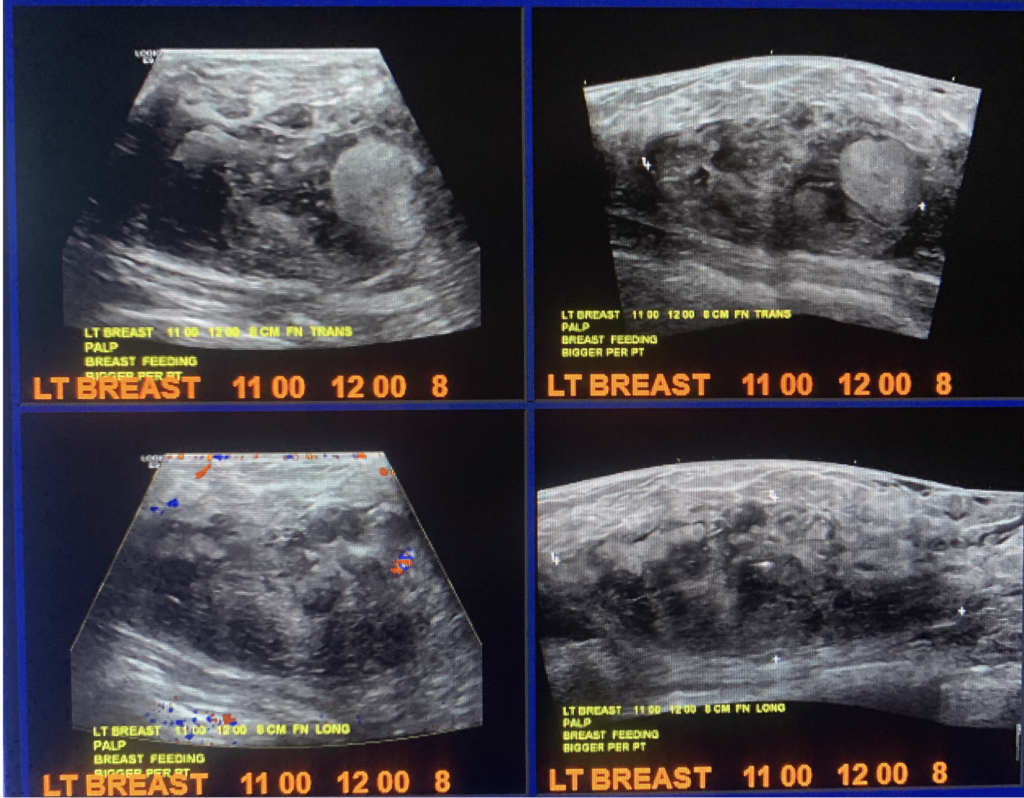
    Lactating adenomas are benign (non-cancerous) masses comprised of dense glandular tissue and most commonly occur in the upper outer part of the breast They can present during pregnancy or lactation and likely are related to hormonal stimulation. They may become large; however, they reduce in size as a woman progresses further in the postpartum period and eventually disappear when lactation is complete.  They can appear similar to fibroadenoma on breast imaging, as smooth, oval lesions.  Diagnosis can be confirmed with a core needle biopsy, but they do not require surgical excision.  

    Xray of Right Breast after a lump was felt by the patient
    Classic ultrasound appearance of lactating adenoma (between crosses on image) with underlying muscle and ribs visible.
    Lactating adenoma
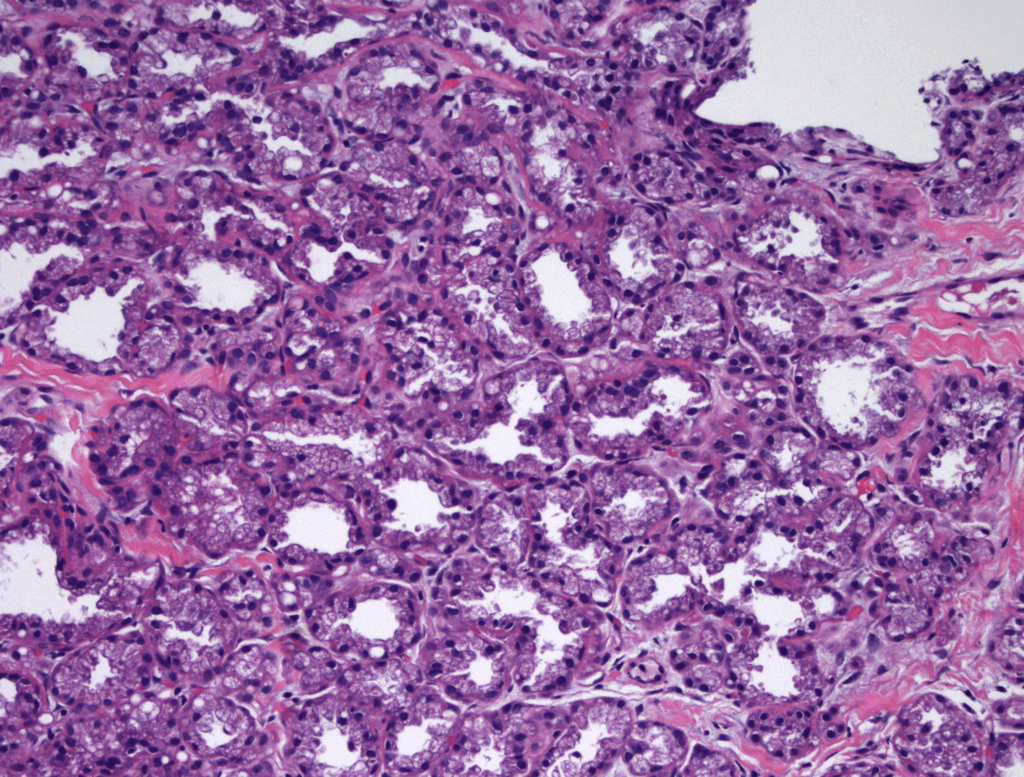
    Lactating adenoma under the microscope ... this is what lactating breast tissue looks like! All the purple is the alveolar (milk-making cells) and their storage space (white). Interspersed are some very tiny ducts and connective tissue (pink). This is what you're feeling when you're feeling "lumpy" breast tissue! It's not a "clog" of milk!

    Axillary Tissue

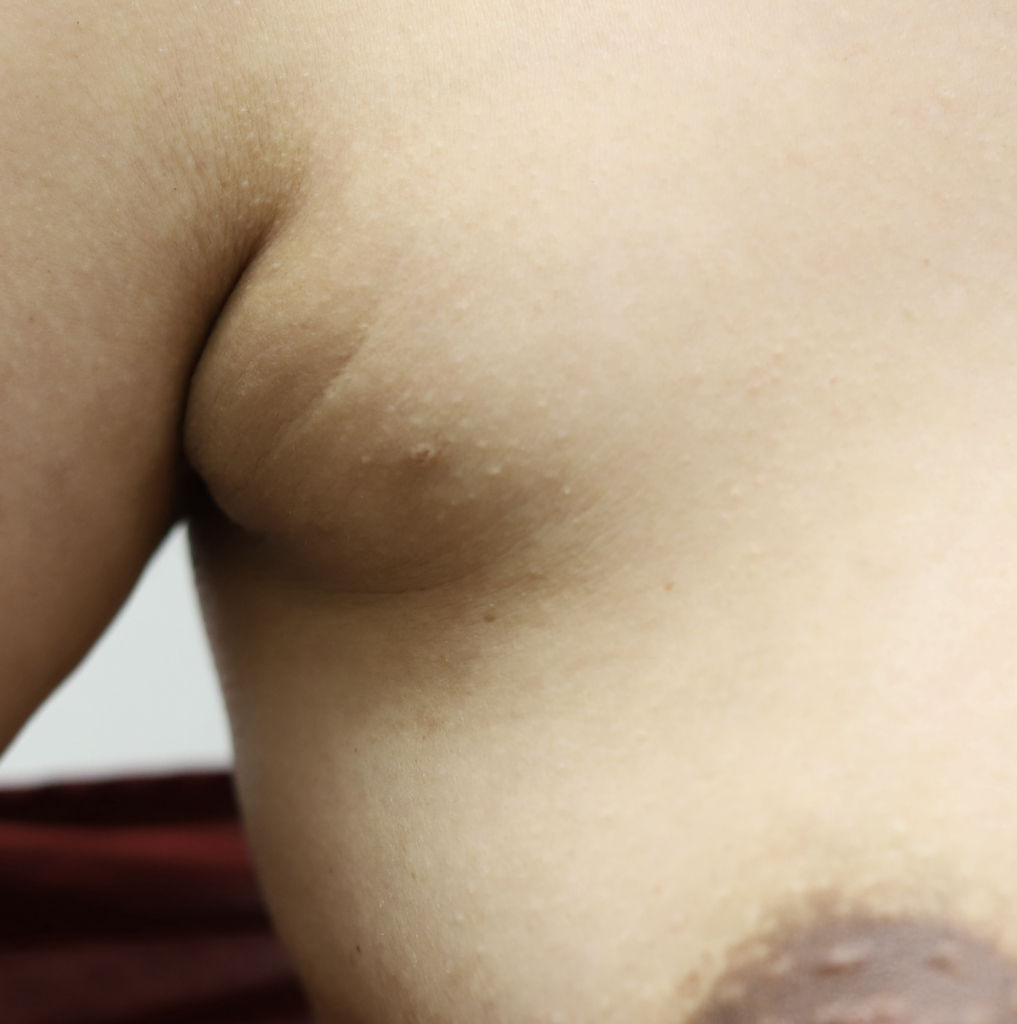
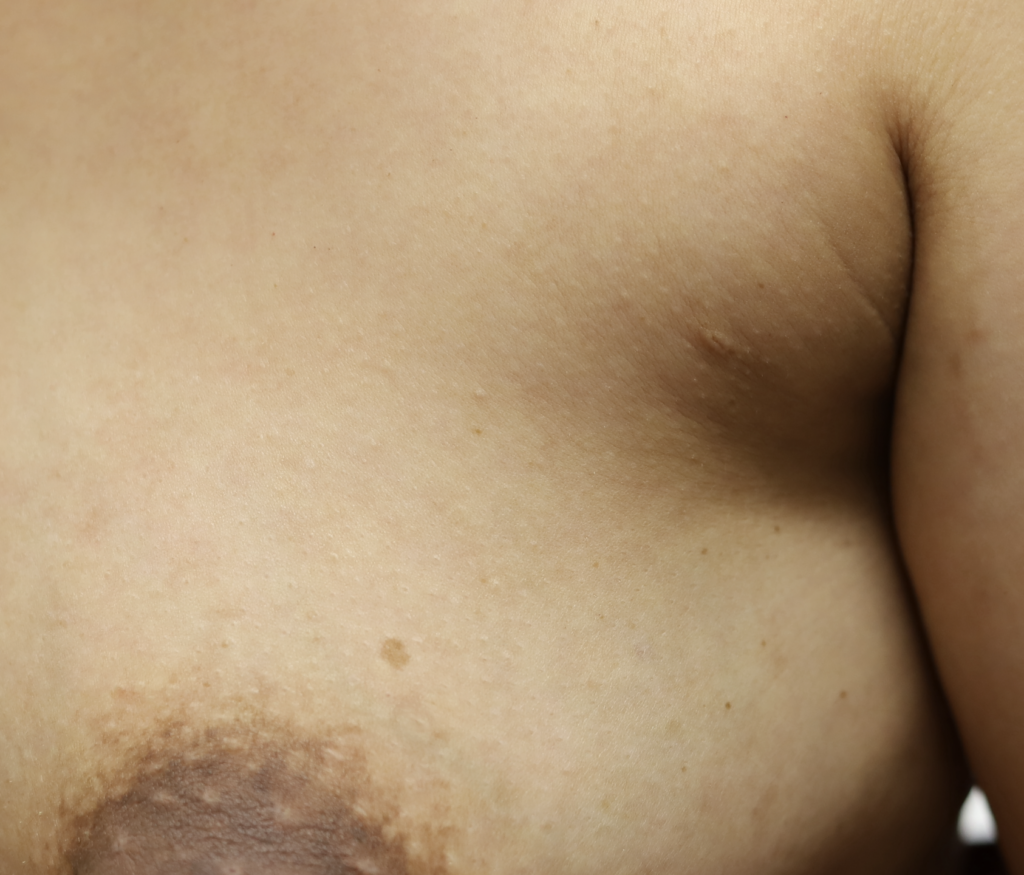
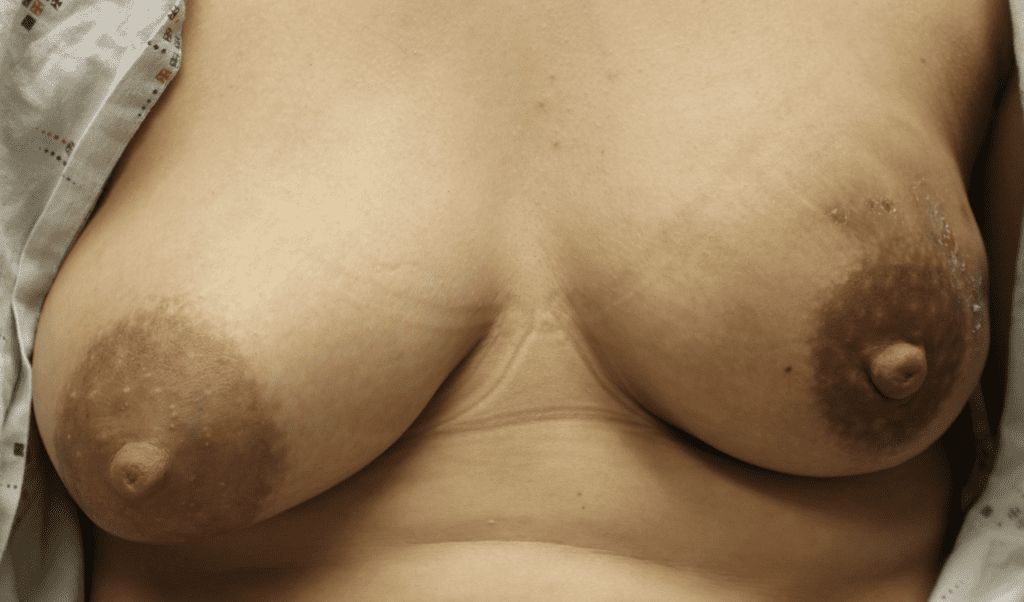
    Accessory breast tissue in the axilla (under the arm) is common. It often grows during pregnancy and lactation. If not stimulated, it will regress within one week. Do not massage the accessory tissue as this can cause trauma and swelling. Treat with Top images: Early inflammatory mastitis. Bottom images: Resolved with BAIT (Breast Rest, Advil, Ice, Tylenol) no massage, no overfeeding or pumping, and therapeutic ultrasound.. It can be excised between pregnancies if extremely bothersome, or after childbearing is complete.

    Classic appearance of axillary breast tissue.
    Classic appearance of axillary breast tissue.
    accessory breast tissue
    Accessory breast tissue
    extra nipples
    Right and left accessory breast tissue and nipples.
    extra nipples
    Axillary lipoma
    This is not accessory breast tissue, but a benign (non-cancerous) fatty mass called a "lipoma." This is determined by the very large size, shape, and imaging showing a discrete, encapsulated fatty mass and no presence of breast tissue.
    accessory breast tissue
    accessory breast tissue
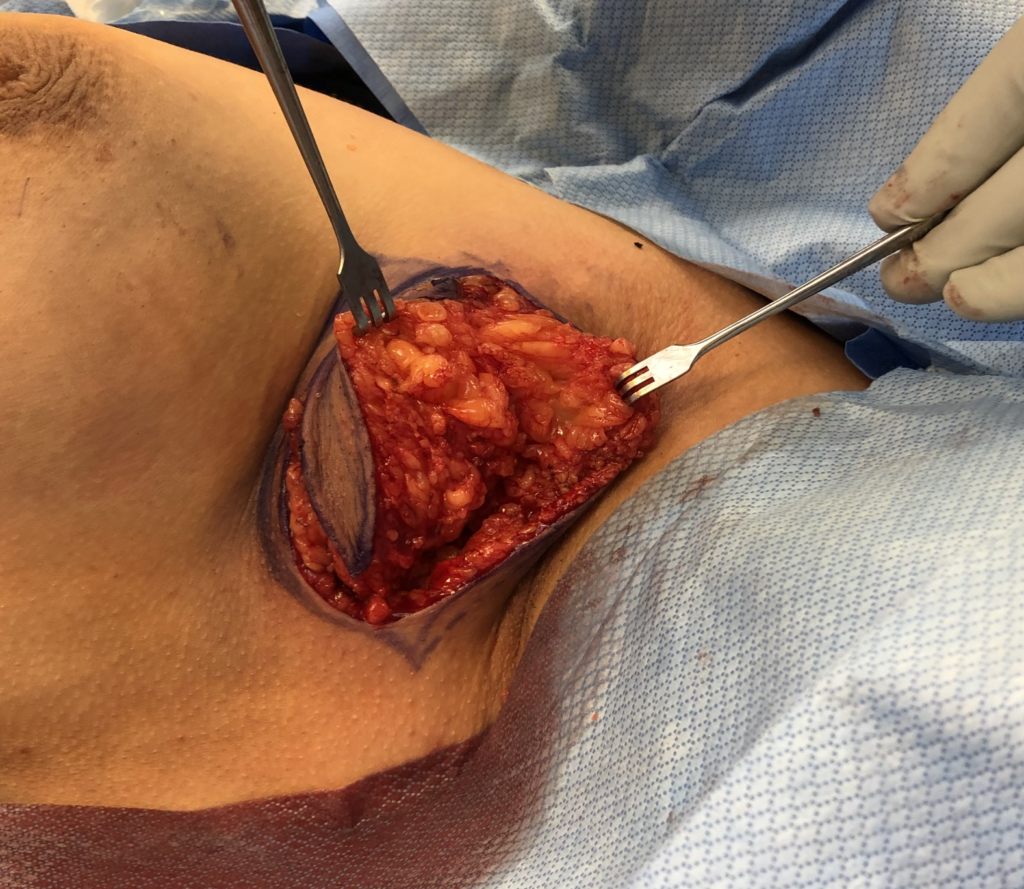
    excision of accessory breast tissue
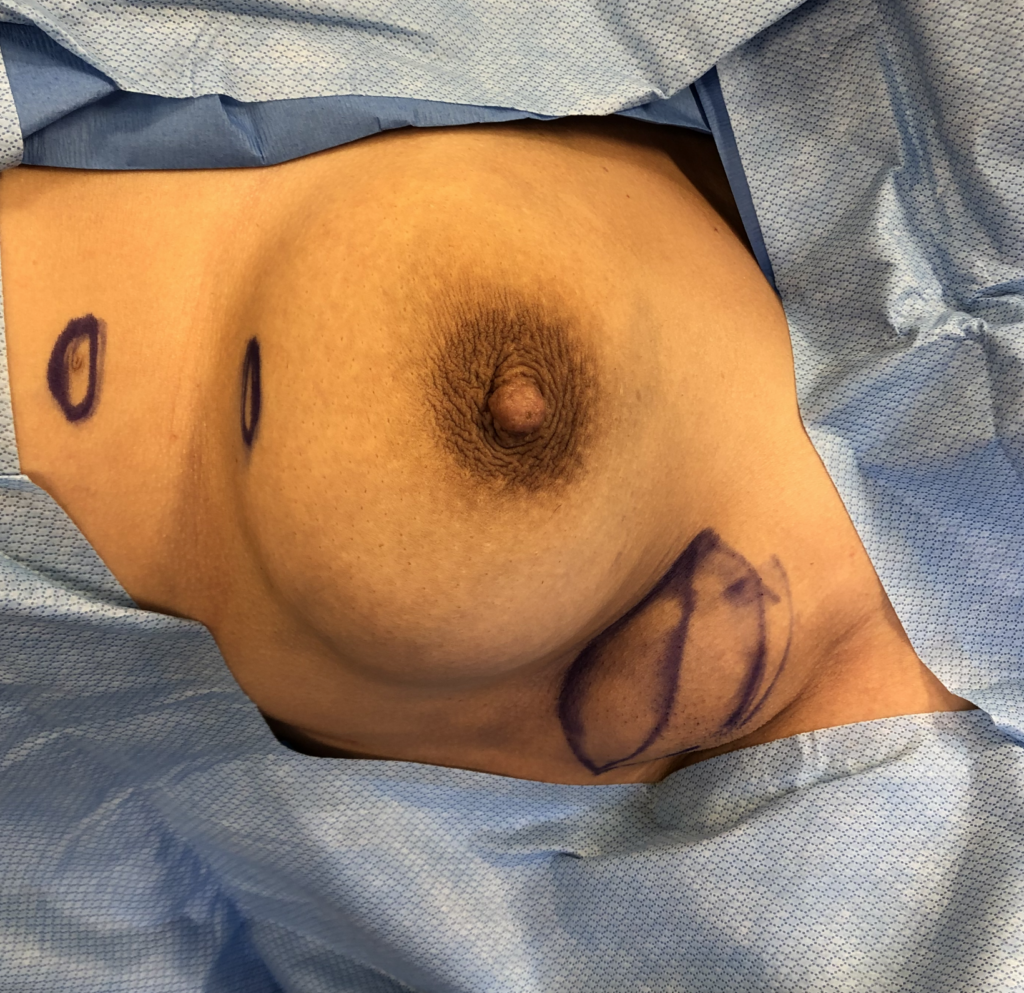
    This patient had a very symptomatic large area of accessory tissue for which we proceeded with resection after she finished breastfeeding.  Also note she has an accessory nipple (circled below the breast).

    Lymph Nodes

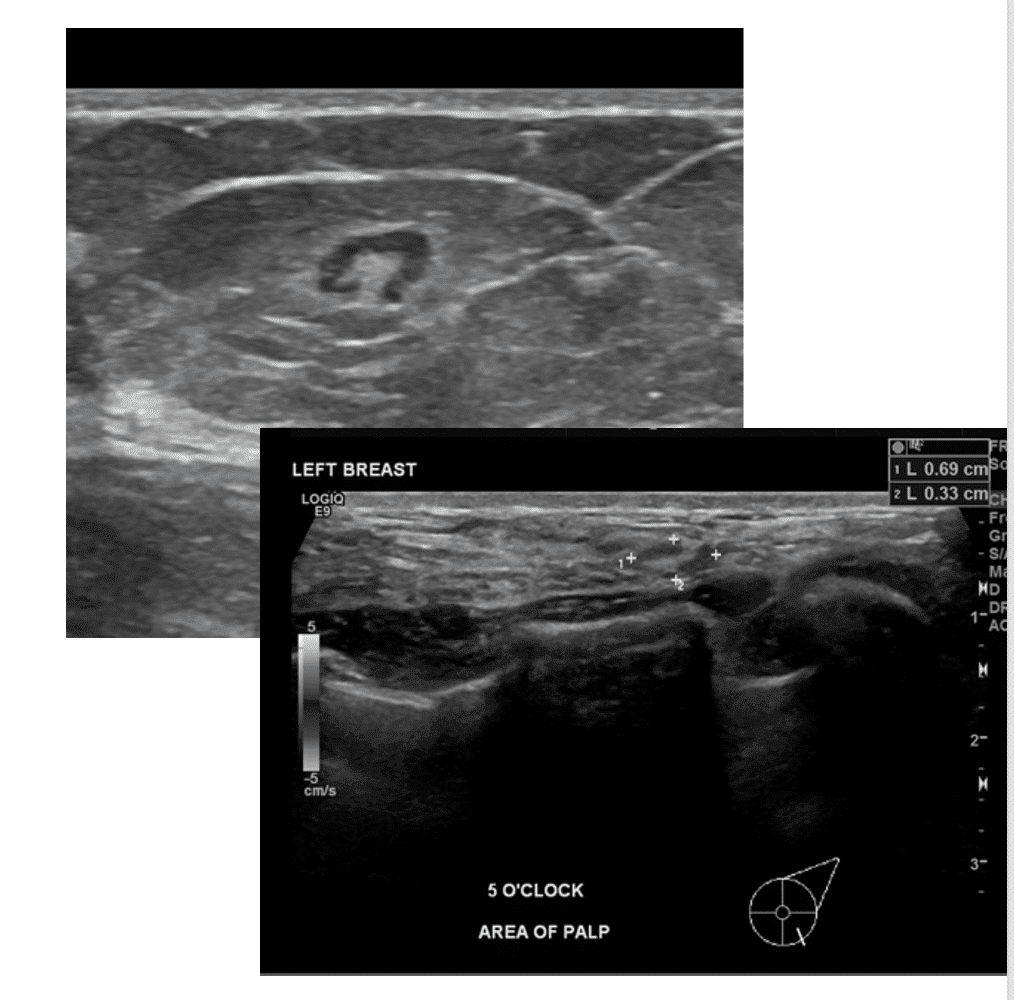
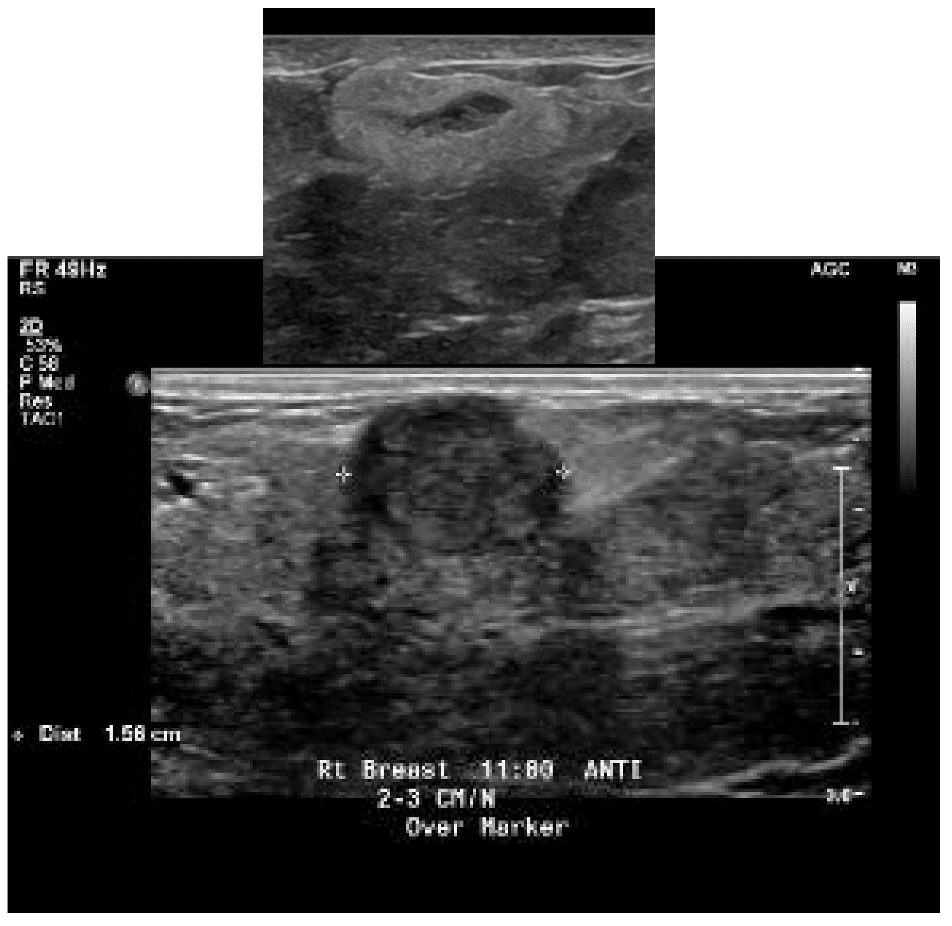
    Intramammary lymph nodes with normal fatty hilum (central aspect) and size (bean shaped structure on upper image and outlined with crosses on lower image). The fatty hilium is lost when a lymph node is involved with cancer.
    Intramammary lymph nodes with normal fatty hilum (central aspect) and size (bean shaped structure on upper image and outlined with crosses on lower image). The fatty hilium is lost when a lymph node is involved with cancer.
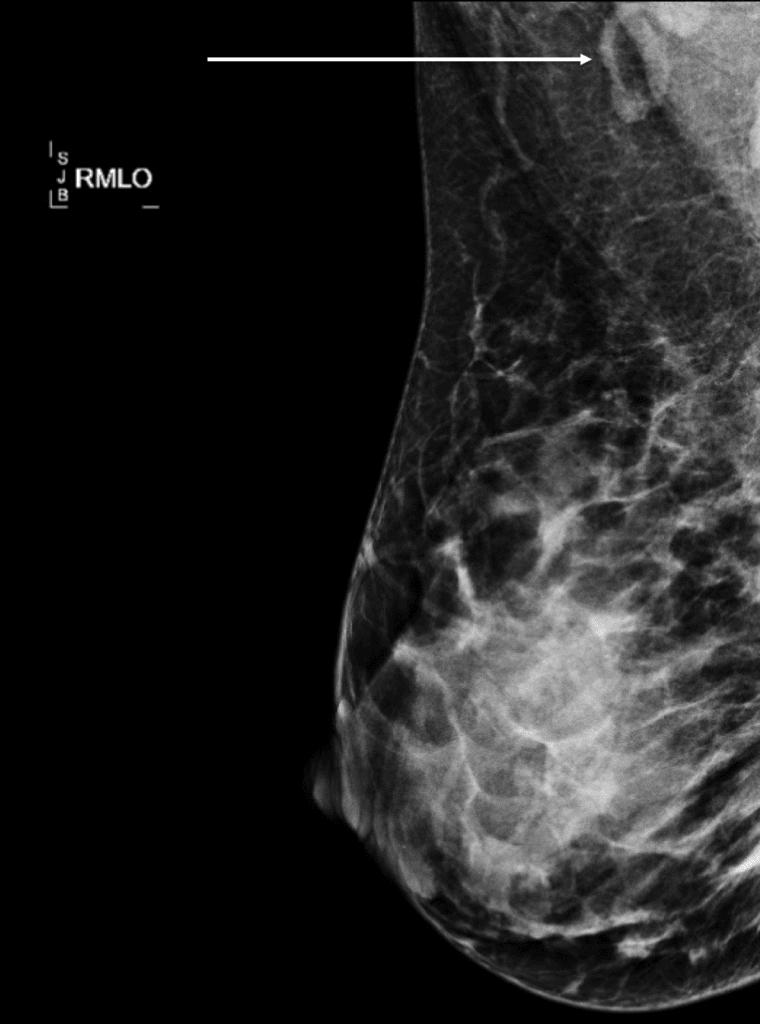
    Normal lymph node under arm (axilla) visualized on mammogram.
    Normal lymph node under arm (axilla) visualized on mammogram.

    Fat Necrosis

    Fat necrosis (literally, death of fat cells) is a common phenomenon and can occur after trauma or breast surgery. It can feel worrisome and look worrisome on imaging, but and sometimes needle biopsy is necessary to confirm the diagnosis

    Ultrasound appearance of fat necrosis.
    Ultrasound appearance of fat necrosis.

    Idiopathic Granulomatous Mastitis (IGM or GM)

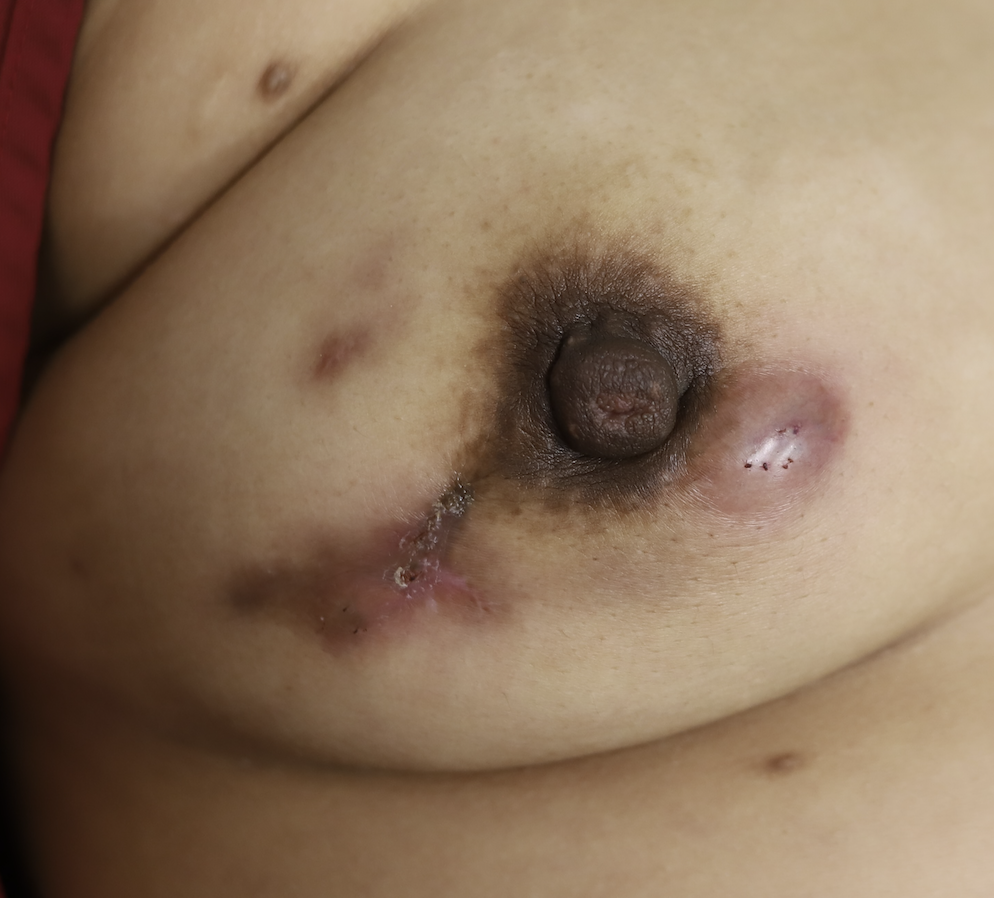
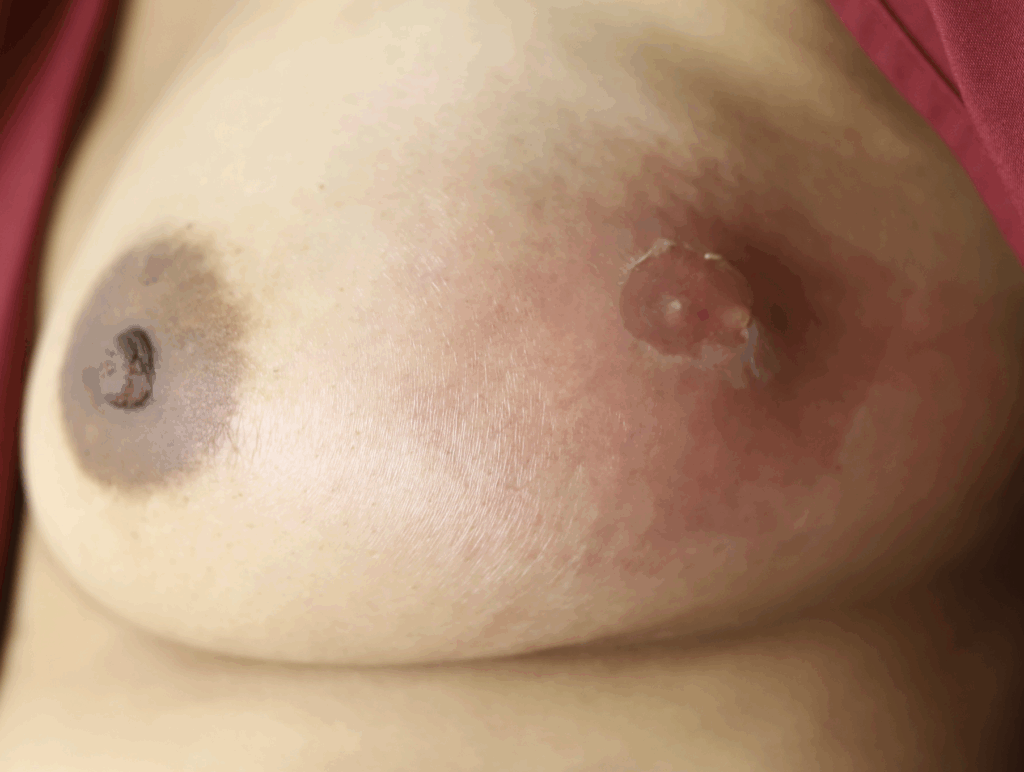
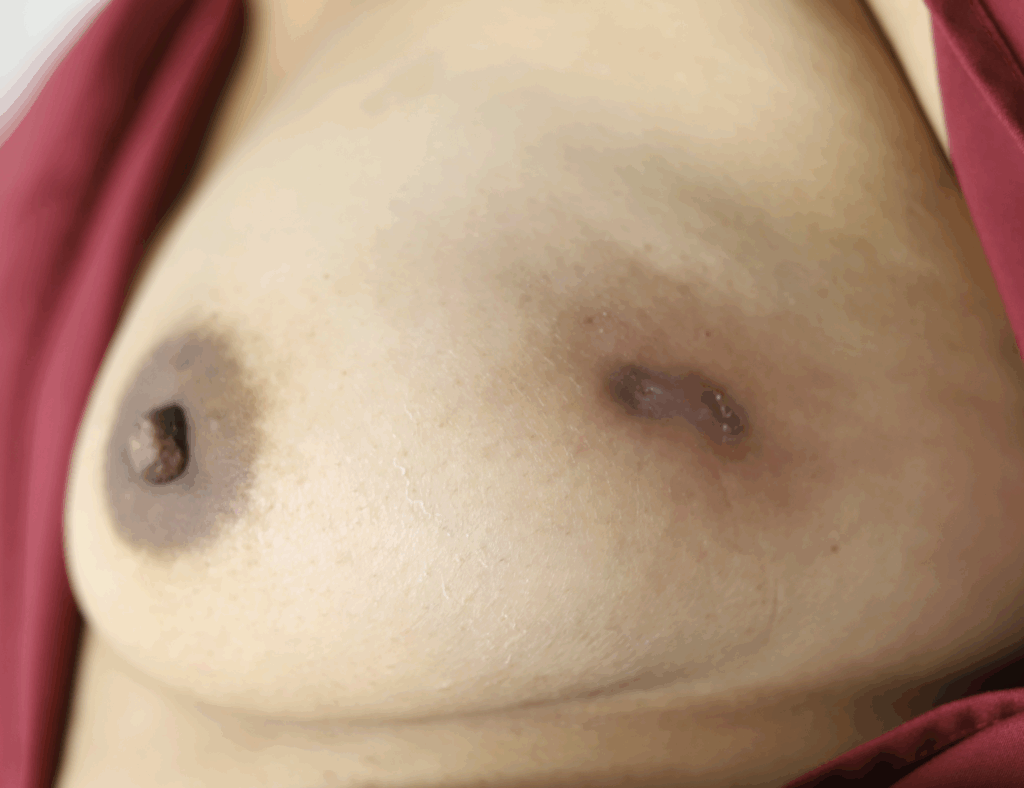
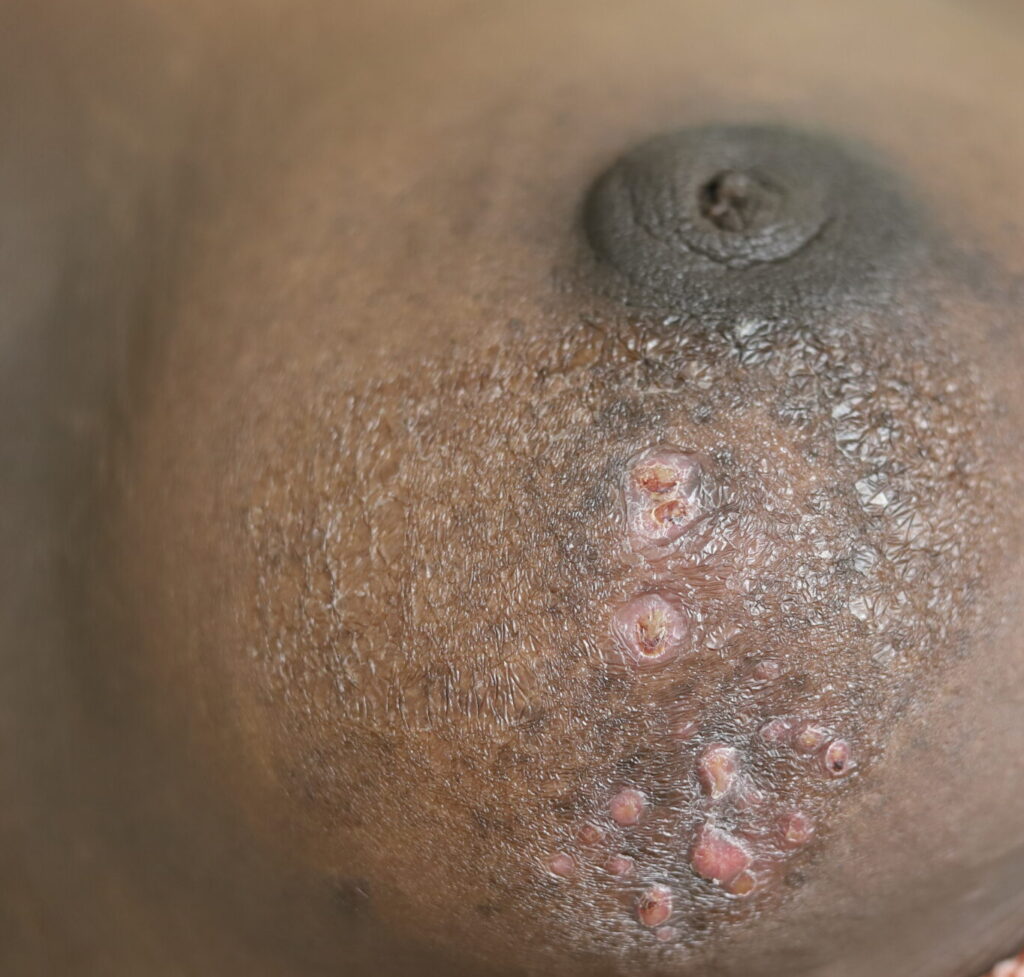
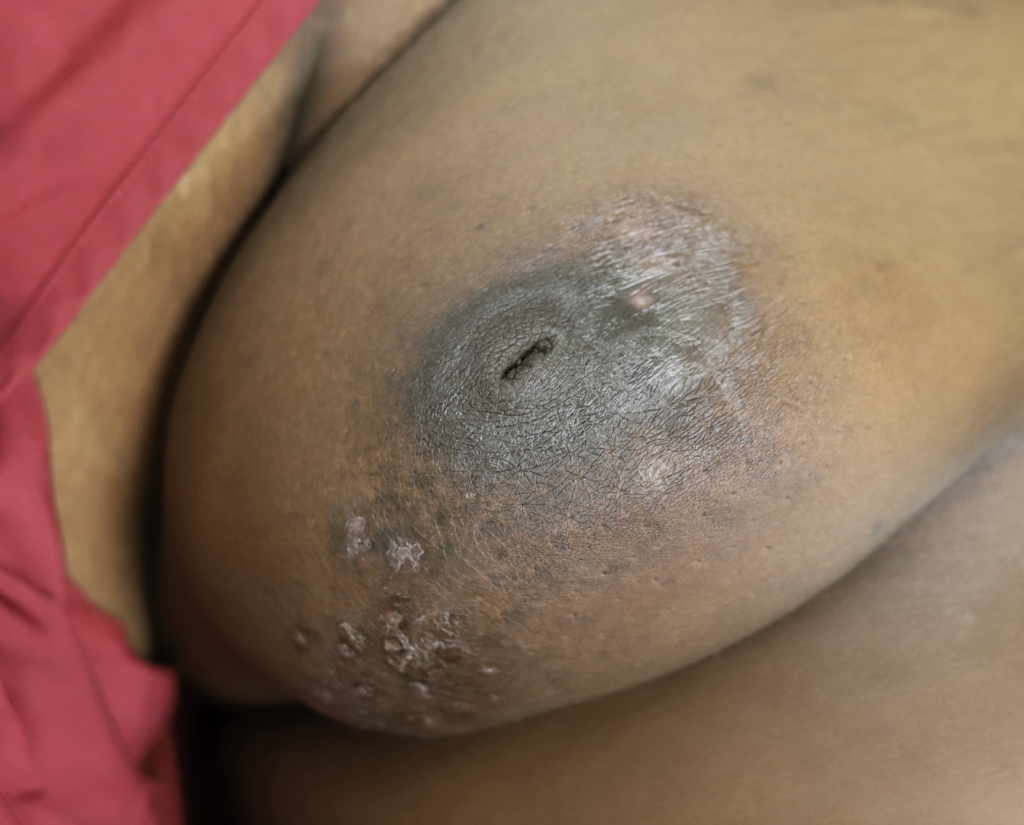
    Idiopathic granulomatous mastitis (IGM) is an inflammatory disorder affecting the breast of young women in their childbearing years, and can overlap with lactation and pregnancy It can result in development of painful inflammatory masses, fluid collections, and fistula formation.  While breastfeeding from the affected breast in the setting of IGM is safe, many mothers report significant pain and difficulty with latch or milk production.  

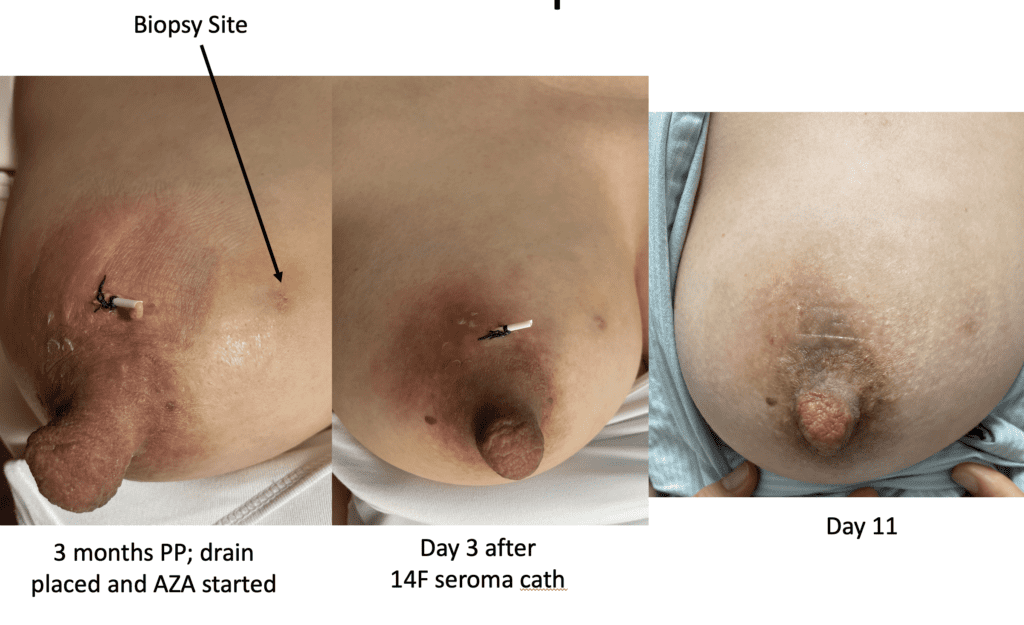
    The definitive treatment for IGM is immunosuppression with the oral medications methotrexate (not safe with lactation or pregnancy) or azathioprine (safe with pregnancy and lactation).  This case report describes continued breastfeeding and resolution of IGM with azathioprine therapy.

    A really amazing addition to IGM treatment has been low dose naltrexone (LDN).  One of my patients resolved her flaring IGM after a functional medicine doctor started her on LDN for general wellness.  I had another patient who was refractory to both methotrexate and azathioprine (i.e. thought to be the curative treatment) who received LDN from a different functional medicine doctor and also resolved her disease.

    I then researched the pretty extensive literature on low dose naltrexone use in Crohn’s Disease (an inflammatory bowel disease that shares a lot of similarities with IGM).  Naltrexone is a medication that is traditionally used for recovery from drug and alcohol abuse. 

    However, it was inadvertently discovered when tapering patients off of naltrexone in their sobriety that the very lowest doses of naltrexone exhibited a significant anti-inflammatory effect on the body.  This includes being anti-inflammatory on a neuronal level, stabilizing epithelial barriers, reducing endoplasmic reticulum stress, reducing cytokine production, and having various impacts on T cells.  

    The results in Crohn’s Disease have been extremely promising.  In one study, 75% of patient had resolved their symptoms and 25% had experienced a significant improvement.  I have a lot of the studies linked here on the resources/medical publications section of my website.

    Screenshot 2025 02 28 at 1.14.51 PM

    I have had similarly impressive results in my IGM patient population.  I first prescribed LDN in the summer of 2024, and the patient resolved completely by the fall.  Many others have resolved within just a month or two.  All have experienced improvement within a month.  Only one of my patients has remained symptomatic, but her disease is far better and far less painful than before (consistent with the Crohn’s Disease literature).  Some of these patients are pictured below – keep scrolling :).

    As this is a completely new approach to treating IGM, there is no set “regimen” for dosing.  Given that I had never prescribed it before, I started initially in my patients with 1.5 mg for one month, increased to 3.0 mg the next month if not totally resolved, and then 4.5 mg the next month if not totally resolved.  The Crohn’s Disease clinical trial in Europe (linked on the resources/medical publications section of my website) is studying patients on 52 weeks of 4.5 mg before considering tapering.  

    Given that patients are tolerating this medication without any side effects other than possibly some more vivid dreams than usual, I may start prescribing 4.5 mg at the outset — depending on the severity of disease (since I have had patients with more mild disease resolve at 1.5 mg).  The only downside of this medication is that it isn’t covered by insurance (it’s about $50-60 cash per month) and it has to be obtained at a compounding pharmacy (i.e. not your regular CVS, Walgreens, etc).  This is because the medication has to be “compounded” (the 50 mg tablet is broken down into the very small doses and put into a capsule).  Most communities (even small ones like where I live) have themLow dose naltrexone for IGM Example of a prescription from one of our local compounding pharmacies. Because the cost of 1.5 mg is the same as 3.0 mg and I anticipated increasing this patient’s dose from 1.5 to 3.0 mg, I prescribed it twice daily so we could titrate. However, once on a stable dose, I prescribe it once a day at bedtime.

    A few other breast surgeons have now tried LDN, all with improvement in their patients as well.  If you’re a surgeon reading this website and you start using this medication, please reach out as it would be great to get the largest patient cohort possible to publish this in the medical literature eventually.

    Another option for treating a flare of IGM is a steroid injection into the affected breast.  This video that I presented at the American Society of Breast Surgeons in Boston spring 2023 illustrates this procedure:

    Without access to formal ultrasound, a simpler approach is illustrated in the below video:

    PharmD Phil Anderson, who runs LactMed at the NIH, initially suggested that the infant would receive a large oral dose of steroid if they breastfed after injection.  However, the dose of steroid is still lower than what would be used to treat infants for certain conditions.  A more recent case report demonstrated no steroid in breastmilk and our subsequent report of a higher dose of steroid confirmed negligible transfer.

    Oral steroids will reduce milk in both breasts rather than just the breast where the steroid is injected.  However, if a mother has very high milk production in general, she may not notice a difference.  Steroids also can cause significant insomnia and anxiety in patients taking them, so this should be considered in postpartum patients who are already at risk for mood and anxiety conditions.  Below is an image and video of a mom taking oral steroids and breastfeeding from her breast with IGM.
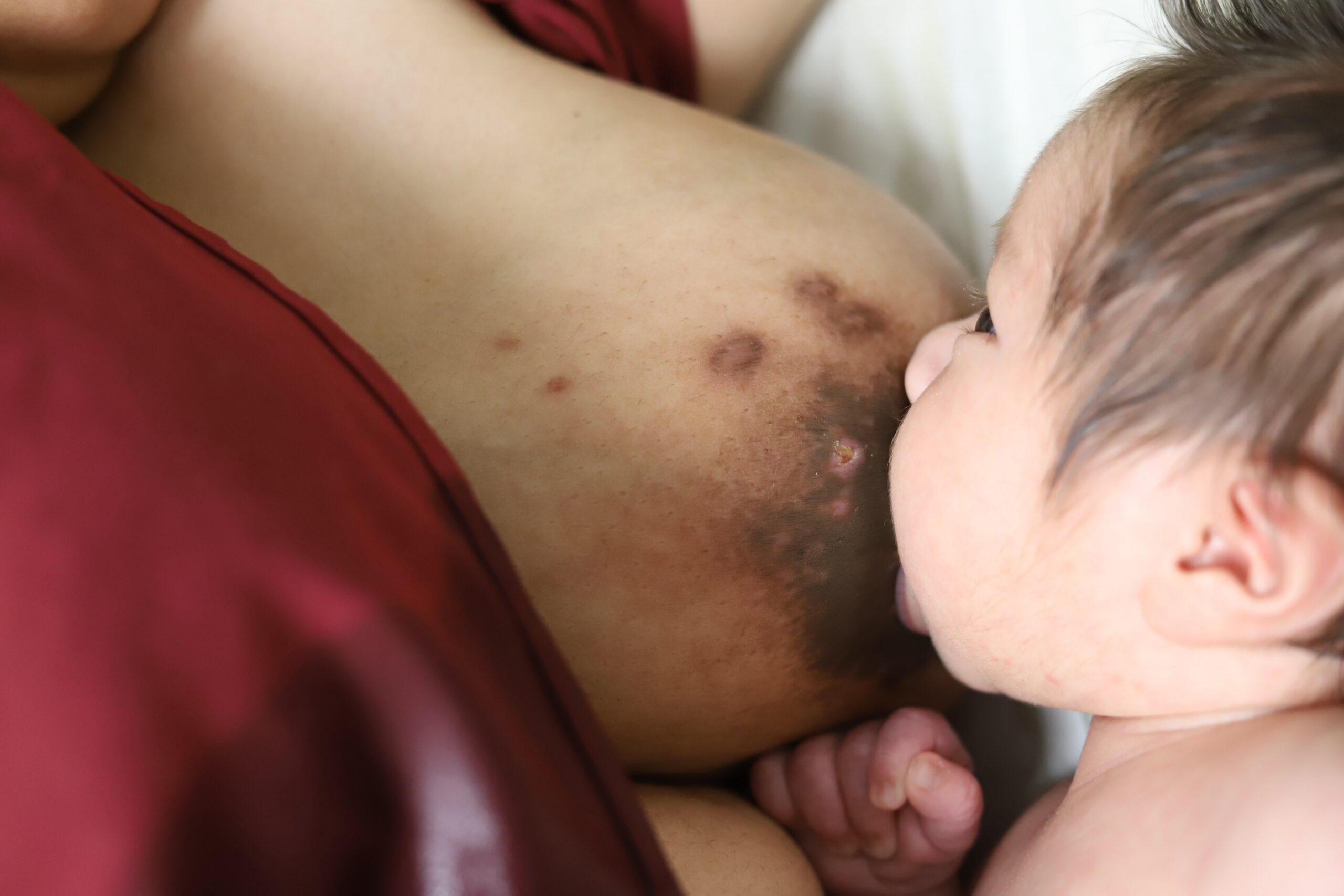
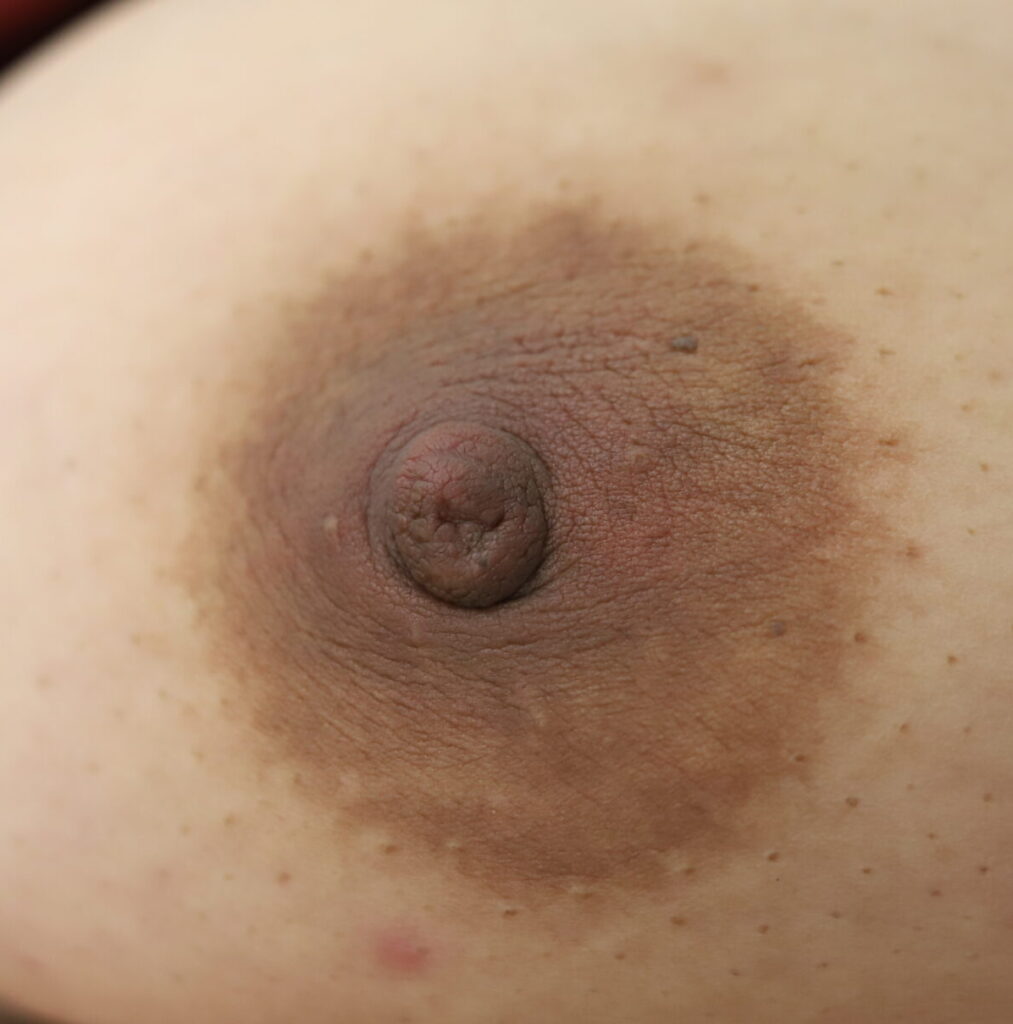
    IGM breastfeeding

    Mothers also may elect no treatment during lactation; fluid collections, fistula formation, and other symptomatology can be managed on an as-needed basis. 

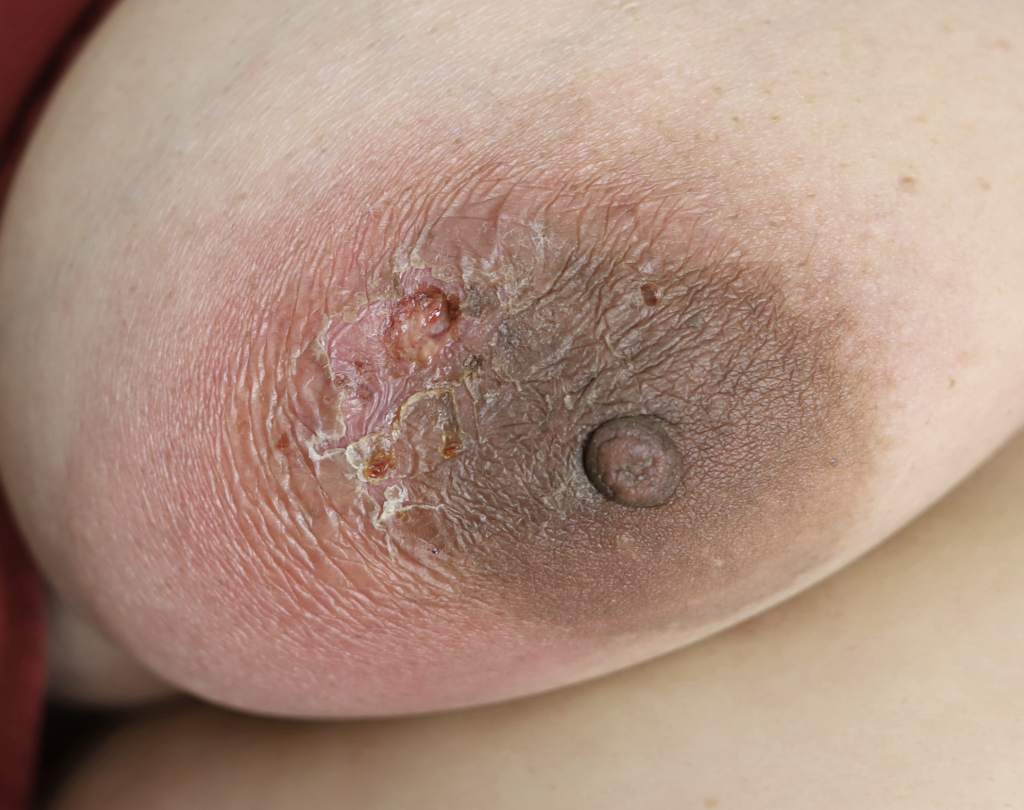
    IGM right nipple
    granulomatous mastitis
    It worsened with new fistula formation.
    IGM rapid progression nipple up close
    IGM can flare extremely quickly. This patient presented with nipple pain and swelling and very faint redness on a Friday (left), and by Monday (above), the patient had developed marked swelling and worsening redness and pain.
    right breast IGM with improvement after AZA
    After starting azathioprine, the patient's symptoms started to drastically improve (above). She stopped the azathioprine because she thought it had done its job. However, she then experienced a new flare with nipple inversion.
    IGM flare off AZA then starting to improve again
    IGM resolved after 3 months AZA
    After three consistent months of azathioprine, the patients asymptomatic and her nipple remained everted.
    Screenshot 2024 07 24 at 1.58.42 PM
    The patient had another baby and the area remained healed on azathioprine.
    Screenshot 2024 07 24 at 1.59.06 PM
    She exclusively breastfed this baby, including on the previously affected right breast. Great outcomes all around!
    IGM postpartum
    IGM postpartum (Photo: Emily Ho, MD)
    IGM new drainage right breast
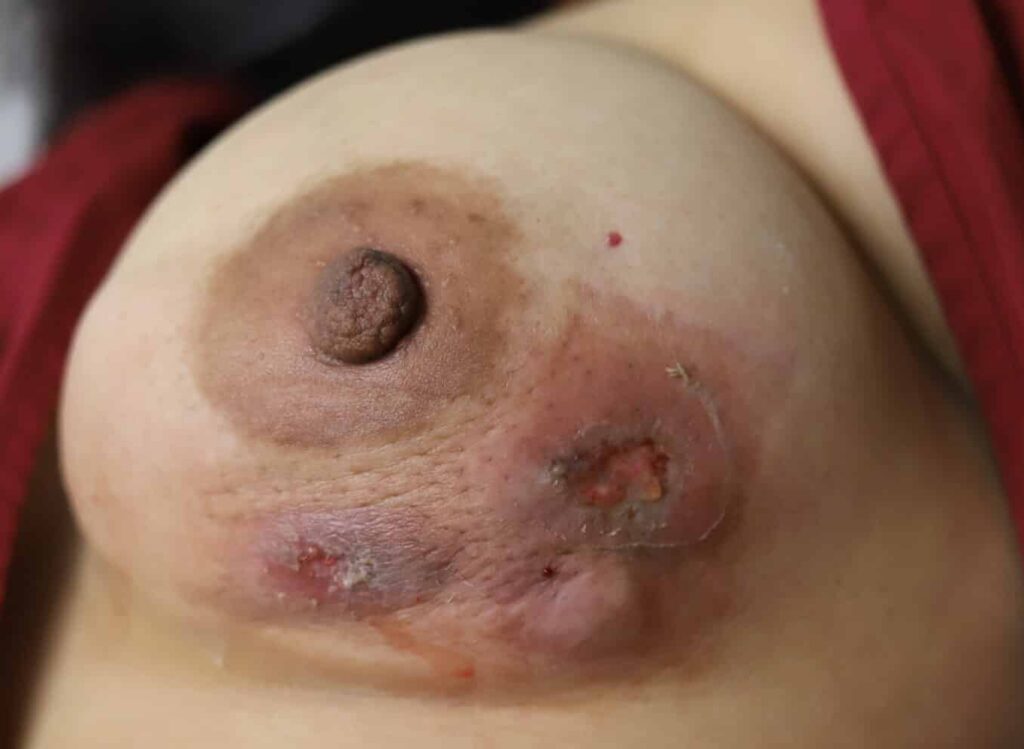
    This patient had more slow onset of a mass, redness, and skin changes. Biopsy confirmed granulomatous mastitis.
    right IGM flaring through AZA
    Though initially presenting only with a large mass, this patient unfortunately went on to flare despite starting azathioprine (oral medication/immunosuppresion). It does sometimes take a few months for a patient to notice dramatic improvement on azathioprine, and it does suppress even worse flaring. These wound resulted from fluid collections the patient had developed at the start of her azathioprine therapy, and the treatment definitely prevented this from getting worse.
    IGM healing on AZA
    Underlying masses and wounds starting to close after three months on azathioprine.
    IGM healing
    Continued healing on azathioprine, three months later.
    IGM resolved on azathioprine
    Now resolved on azathioprine.
    Screenshot 2023 09 13 at 3.36.43 PM
    Unfortunately, after resolving with azathioprine, the patient experienced significant new life stressors and developed a new flare. At this point, we drained the fluid, injected steroid, and the rheumatologist increased her azathioprine dosing.

    Drainage of recurrent fluid collection and injection of steroid:

    past IGM right breast
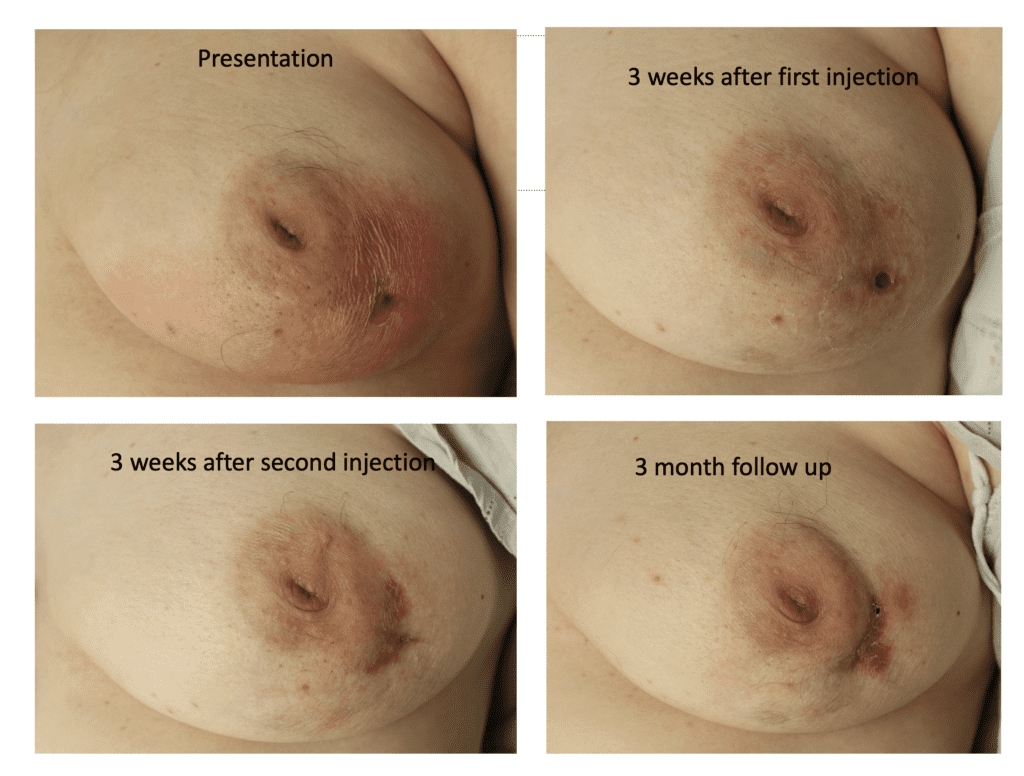
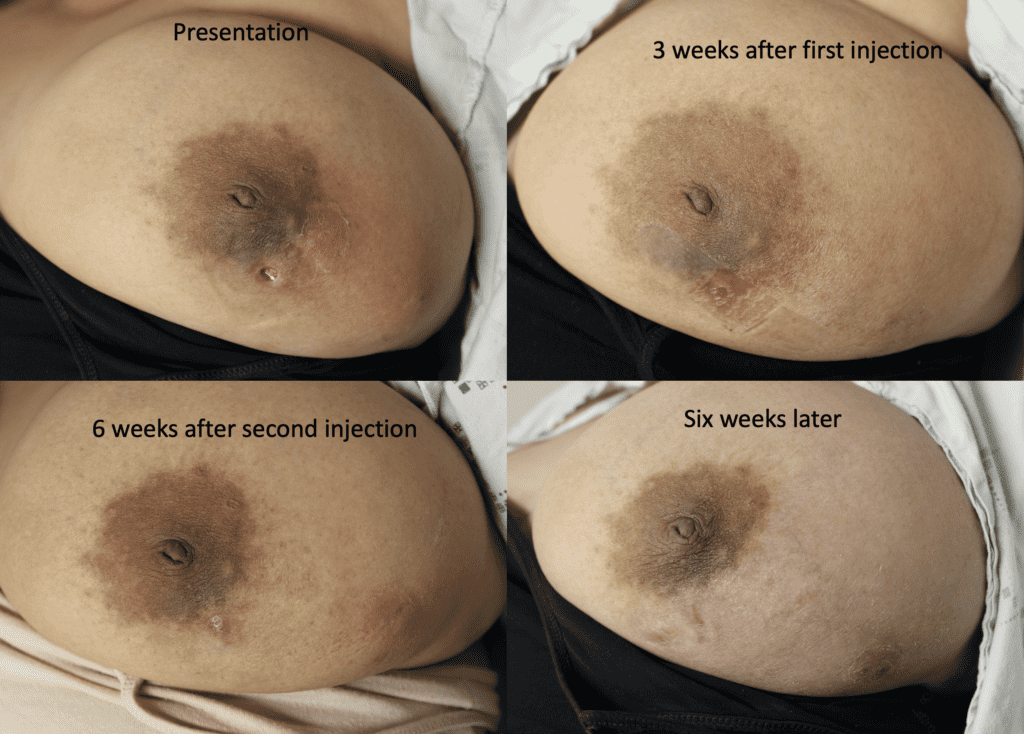
    Above a patient with a history of right breast IGM that was treated only with repeated incisions and drainages and antibiotics and she was left with severe scarring. She presented to the ER with developing symptoms like this on the left breast. Fortunately, she was then referred to breast surgery rather than undergoing an invasive incision and drainage that would have scarred the left breast as well. Photo on right (her left breast) is just prior to initiating azathioprine. She received a steroid injection at this visit to help the symptoms and reduce the wound size, which is shown below.
    active IGM left breast
    IGM healing
    The patient continued to experience decreased pain, swelling, and size of wound just before third injection (above).
    Healed IGM
    Completely healed with no residual pain or mass three weeks later (above). Unfortunately, her right breast started to flare (below) with a new fistula at 3:00 and fluid at 7:00, 8:00, 9:00. Fortunately, we were able to bypass some roadblocks in the system for referral to rheumatology and get her into an urgent appointment to start azathioprine. The patient previously had been hesitant to use oral medication, but recognized at this point it would help.
    Bilateral IGM
    Bilateral IGM now resolved on methotrexate
    Bilateral IGM now resolved on methotrexate.
    Presentation of initial IGM and post treatment
    Presentation of initial IGM and post treatment
    Patient with IGM treated with triamcinolone injection of left breast with continued breastfeeding from right breast.
    Patient with IGM treated with triamcinolone injection of left breast with continued breastfeeding from right breast.
    Left breast IGM
    This patient presented with a nodule near her nipple and then developed swelling near her incision site for the biopsy. This did not flare further until months later and so she did not do any medical management until then.
    Flaring IGM
    The patient experienced significant new life stress and flared several months later. She elected to proceed with steroid injection at this time (above). She continued to flare (above right) in a new area and then started low dose naltrexone with a functional medicine doctor for other concerns. It ended up resolving her IGM as well.
    IGM flaring
    IGM resolved on LDN
    This is more than a year after the patient resolved her IGM. While her raised red areas softened, she unfortunately experienced volume loss at the site of the steroid injection.
    IGM
    This patient came to me with a history of IGM but no active disease. She had been treated with steroid injections in the past, and this is another example of skin thinning after these procedures. Of note, the patient has a nice accessory nipple at the 6:00 position of her breast just above the inframammary fold.
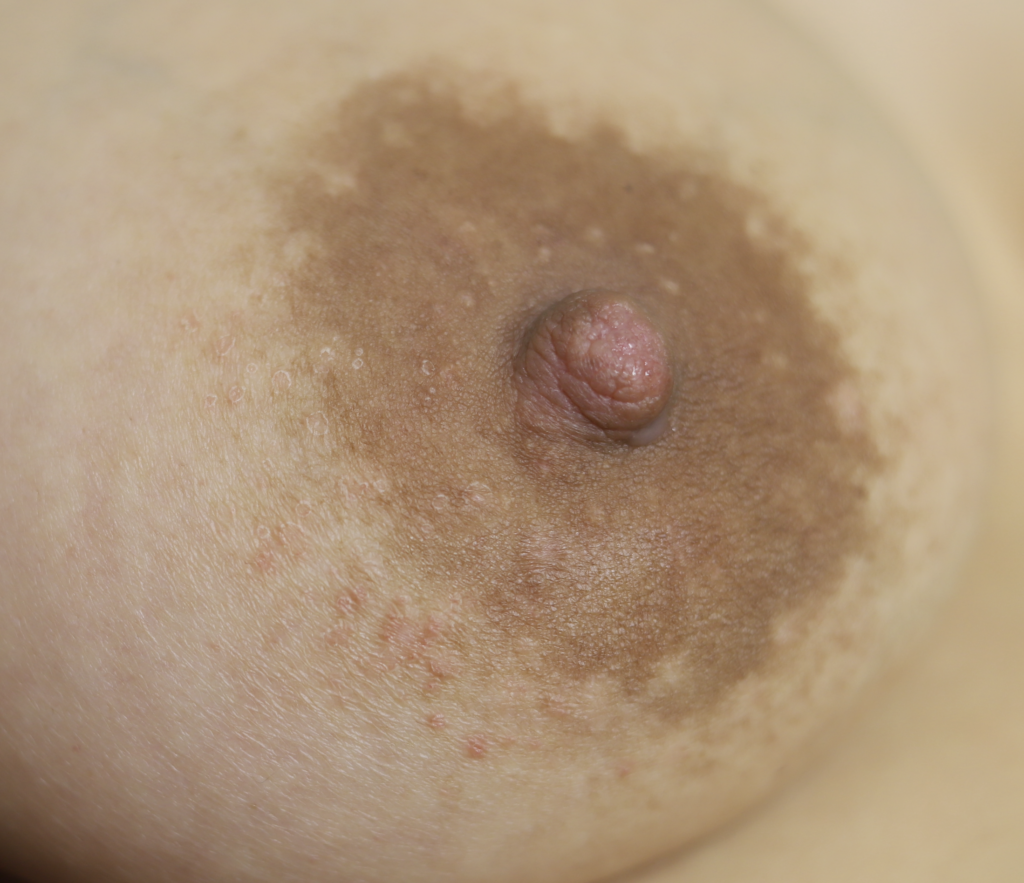
    IGM 41 year old
    41 year old experienced rapidly enlarging right breast mass over the past month then with development of fluid collection just under the skin (above). We injected her breast with steroid and referred to rheumatology for treatment with azathioprine. The steroid did such a good job of controlling her pain and swelling that she elected to hold off on azathioprine initially. However, with the resurgence of a painful mass and fluid collection (right) we repeated steroid injection and she decided to start the oral medication to resolve the disease definitively.
    IGM now flaring
    IGM
    Resolution on azathioprine.
    Right breast IGM resolved on low dose naltrexone.
    Unfortunately, after resolving initially with azathioprine, this patient did flare again in new places when she was under a great deal of stress. She ultimately started low dose naltrexone and resolved her symptoms at 3 mg of LDN. Her breast appearance after flares and then subsequent quiescence is shown here.
    Initial massage damage right breast one month postpartum
    Initial massage damage right breast one month postpartum.
    Skin starting to heal a bit after drainage.
    Skin starting to heal a bit after drainage.
    Skin starting to heal a bit after drainage.
    Skin starting to heal a bit after drainage.
    Biopsy when new skin wounds and drainage appeared, not consistent with lactational abscess.
    IGM postpartum
    The patient then presented for steroid injection and starting low dose naltrexone, which is used in Crohn's disease and other autoimmune conditions to reduce inflammation. There are no studies on it in GM, but two other patients resolved completely on it. She elected to try this in hopes of avoiding immunosuppresion.
    IGM improving after two months low dose naltrexone.
    IGM resolved on low dose naltrexone
    Resolved for three months on 3.0 mg LDN!
    IGM
    GM in a patient 17 weeks pregnant. This started prior to pregnancy and she had been suffering from pain, redness, masses, and fistula for almost a year. We started LDN at 1.5 mg after researching ACOOG statement on naltrexone as well as ReproTox. Although there is limited data on naltrexone use during pregnancy, it is believed to be safe. ACOOG is advocating for full-dose naltrexone use (50 or 100 mg) for addiction disorders. So the patient and I had a risk-benefit discussion and she decided to pursue the very low dose of naltrexone (i.e. even less exposure than the "real" dose of naltrexone). She also was in her second trimester after organogenesis in the first trimester. On our follow-up visit six weeks later, she had completely resolved. She is is from out of town, so I didn't get a follow-up picture at this timepoint, but will take one after baby is born this summer! She said, "I finally feel like I have my life back." LDN has been the biggest game-changer in my practice this past year!
    IGM
    Unfortunately, the patient had a flare at 29 weeks pregnant after new stress in her life. We increased her LDN from 1.5 to 4.5 mg in hopes of settling down the flare. She had increased redness in her right breast as well as a large new painful lump. Her daughter was helping me with the breast exam and making sure her mama was ok 🙂
    IGM
    IGM pregnancy
    Unfortunately this mass progressed into a fluid collection that needed drainage.
    IGM two weeks postpartum
    The periareolar collection from pregnancy resolved but she developed a new collection and mass more laterally by two weeks postpartum. Though any IGM is obviously distressing for patients, this is still the best outcome in terms of severity of flare that I have seen with someone in later pregnancy and early postpartum. LDN is such a leap forward.
    IGM in breastfeeding
    Mom was doing a fantastic job breastfeeding from her unaffected breast, but some travel and stress continued to produce some flares postpartum.
    IGM
    At four months postpartum, her swelling, pain, and drainage had stopped. She continues on LDN and is starting to use silicone sheets to soften the IGM skin scars.
    IGM
    IGM at presentation where we started low dose naltrexone and wound care with mepilex. Also note that she has accessory breast tissue and two accessory nipples (one at 11:00 in the accessory axillary tissue and one at 6:00 just below inframammary fold.
    IGM
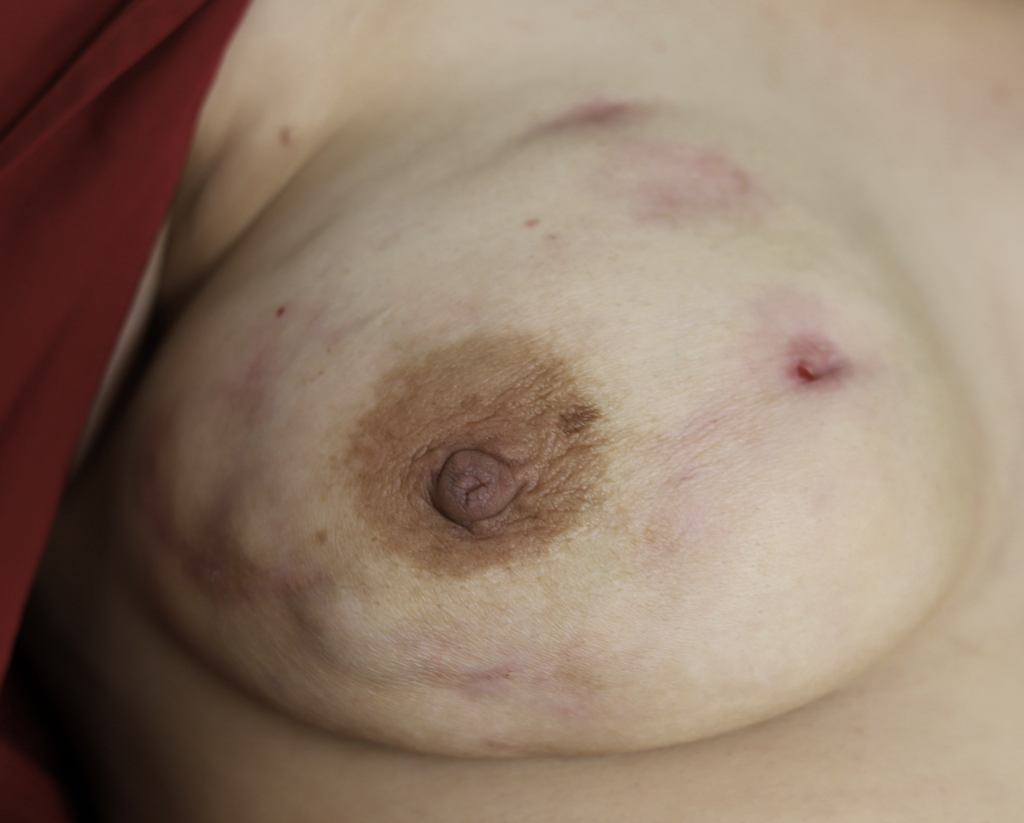
    This patient had been on low dose naltrexone for a few weeks when she called me with worsening symptoms. Though she was on LDN for a very short period of time, she still was the first patient who worsened on LDN rather than improved. Her pain was improved by the LDN, but she had a new fluid collection in the lower inner quadrant of her right breast. I asked what was going on in her life. She had been extremely stressed with the ICE raids in our community and was trying to work with an immigration lawyer in Los Angeles. This obviously explained the flare, and also is an incredibly sad visual representation of structural racism and how it impacts health.
    IGM
    It turned out that while this patient had serious stressors in her life, she also had never started the LDN. So that explains the continued worsening symptoms. This is unfortunately months later with new fluid collections. I'm hoping she is able to start the LDN now.
    IGM
    Initial presentation of IGM that had started two weeks prior with generalized breast redness and a painful mass in the upper outer quadrant of her left breast. The redness and pain and size of the mass calmed down with oral steroids. However, after the core needle biopsy to confirm diagnosis, the patient unfortunately experienced a flare at the site of tissue trauma from the biopsy needle (unfortunately not uncommon -- any trauma to the tissue of a breast with IGM will make it flare worse). Started low dose naltrexone and will follow up in one month.
    IGm
    Settling down after LDN and second steroid taper initiated.
    Presentation of initial IGM and post treatment
    Presentation of initial IGM and post treatment
    Breastfeeding patient who resolved IGM symptoms within two weeks of starting azathioprine and continued breastfeeding from the affected breast without issue.
    Breastfeeding patient who resolved IGM symptoms within two weeks of starting azathioprine and continued breastfeeding from the affected breast without issue.
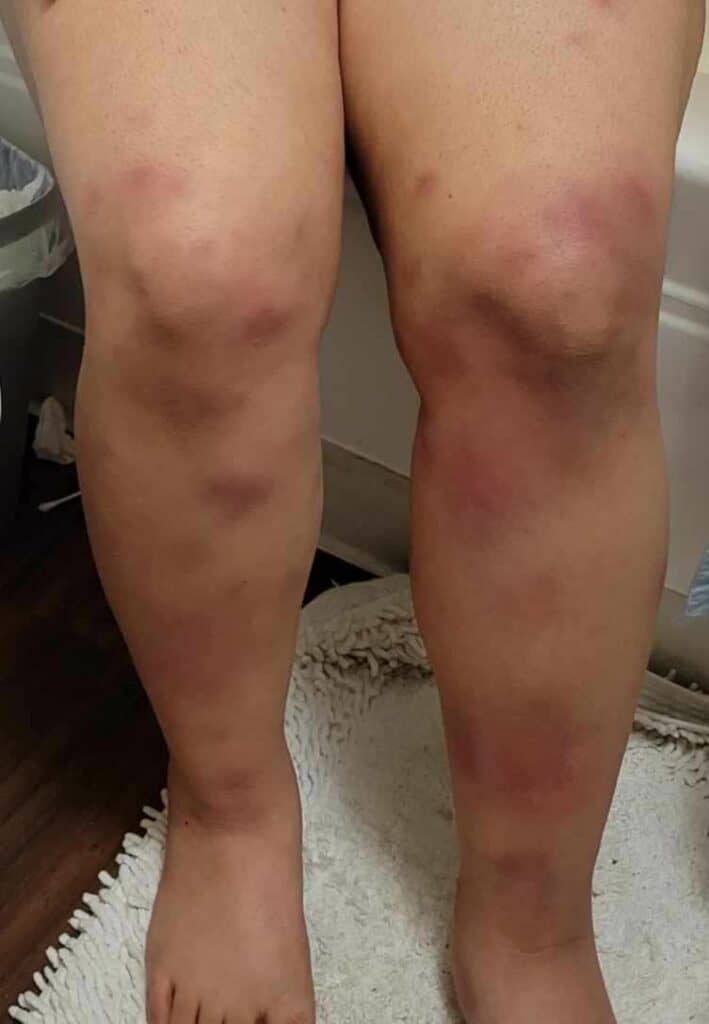
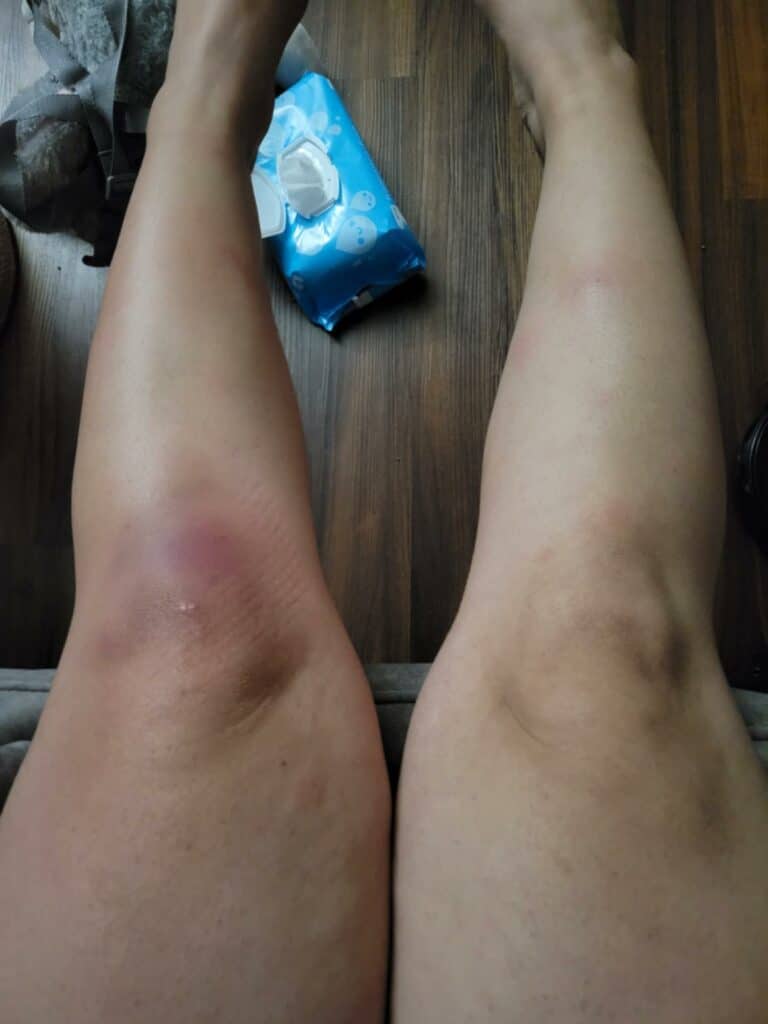
    Erythema nodosum in IGM
    Erythema nodosum (painful, red, inflamed nodules on the front of the calves) may present at the same time as idiopathic granulomatous mastitis (IGM).
    Erythema nodosum in IGM
    IGM left breast 2-22 needs AZA
    IGM in left breast needs AZA
    IGM after azathioprine scaled e1666384746289
    Marked improvement after starting azathioprine
    Igm scars from surgical incision
    This is a patient who unfortunately had a large surgical incision to address the IGM, and she was left with much worse scarring than the patient above whose wounds started to heal nicely after starting azathioprine.
    IGM untreated
    This patient suffered from IGM for 18 months. She underwent repeated incisions and drainages without steroid injections or systemic (oral) therapy with azathioprine or methotrexate. The disease eventually resolved, but she was left with multiple scars.
    IGM in pregnancy presenting as a mass only
    IGM in pregnancy presenting as a large, painful mass.

    While some cases of IGM may resolve from a simple mass, many go on to form fluid collections (above and below) that may drain on their own.  These are mistakingly called “abscesses.”  They are in fact just fluid collections of dead inflammatory cells.  Patients need either local treatment with needle drainage of the fluid (NOT large incisions with packing tape, which make inflammation worse) and steroid injection, or oral steroids/anti-inflammatories/immune suppressants.

    granulomatous mastitis fluid
    granulomatous mastitis fluid
    IGM healing
    Due to pregnancy, this patient declined oral medication. The granulomatous mastitis eventually healed in this region of the breast (above), but then flared the week prior to delivery in a new spot in the upper inner part of the breast (above, right):
    IGM flaring end of pregnancy
    right breast IGM postpartum
    The patient started chemotherapy for a very unfortunate postpartum lymphoma diagnosis and this quieted the IGM, though not entirely.
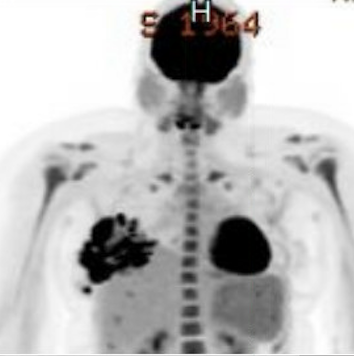
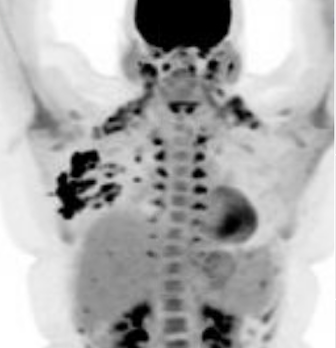
    PET scan postpartum
    The PET scan (performed to evaluate lymphoma) early postpartum showed the remarkable metabolic activity of the lactating breast (above left: left breast lactating, right breast not because of active IGM; the IGM is still so inflammatory that it picks up the PET radiotracer). After the patient completed lymphoma therapy and was not breastfeeding due to chemotherapy (above right), a repeat PET scan showed no activity in the previously active, lactating left breast as well as residual inflammation in the right breast
    IGM 3 months postpartum weaned
    IGM at presentation in a 44 year old patient.
    IGM at presentation in a 44 year old patient.
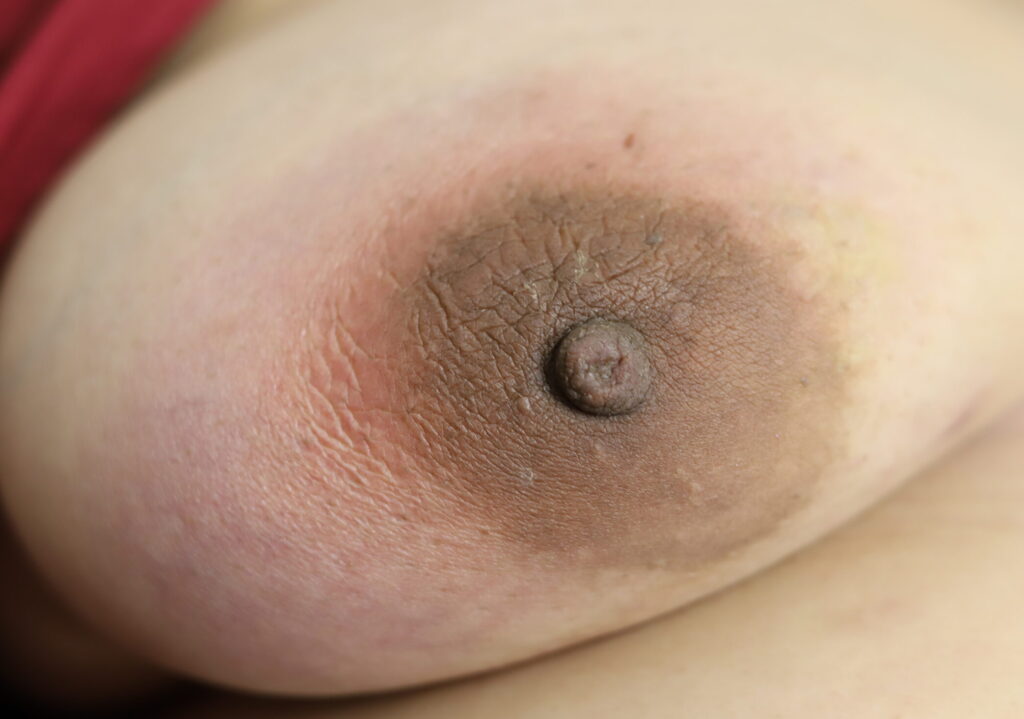
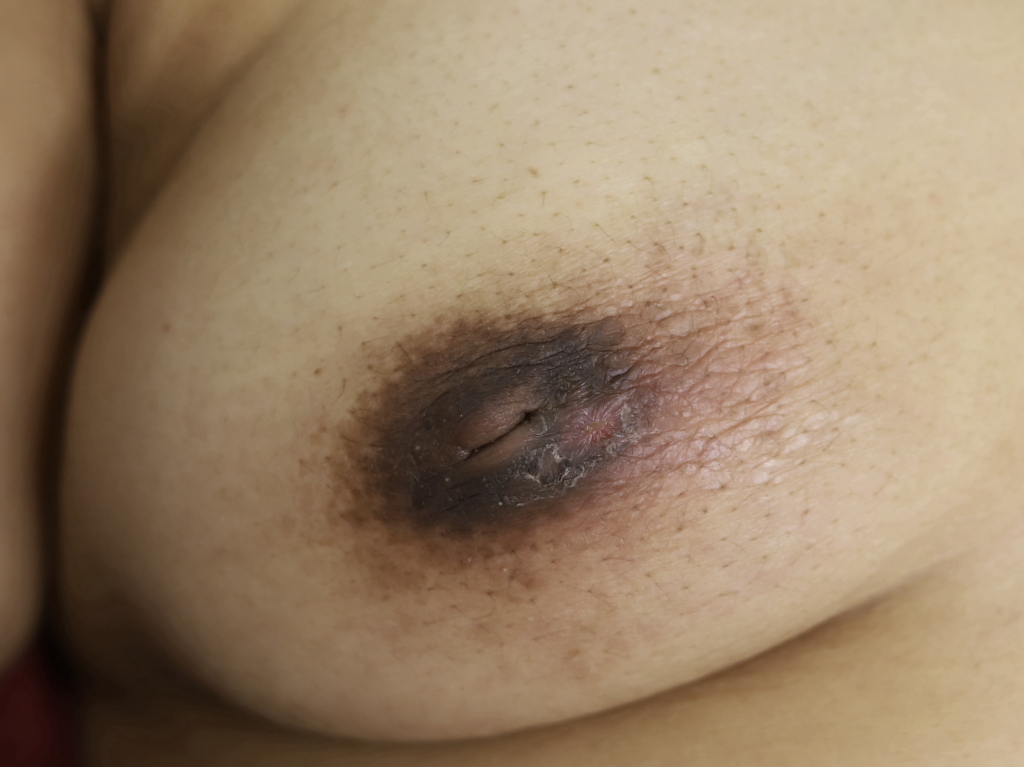
    Classic appearance of retracted nipple compared to the left breast.
    Classic appearance of retracted nipple compared to the left breast. Note that this nipple retraction is part of the entire presentation of IGM with associated redness, masses, fluid collection, and fistulae.
    The patient elected to have no interventions and this was the appearance of the breast one year later.
    The patient elected to have no interventions and this was the appearance of the breast one year later.
    bilateral granulomatous mastitis
    Bilateral granulomatous mastitis, now flaring on the left breast and presenting to breast surgery and rheumatology for treatment.
    Screenshot 2023 09 12 at 6.09.04 PM
    Early presentation of IGM before flaring (referred within a month of symptoms).
    Granulomatous mastitis
    Bilateral granulomatous mastitis.
    IGM
    Bilateral IGM (above) flaring with right breast superficial fluid collection (inferior to areola from 4-8:00 position).
    IGm resolved low dose naltrexone
    IGM resolved redness, pain, swelling, and fluid collection after one month of 3.0 mg LDN.
    IGM
    IGM initially responding to steroid injection.
    Screenshot 2023 09 12 at 6.09.30 PM
    This patient previously had resolved symptoms with steroid injection alone, but then started to flare (above) and later elected to begin low dose naltrexone when she remained hesitant about methotrexate.
    Low dose naltrexone and IGM
    After a month of low dose naltrexone, the previously problematic area at 11:00 significantly improved in pain and no longer had a fluid collection. She did develop a small fluid collection in the 2:00 position, which we drained and increased her LDN to 3.0 mg from 1.5 mg.
    IGM
    Continued improvement after one month of 3.0 mg LDN.
    Screenshot 2024 07 24 at 1.59.32 PM
    IGM at presentation.
    left breast IGM flaring without treatment
    Left breast IGM flaring without treatment. Starting low dose naltrexone.
    resolution IGM naltrexone
    Near resolution of IGM after one month 1.5 mg LDN.
    IGM resolved on low dose naltrexone
    Follow up at one month off of LDN, still resolved.

    Fibroadenoma

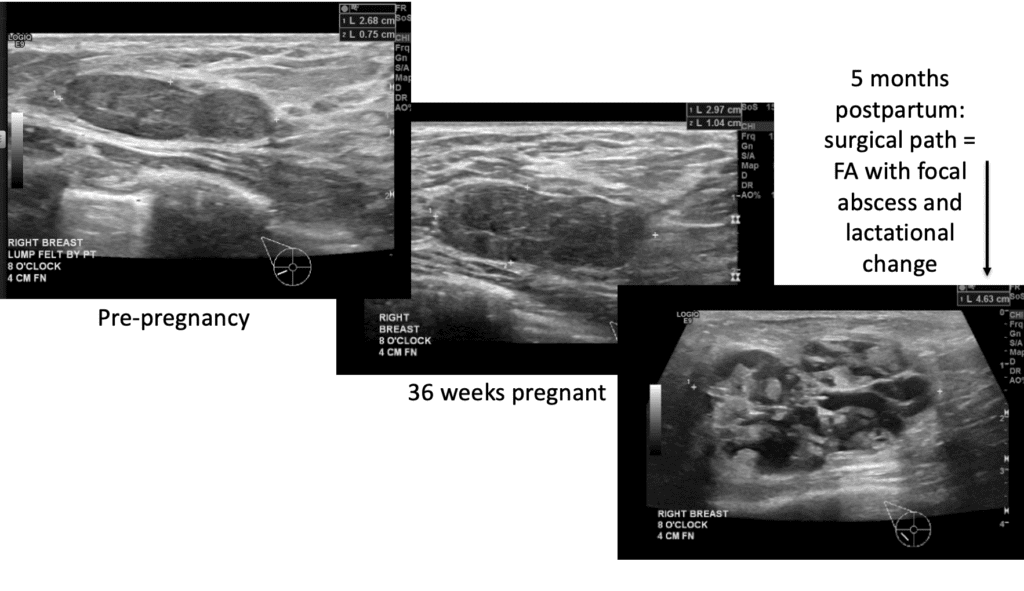
    Fibroadenomas are the most common benign (non-cancerous) growth of the breast. Fibroadenomas grow during pregnancy and lactation, and can significantly change appearance on ultrasound. Therefore, biopsy to confirm diagnosis prior to pregnancy is very important. If the lesion is not able to be confirmed fibroadenoma and is designated a non-specific fibroepithelial lesion, the patient should undergo excision to determine whether the lesion is a fibroadenoma or a phyllodes tumor (which can grow more rapidly and may not always be benign).

    Fibroadenoma that developed complex appearance during lactation and was excised.
    Fibroadenoma that developed complex appearance during lactation and was excised.
    Breast image 5 months postpartum: surgical path = FA with focal abscess and lactational change
    Images showing changes of fibroadenoma prior to pregnancy, during pregnancy, and during lactation.
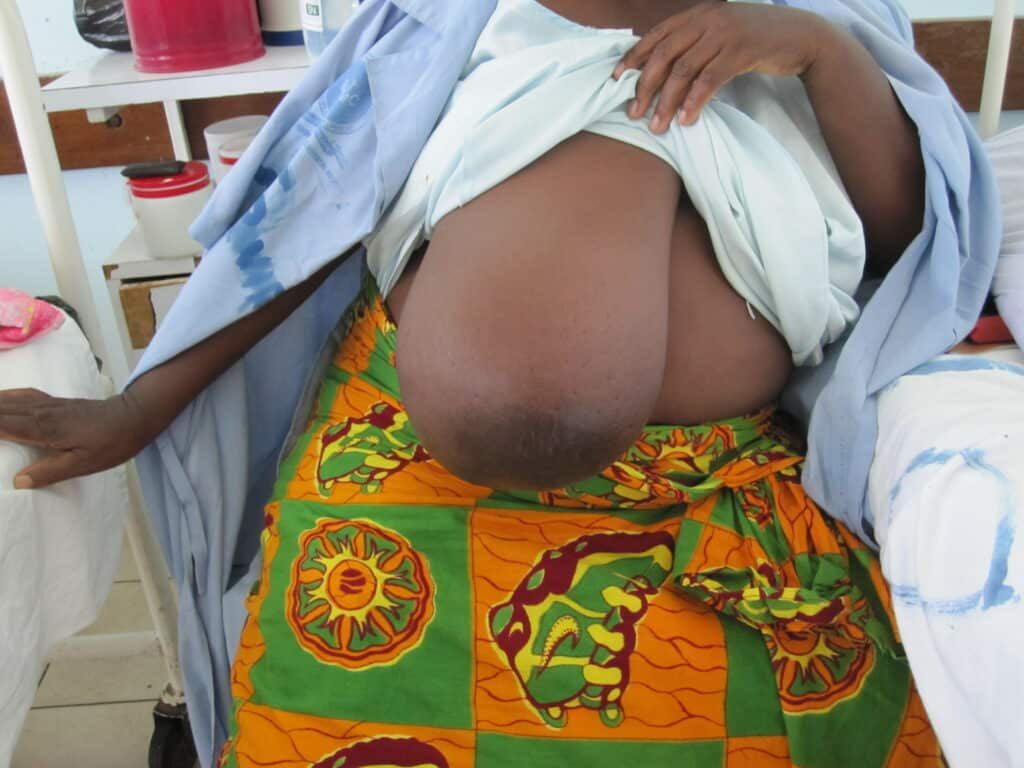
    Large phyllodes tumor distorting the right breast
    Phyllodes tumors that are malignant (cancerous) can grow extremely rapidly and can distort the size of the breast considerably.
    Right breast phyllodes tumor Tanzania
    Right breast phyllodes tumor with rapid growth.

    The video below demonstrates removal of a phyllodes lesion during lactation.  There are several things to learn from this video:

    • Breast imaging, breast biopsy, and breast surgery are safe during pregnancy and lactation. In fact, it would have been more ideal to remove this mass during pregnancy (before it grew and to rule out anything worrisome like a malignant phyllodes tumor).  It also is far easier to operate without complication on a pregnant, rather than lactating, breast.
    • In retrospect, this patient would have benefitted from a drain post-operatively rather than repeated aspirations.
    • Breastmilk is under autocrine (local – i.e. the breasts function independently) control after two weeks postpartum (the first two weeks are endocrine, or central control).  This means you can upregulate and downregulate the breasts independently.
    • It is very important to treat hyperlactation (overproduction of breastmilk) in general, as well is when it is present when a patient requires surgery.

    Hamartoma

    Hamartoma is another benign (non-cancerous) mass in the breast that is not common but can present in the breastfeeding population. Like fibroadenomas, hamartomas can grow during pregnancy and lactation.

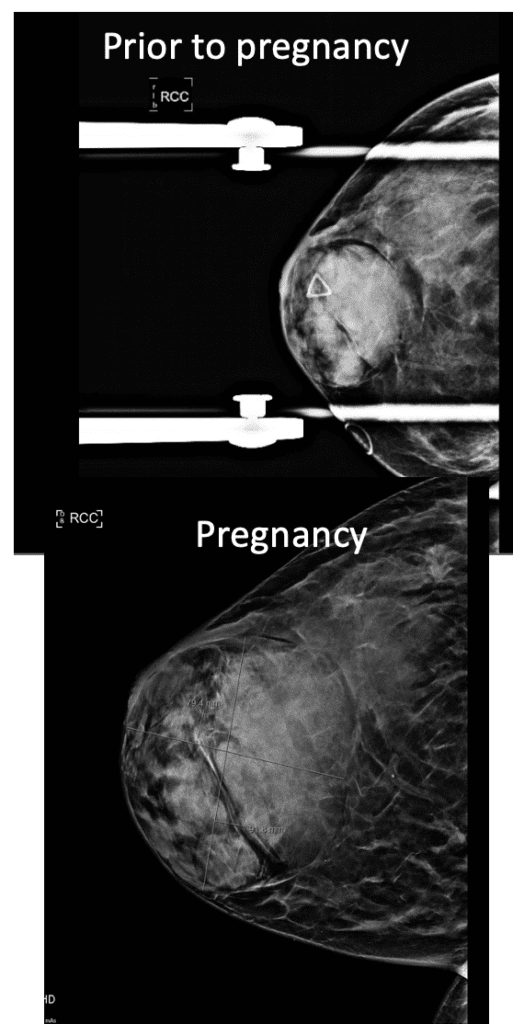
    Breast images of hamartoma prior to pregnancy and during pregnancy.
    Breast images of hamartoma prior to pregnancy and during pregnancy.
    Right breast hamartoma during lactation.
    Right breast hamartoma during lactation.
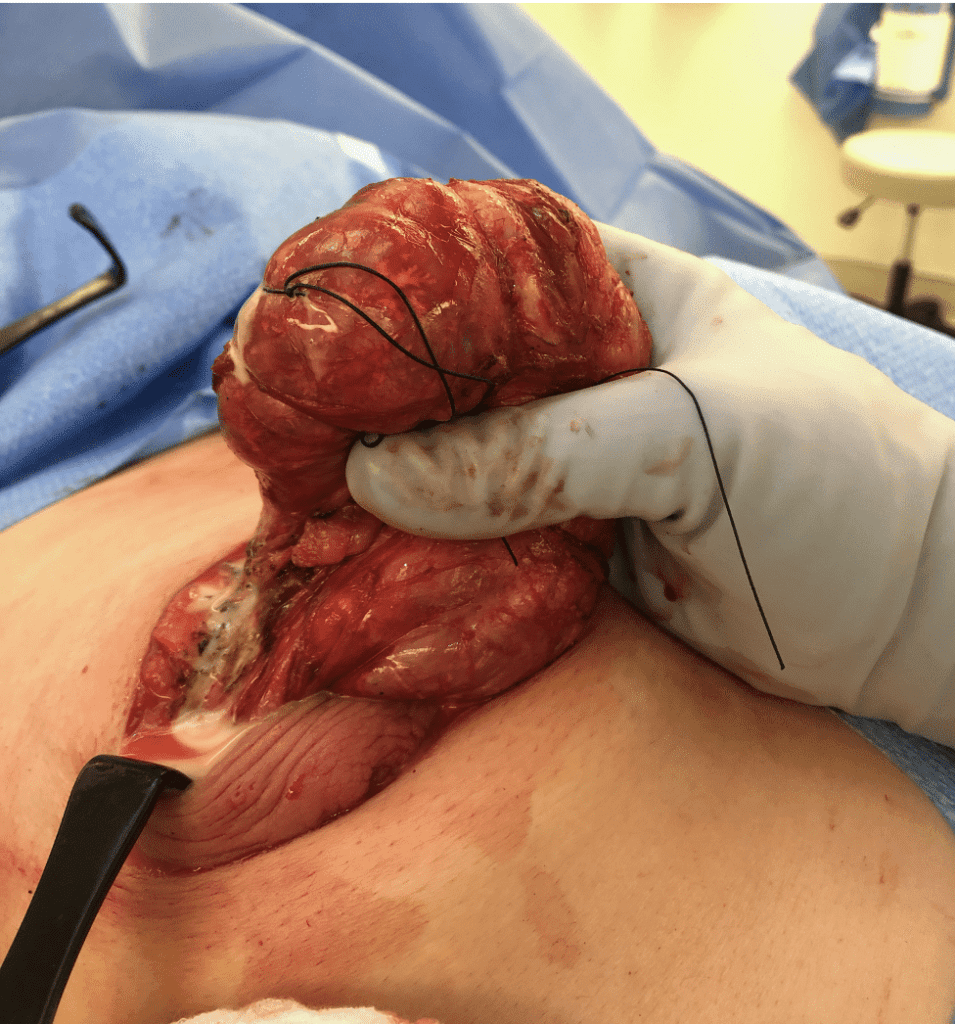
    Excision of hamartoma at one year postpartum during lactation.
    Excision of hamartoma at one year postpartum during lactation.
    Milk was found throughout hamartoma lesion in pathology lab.
    Milk was found throughout hamartoma lesion in pathology lab.
    Postoperative appearance with excellent healing. Left breast was being primarily used to feed infant and therefore was expected to remain larger in size.
    Postoperative appearance with excellent healing. Left breast was being primarily used to feed infant and therefore was expected to remain larger in size.

    Dermatitis (Eczema)

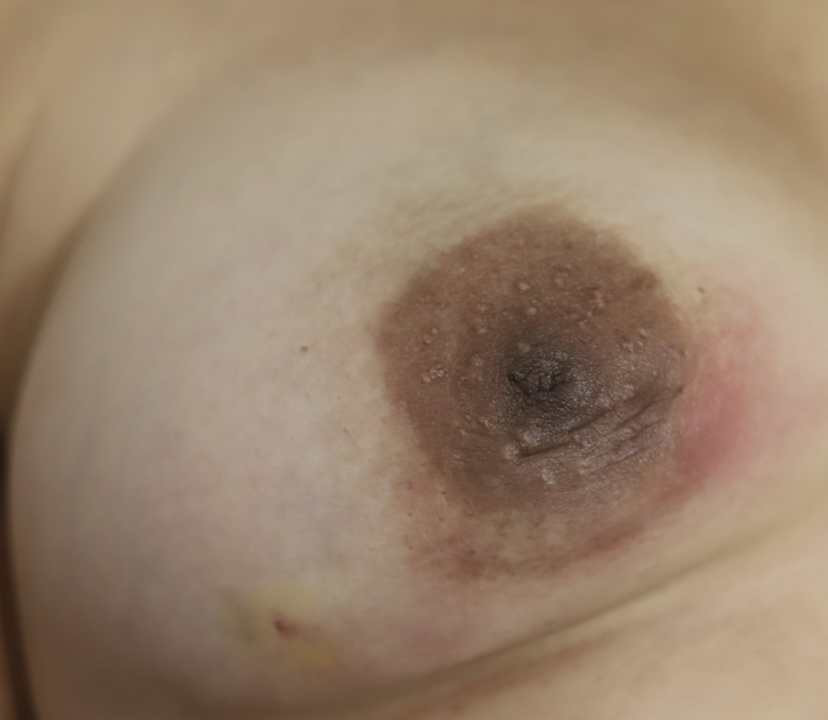
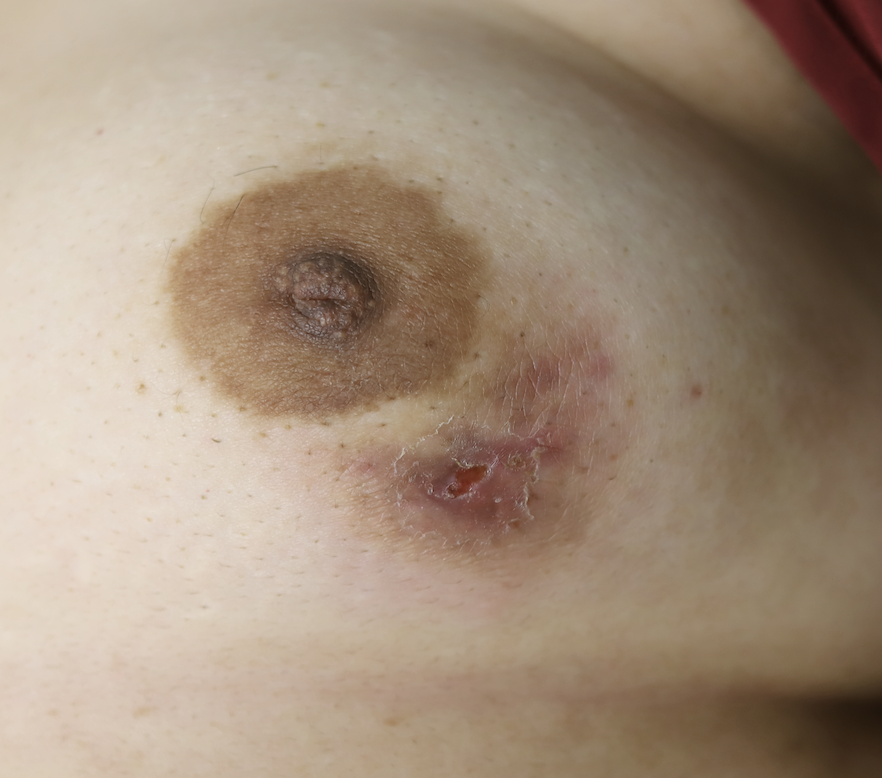
    Breast dermatitis may occur in the setting of lactation and may be related to underlying predisposition to eczema and/or reaction to new allergens a mother is exposed to through breastfeeding products and/or her infant.  Breast dermatitis management follows the principles of NAC dermatitis management as outlined in the Nipple Complications section.  Patients should remove allergens and use a prescription steroid crème such as 0.1% triamcinolone for a short period of time to resolve symptoms.

    Mother treated with anti-fungals before presenting for evaluation to physician. Circle outlines where her toddler was touching her with his hand after climbing in a tree that she was allergic to.
    Mother treated with anti-fungals before presenting for evaluation to physician. Circle outlines where her toddler was touching her with his hand after climbing in a tree that she was allergic to.
    Dermatitis nursing pad allergy
    Allergy to nursing pad (red, raised spots and flaking outside and on areola).
    Nursing Pad Dermatitis
    Nursing Pad Dermatitis
    Patient with dermatitis treated without relief from anti-fungal therapy
    Nursing bra dermatitis
    dermatitis from chloraprep
    Dermatitis from Chloraprep used in the OR.
    dermatitis from chloraprep

    Mondor's Disease

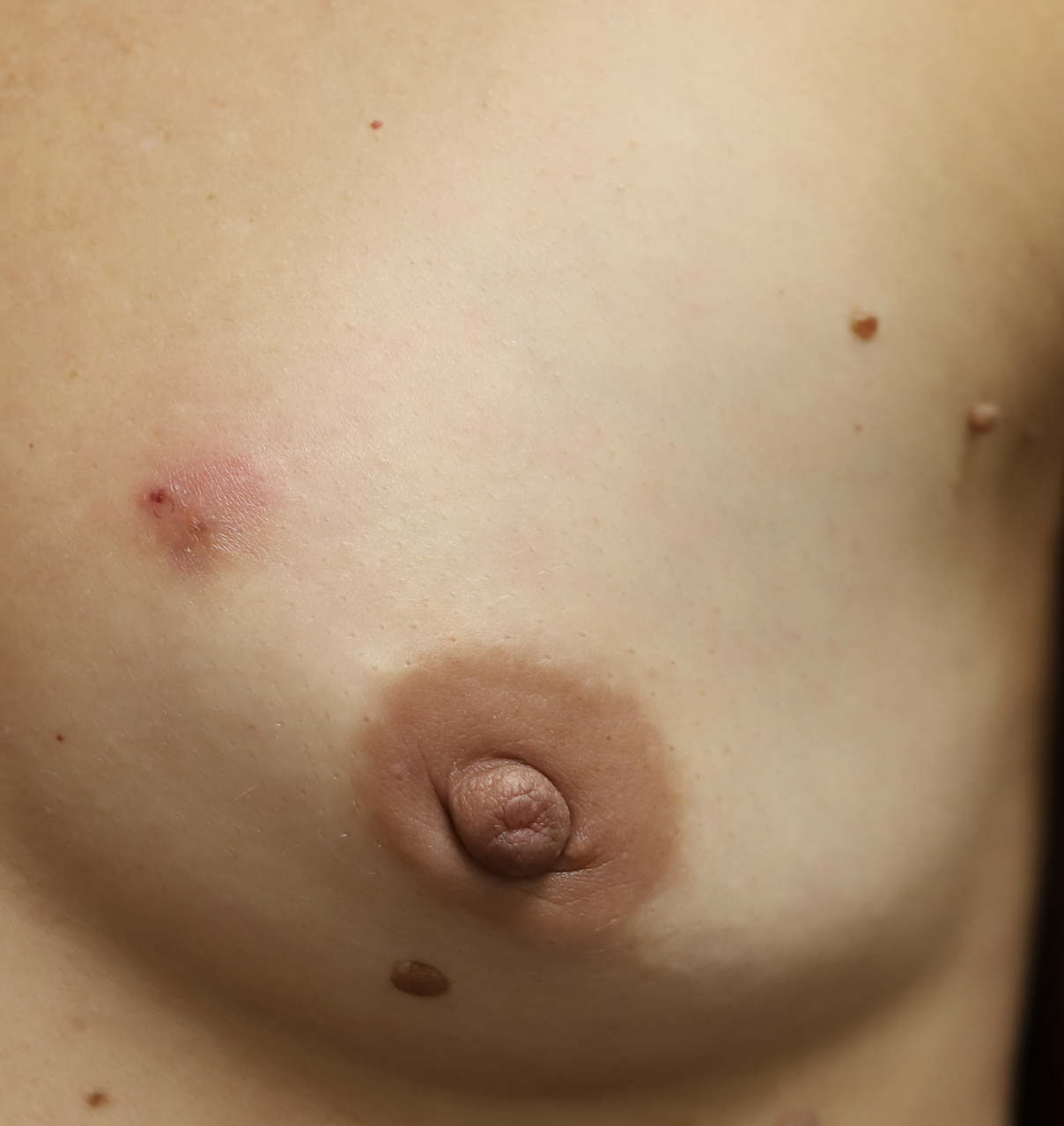
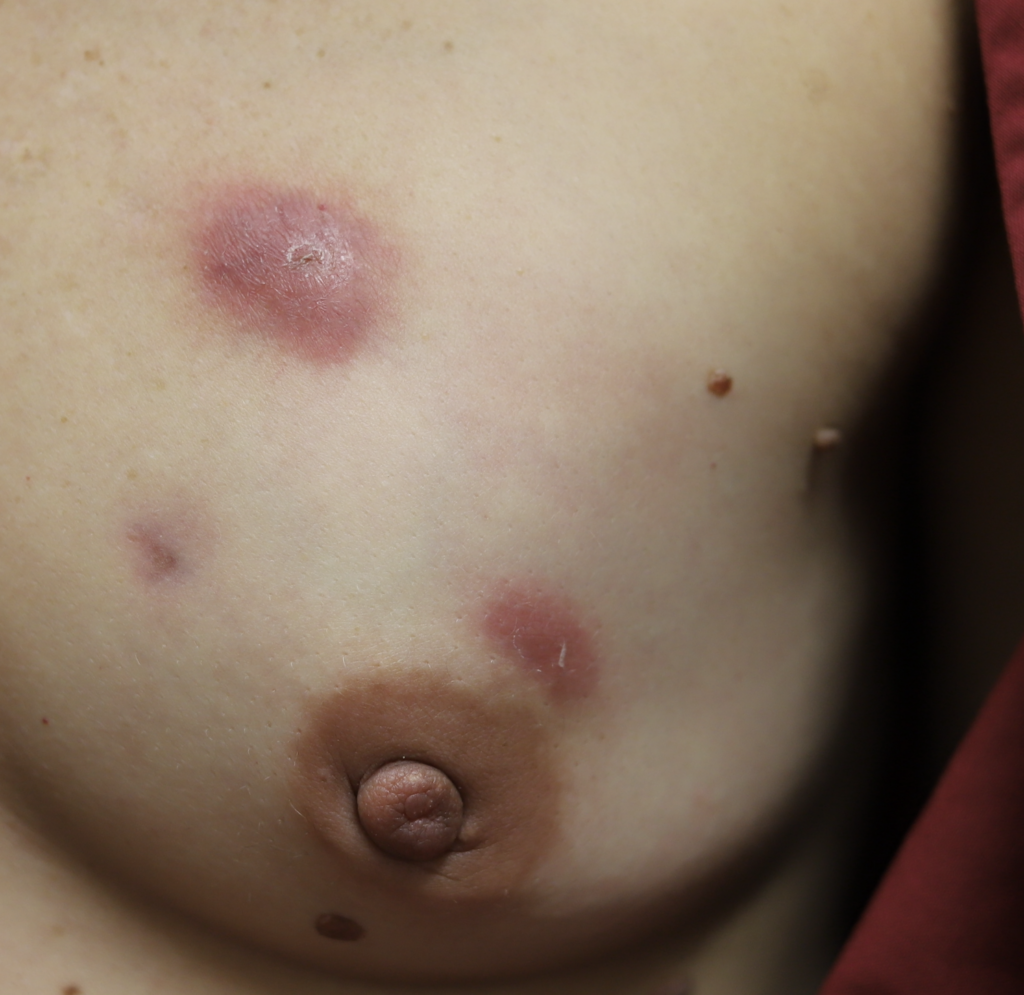
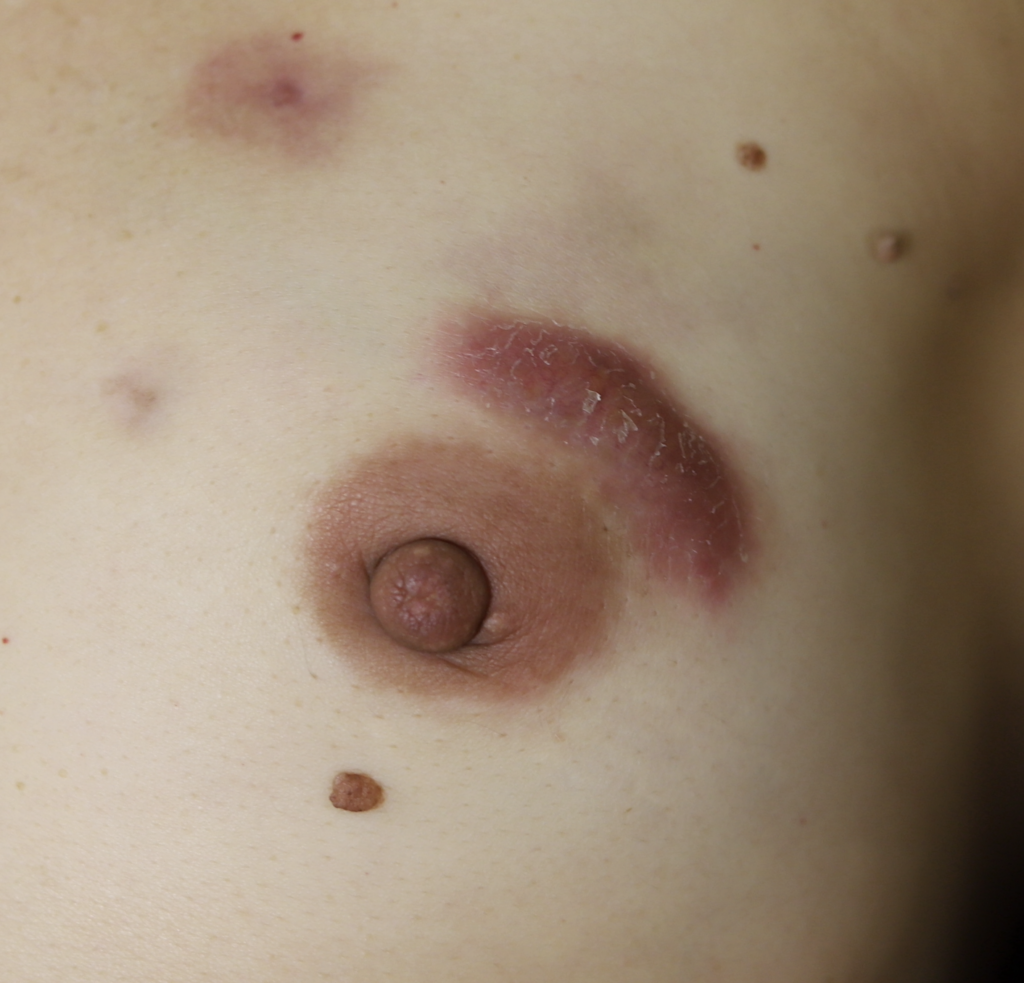
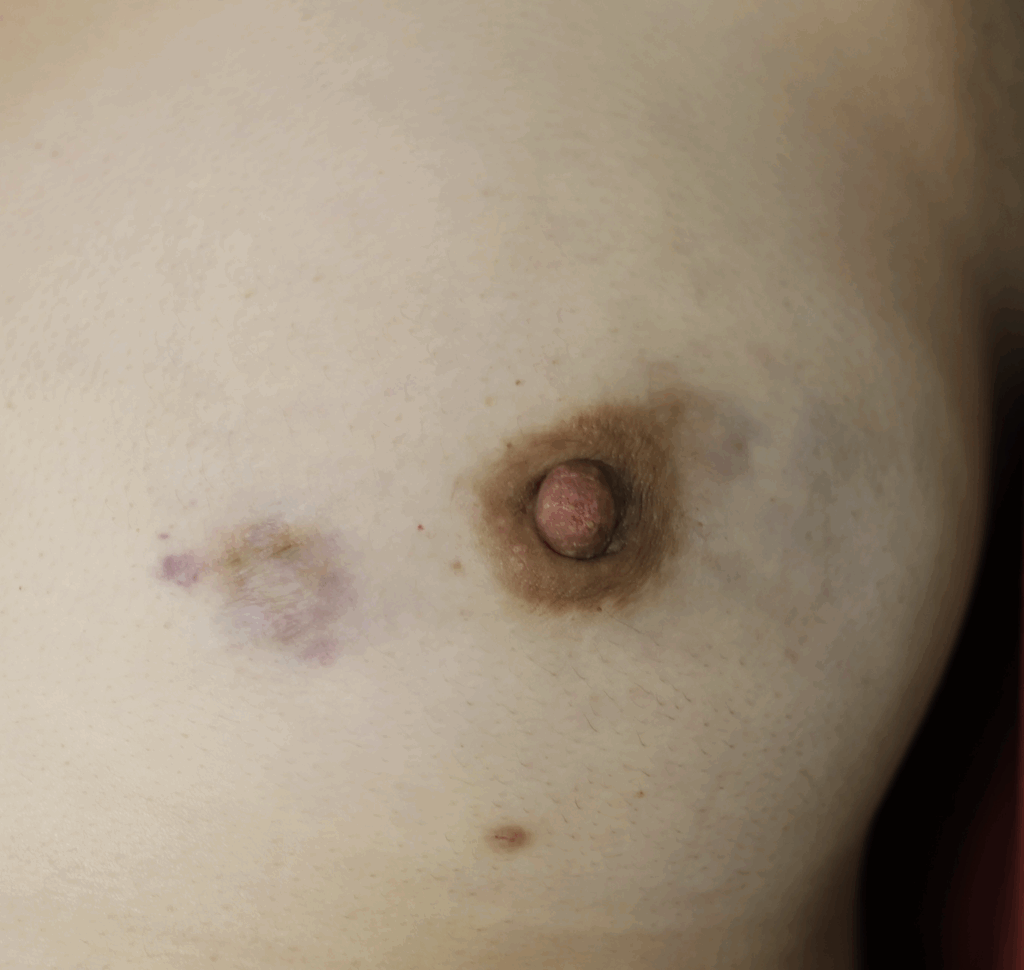
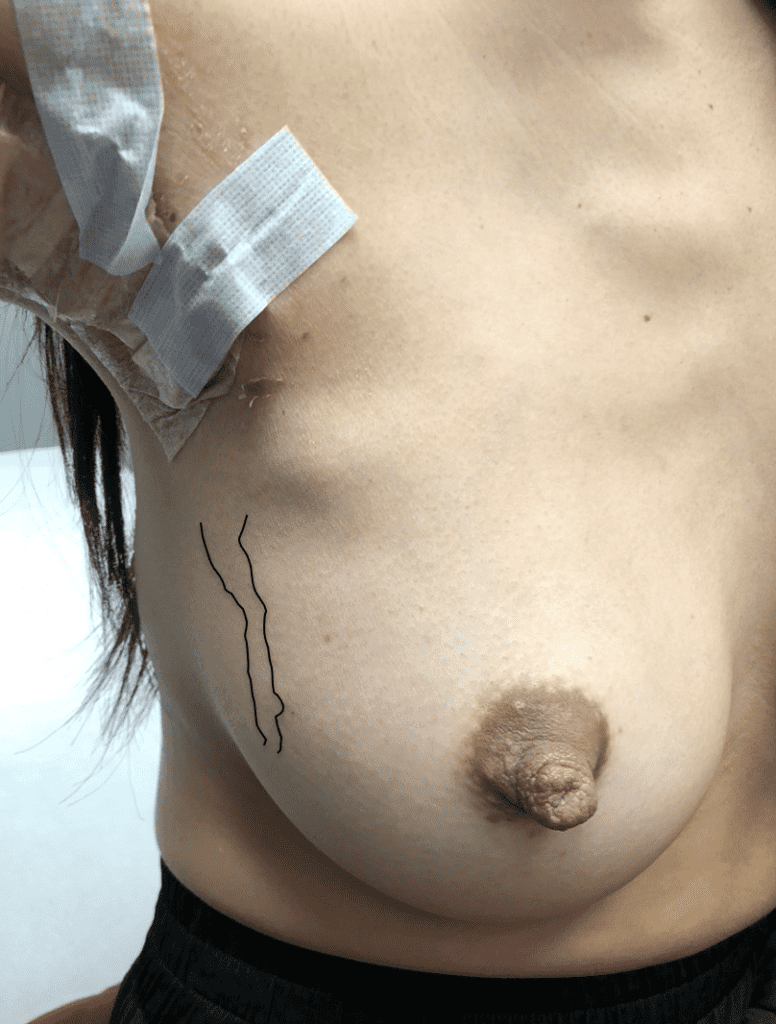
    Patient who underwent excision of mole under arm during lactation and who subsequently developed Mondor’s disease in the upper outer quadrant of her right breast. A mass of venous thrombosis is visualized just below the tape from her incision and a more subtle thrombosis was appreciated below this (outlined in black). She resolved with Advil, warm compresses, and therapeutic ultrasound.
    Patient who underwent excision of mole under arm during lactation and who subsequently developed Mondor’s disease in the upper outer quadrant of her right breast. A mass of venous thrombosis is visualized just below the tape from her incision and a more subtle thrombosis was appreciated below this (outlined in black). She resolved with Advil, warm compresses, and therapeutic ultrasound.

    Superficial thrombophlebitis (inflammation of veins) of the chest wall veins is termed Mondor’s disease.  The affected vessel, most often along the side of the breast closest to the arm, assumes the appearance of a tender, red “cord”.  This condition self-resolves in several weeks and may be treated symptomatically with anti-inflammatory medication, moist heat, ice, and therapeutic ultrasound. 

    Mondor's disease thrombophlebitis
    This patient unfortunately caused trauma to her left breast with pumping (bruising marks the initial spot of repeated trauma with thumb) that led to development of superficial thrombophlebitis (Mondor's Disease). If you look closely, you can see some ridging in a line (really more of a palpation finding than visual) occuring within the visible venous system. She was sent to me for "plugs" but ultrasound showed the inflamed vein just underneath the skin extending to area of bruising from flange on areola. A needle confirmed blood and not milk. She is lucky she didn't massage her breast and develop an abscess, but this is a good example of how delicate the breast (and blood vessels) are. The treatment for this condition (anywhere in the body, such as at an IV site) is moist heat and NSAID (like ibuprofen). It resolves quickly with this.
    thrombophlebitiis
    Corresponding ultrasound of thrombophlebitis (Mondor's Disease).

    Complete Topic List

    Go With The Flo, The Definitive, No-Nonsense, Physician's Guide to Breastfeeding Book Mockup

    Go With the Flow

    August 18, 2026