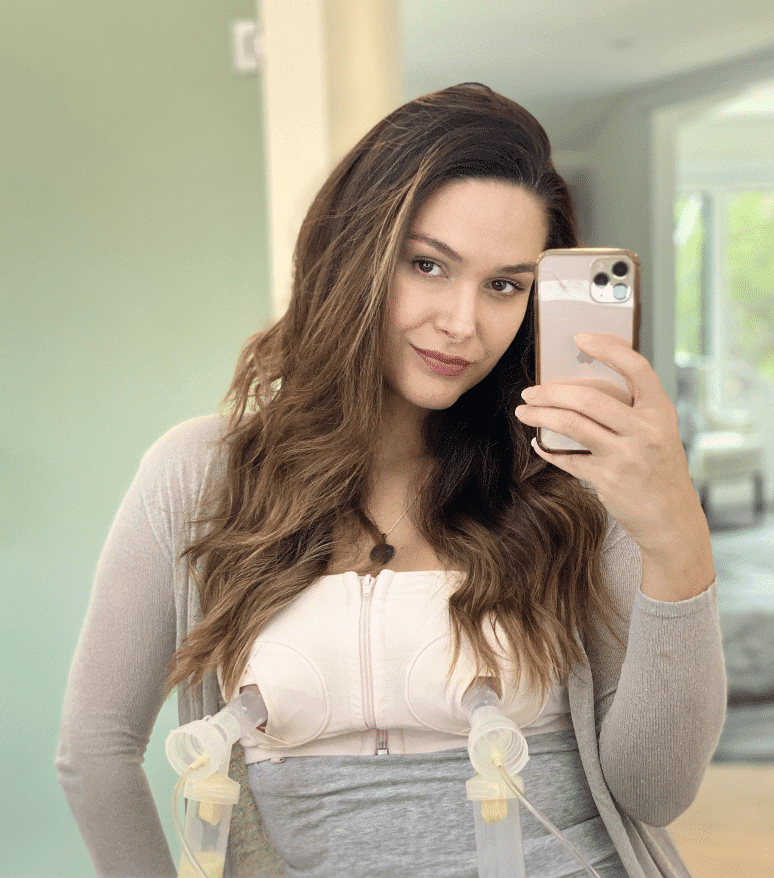
Pump technology is incredible in many ways: it allows babies in the neonatology intensive care unit to receive life-saving breastmilk; it allows moms to provide breastmilk who otherwise are not able to directly breastfeed; and, it allows moms to go back to work or otherwise be separated from their children and continue breastfeeding.
That said, pumping is a risk factor for lumpy breasts and mastitis because it is mechanical and alters the breastmilk microbiome, resulting in the overgrowth of unhealthy bacteria. When moms feel a lump or early symptoms of mastitis, they may be recommended to pump to relieve the lump. This, unfortunately, worsens the lumpy breasts because pumping stimulates milk production without physiologically removing milk in the way that infants do, in quantities that they need.
If the baby is not able to directly nurse at the breast, mothers should attempt to hand express rather than pump. If no milk is expressible, then rest the breast. The production of the breast will decrease (which is what we want during times of congestion), but can be recovered later.
It is a myth without physiologic evidence that “milk stasis” causes mastitis. In fact, mastitis is caused by a multitude of complex factors such as hyperlactation (oversupply). The breast is a gland with feedback inhibition (decreased removal of milk means decreased production of milk), and not a repository like a urinary bladder.

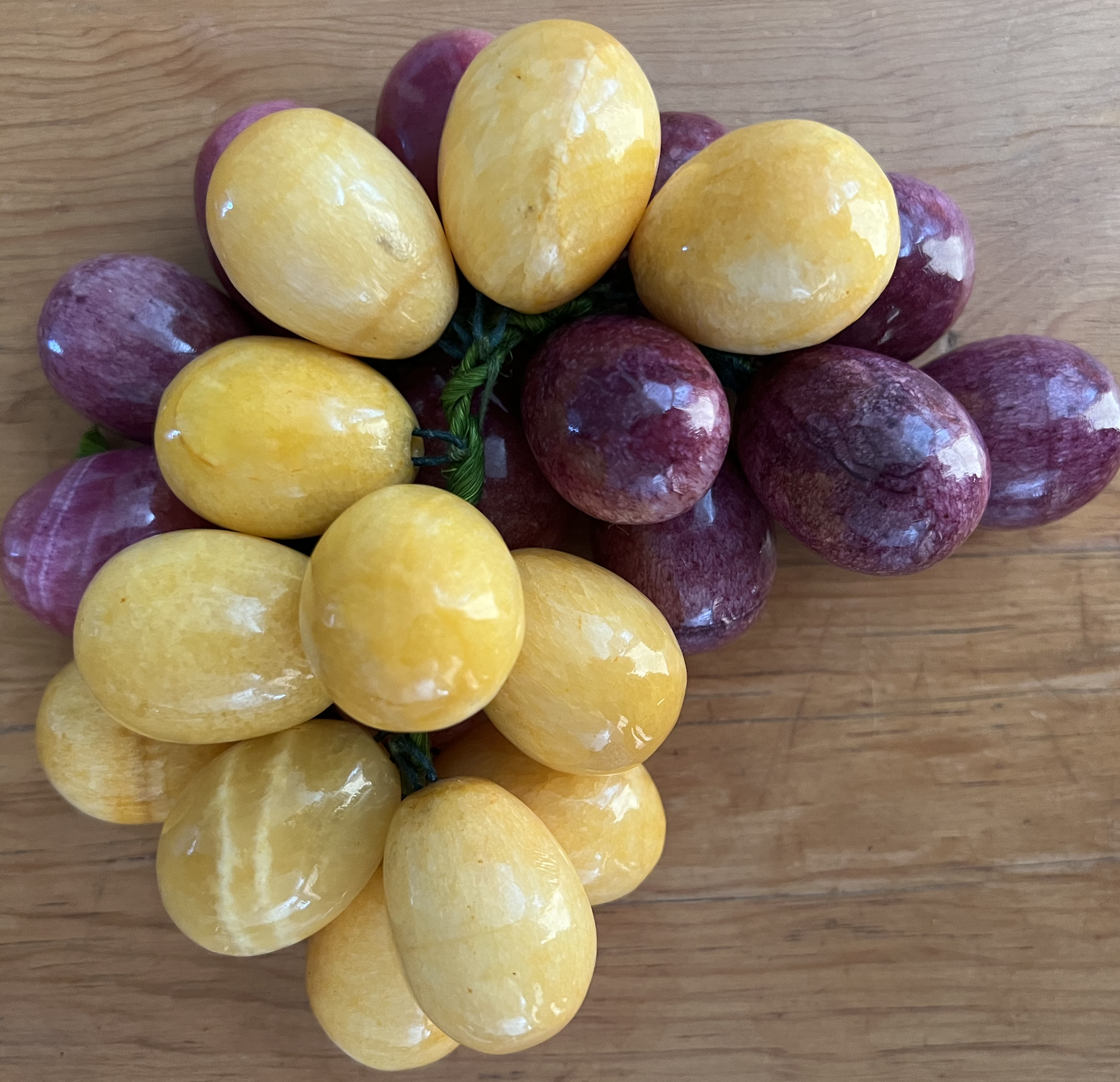
Another example I have in my exam room are these grapes from Mexico. When someone is feeling a “plug” — i.e. just FULL, lumpy breast tissue (you only have a tablespoon or two of milk in the DUCTS at any point, but you get very full alveolar — grapes — clusters), they need to decrease blood flow to make these grapes shrink up:
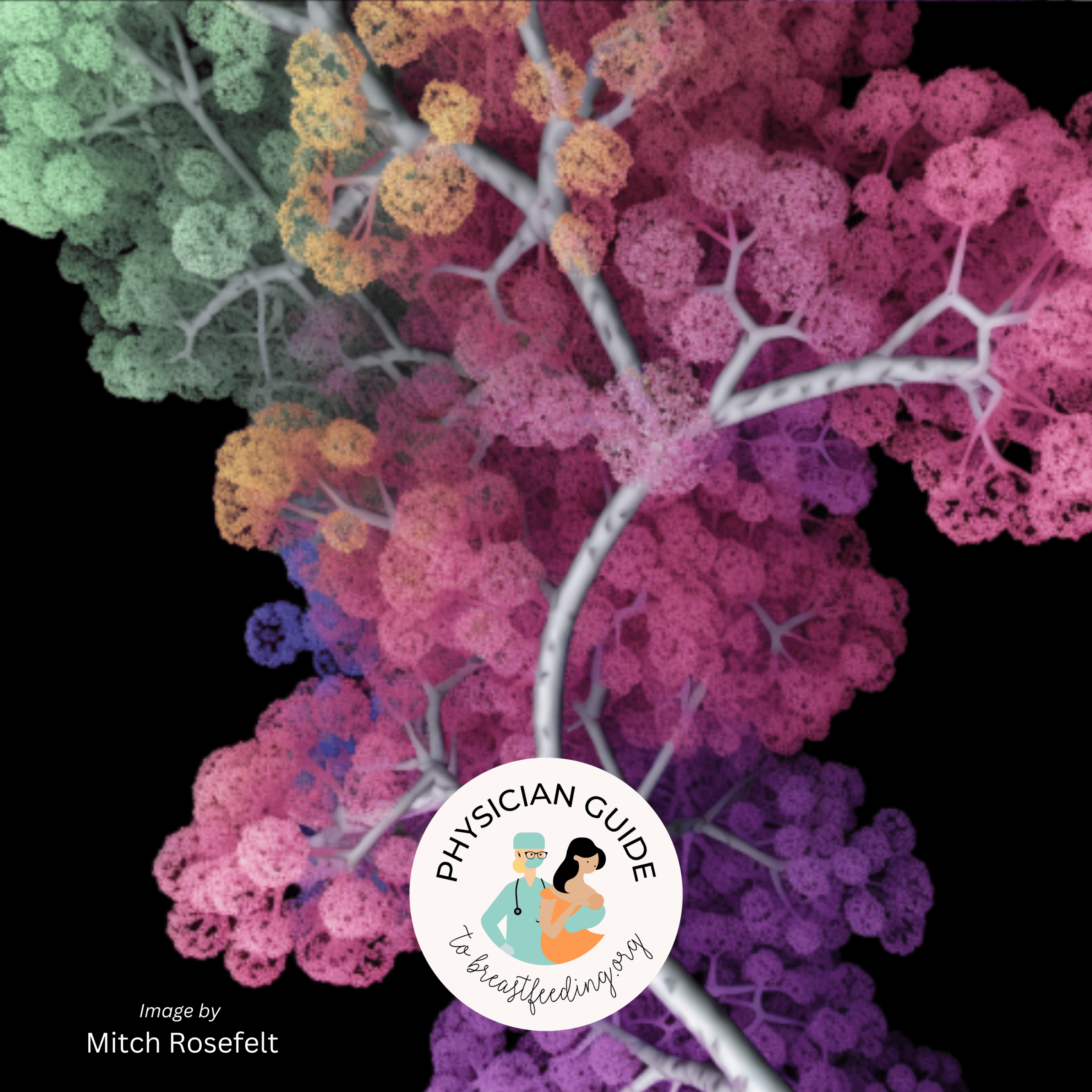
Another example is a photo I have in my exam room of the fluffy, grape-like alveolar cells as seen on a microscopic level:
Engorgement can cause extreme breast pain, sweating, fever/chills as it is an inflammatory process in a body organ with robust blood supply. The breast also can appear red after a night of an infant sleeping a long stretch, as this represents blood flow congestion rather than infectious mastitis. It takes much longer to develop into an infection than 12 hours. Many other conditions in the body cause fever, chills, and pain in absence of infection. This includes Systemic inflammatory response (SIRS), blood clots, and pancreatitis.
BAIT (Breast rest – no massage/no overfeeding, Advil, Ice, and Tylenol) as well as lymphatic drainage or therapeutic ultrasound can help relieve the engorgement. Hand expression or small volume milk removal with an hand-held pump can cause temporary relief. Do NOT pump to “empty” the breast as this simply tells the breast to make more milk, upregulate blood supply, and worsens the engorgement cycle.